A landmark exhibition of Korean art spanning two millennia is opening at the Art Institute of Chicago, showcasing masterpieces once held in the private collection of Samsung chairman Lee Kun-hee.
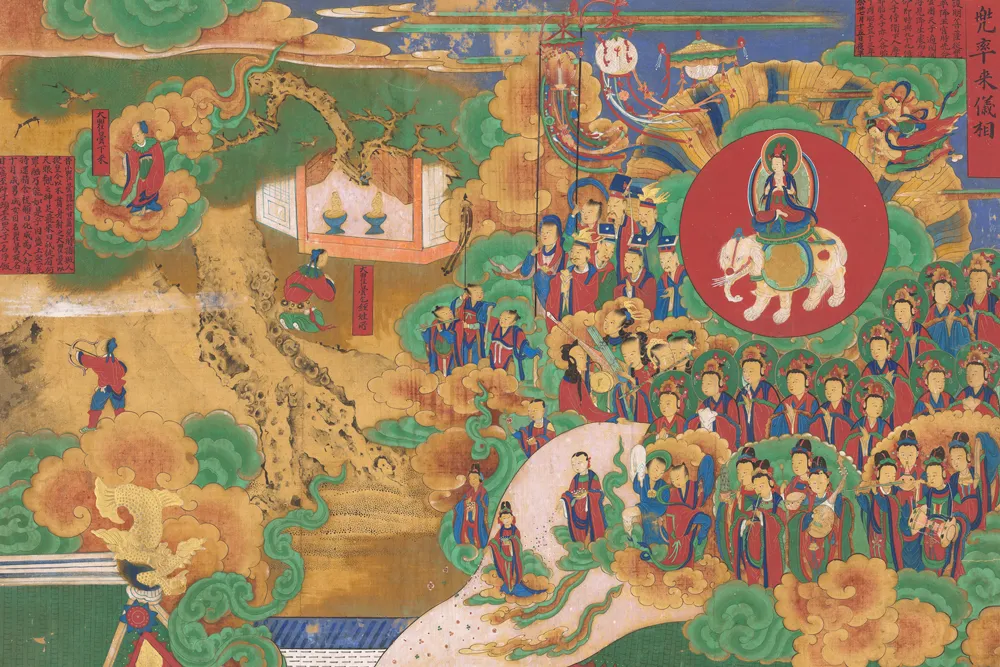
Running from 7 March to 5 July 2026, Korean National Treasures: 2,000 Years of Art brings together 140 works, including Buddhist sculptures, Joseon dynasty paintings and rare porcelain. Twenty‑two of the pieces are officially recognised as National Treasures by the Korean government.
The collection originates from Lee Kun-hee’s vast holdings, built up during his lifetime and valued at billions. Following his death in 2020, his family donated more than 23,000 objects to the South Korean state in 2021 to help settle inheritance taxes. The gift, described as the most comprehensive private collection of Korean art ever assembled, has since been digitised and partially loaned abroad.
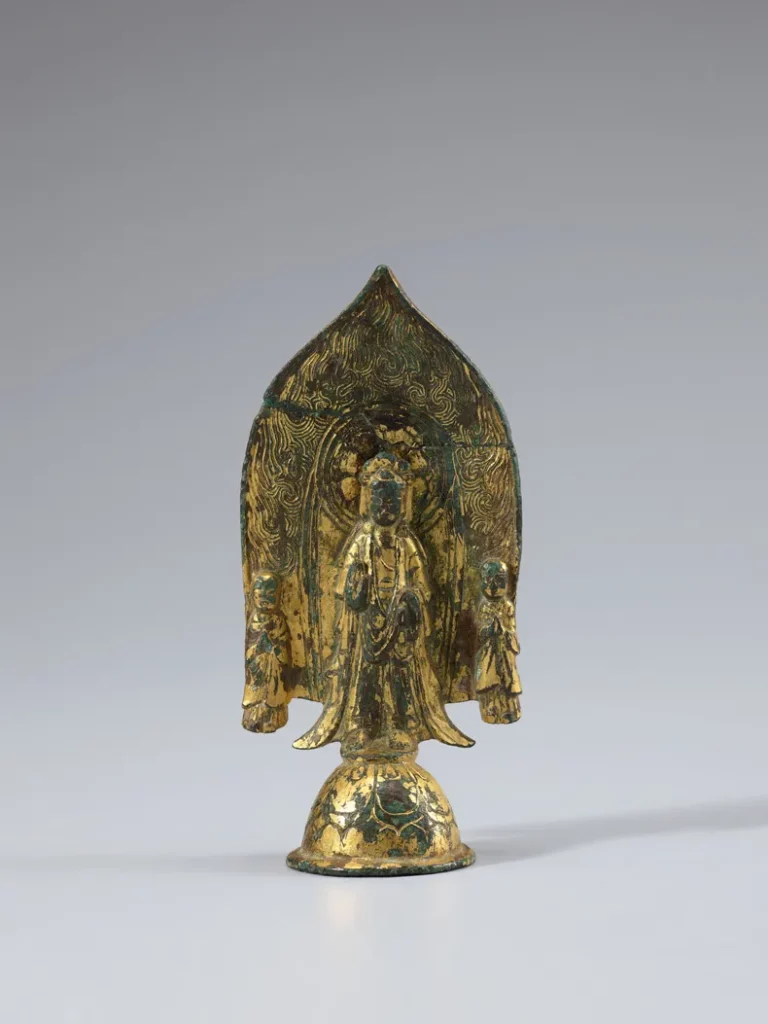
Among the highlights now on display are a 6th‑century gilt bronze Bodhisattva triad, colourful 18th‑century depictions of the Buddha’s life by monk painters, and whimsical Joseon‑era objects such as a toad‑shaped water dropper. Together, they trace the artistic and spiritual legacy of the Korean peninsula across dynasties and centuries.
The exhibition also shines a spotlight on the National Museum of Korea, the country’s flagship institution for history and art. Established in 1945, the museum in Seoul houses more than 310,000 artefacts, ranging from prehistoric relics to modern works. It has become one of Asia’s most visited museums, drawing nearly four million visitors in 2024.
For Chicago audiences, the show offers a rare chance to see treasures that were once hidden in private vaults. It also reflects a broader trend of cultural restitution and global collaboration, as nations and institutions work to preserve and share heritage long removed from public view.
With its blend of ancient ritual objects and vivid court paintings, the exhibition is expected to be a major draw, inviting visitors to step into Korea’s rich artistic past while underscoring the importance of safeguarding cultural legacies for future generations.
About the Author