In the hills of central Nepal, a sacred seed has sparked an unlikely economic surge. The Buddha Chitta plant—whose beads are revered in Tibetan Buddhism—has become the backbone of a booming cottage industry, fuelled by soaring demand from Chinese buyers.
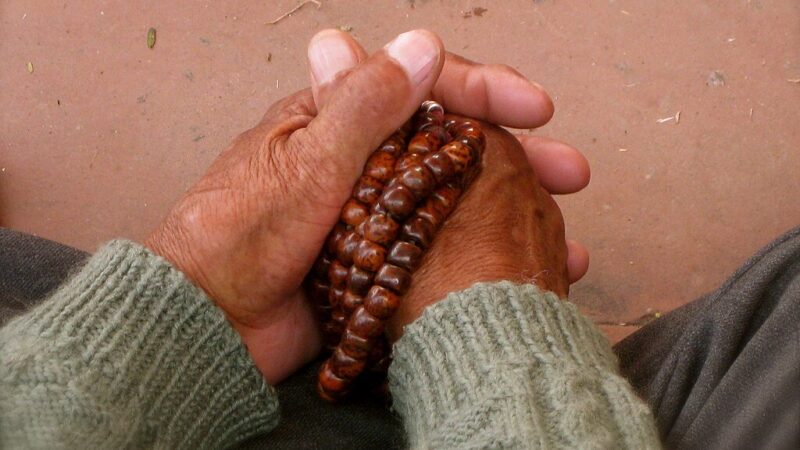
The seeds, harvested from Ziziphus budhensis trees native to the Temal region, are crafted into prayer bead necklaces known as Buddha Chitta mala. Once traded for mere rupees, their value skyrocketed after the Dalai Lama praised Nepalese beads for their spiritual potency. Today, a single 108-bead mala can fetch over USD 10,000.
Singha Bahadur Lama, once a migrant worker in Malaysia, now earns millions advising farmers on cultivation. “It’s all natural,” he says. “You never know what kind of bead a tree will give.” Lama’s success story is echoed across Kavre district, where nearly every household now grows Buddha Chitta.
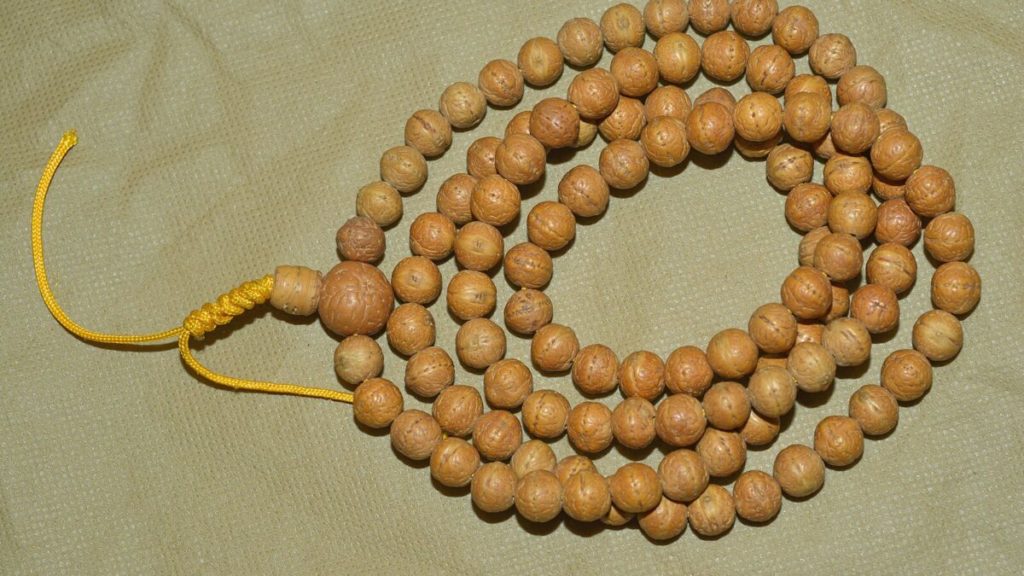
But the boom has brought volatility. Prices fluctuate wildly, and middlemen dominate the trade, often undercutting farmers. Some, like Maiya Tamang’s family, have sold entire trees for less than USD 11—only to learn later they were worth thousands. Others have faced violence: one tree allegedly worth USD 212,000 was felled in a midnight raid involving explosives.
Despite the risks, Buddha Chitta offers a low-maintenance alternative to maize and other crops. The trees thrive in poor soil, bear fruit annually, and can live up to 90 years. Yet monoculture concerns loom, and farmers are increasingly intercropping to preserve soil health.
Direct trade with Chinese buyers remains elusive. Language barriers and local restrictions mean most farmers rely on intermediaries, who often pocket the lion’s share. “We don’t know how to speak with them,” says Sonam Singh Tamang. “Even if they came here, we’d still need a middleman.”
Still, the sacred seed continues to reshape lives. From new homes to overseas education, Buddha Chitta has become more than a spiritual symbol—it’s a lifeline, rooted in tradition and branching into global markets.
About the Author