Greco-Buddhist art, also known as Gandhara, is one of history’s most fascinating cultural fusions. Emerging between the 1st and 5th centuries CE in the Gandhara region—modern-day Pakistan—it blended Hellenistic motifs brought by Alexander the Great’s armies with Buddhist themes flourishing under the Ashoka empire. The result was striking: Buddhas sculpted in classical Greek style, reliefs echoing Mediterranean design, and a visual language that bridged East and West along the Silk Road.
Though Gandhara’s artistic flowering lasted only a few centuries, its legacy endures in museums across the world.
- Peshawar Museum, Pakistan: At the heart of ancient Gandhara, this museum holds around 14,000 artefacts, including terracotta figurines and stone sculptures depicting Buddha’s life.
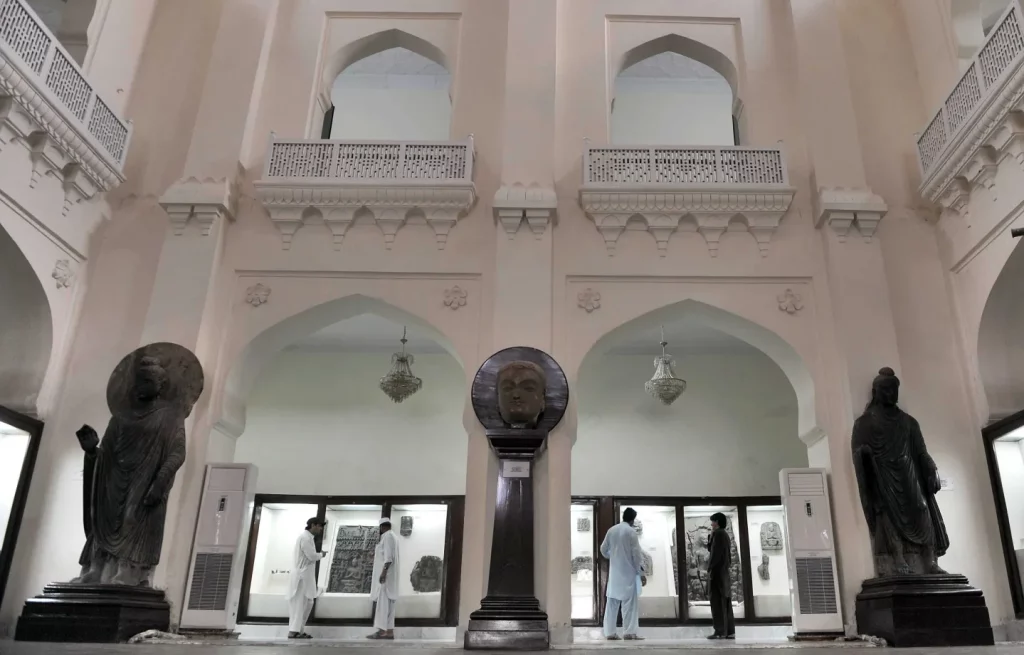
- Lahore Museum, Pakistan: The country’s largest museum, home to the celebrated Fasting Buddha, a masterpiece of Greco-Buddhist sculpture.
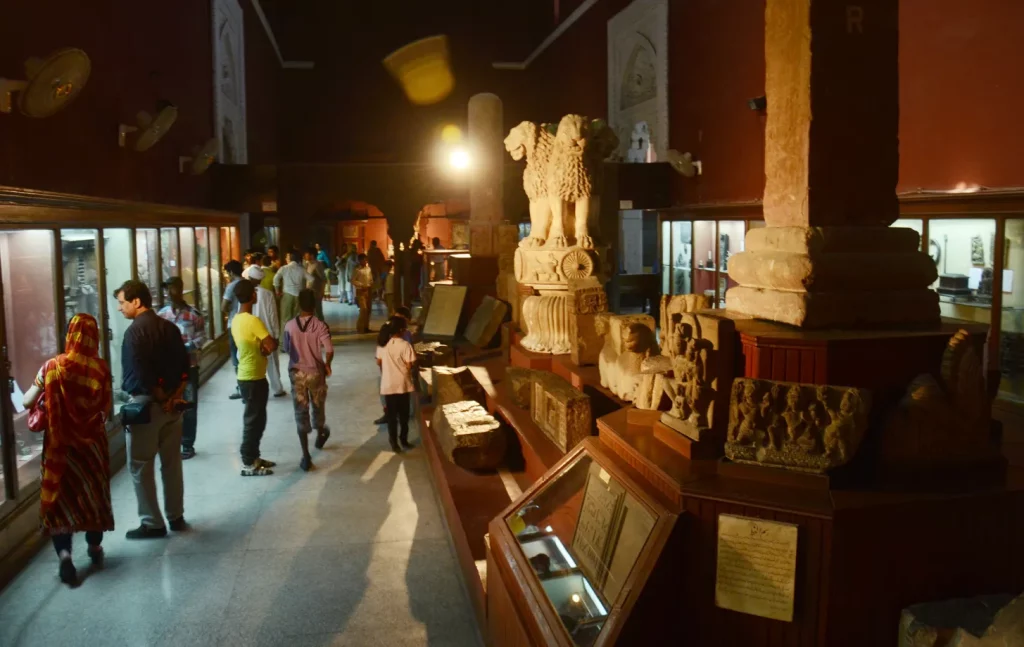
- The Met, New York: With more than 70 Gandharan pieces, the collection spans Greco-Buddhist art and Silk Road relics, including standing Buddhas and reliquaries.
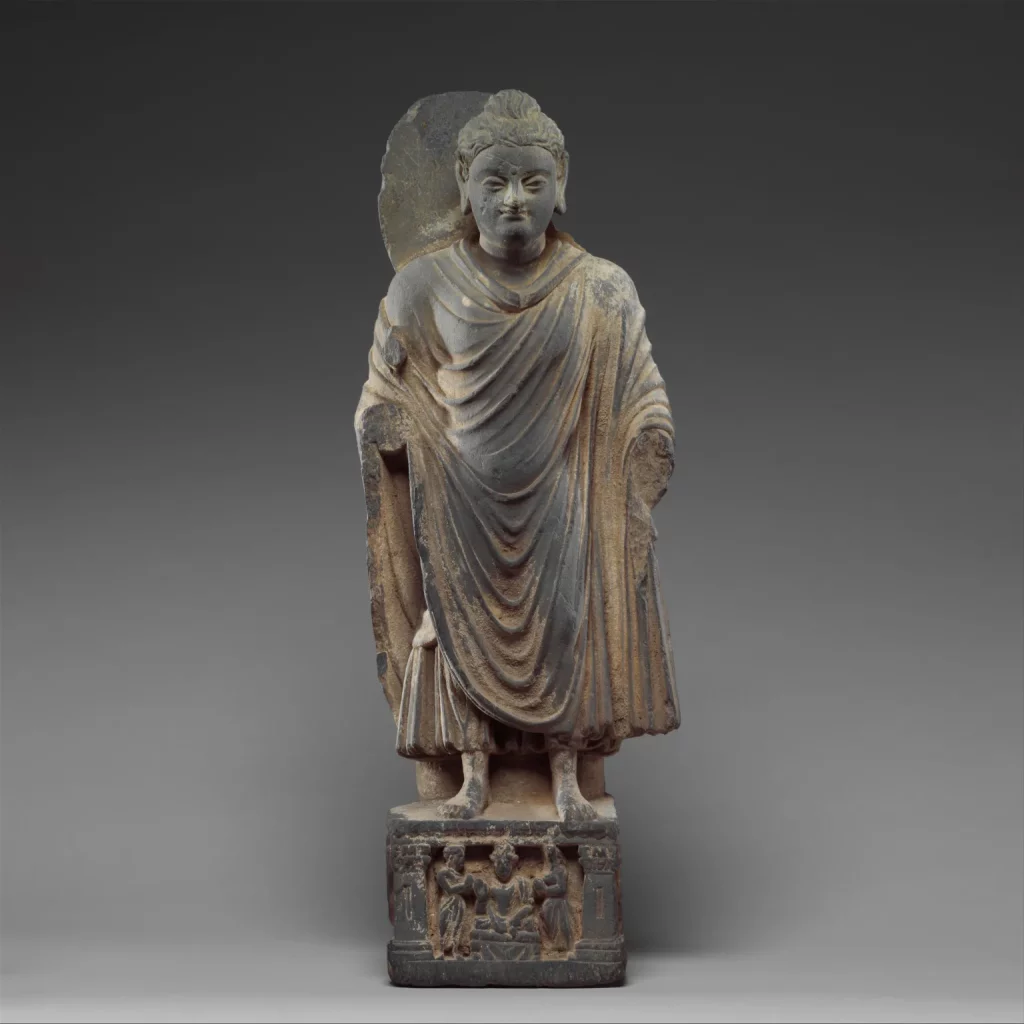
- Dallas Museum of Art, Texas: Features highlights such as the Thinking Bodhisattva and Gandharan Buddha heads in its South Asia section.
- Tokyo National Museum, Japan: Houses the renowned Standing Buddha from the 1st–2nd centuries AD, alongside other monumental Gandharan sculptures.
- British Museum, London: Offers dozens of statues, reliefs and relics showcasing the Hellenistic-Buddhist blend.
- Musée Guimet, Paris: Displays treasures like a schist standing Buddha, Avalokiteshvara bronzes, and even a Corinthian column adorned with meditating Buddhas.
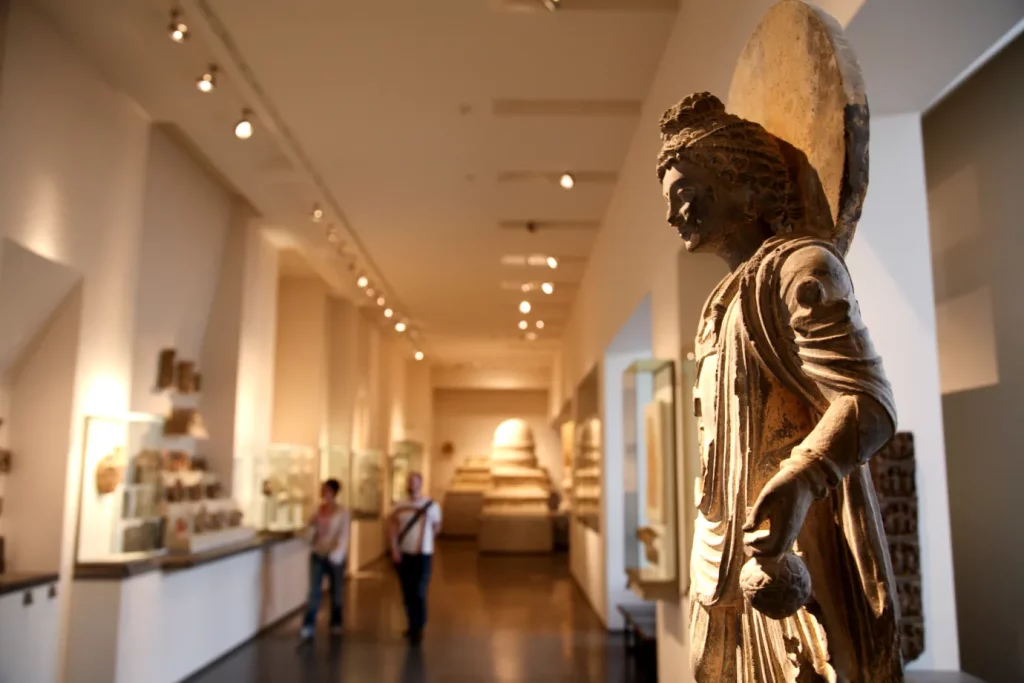
- National Museum, New Delhi: Holds a life-sized schist Buddha and rare wooden panels decorated with Gandharan art.
For travellers and art lovers, these collections provide a window into a unique moment in history when East met West in stone and spirit. Greco-Buddhist art may have faded from its homeland, but its echoes remain vivid in galleries worldwide.
About the Author