India’s celebrated Ajanta Caves, home to some of the world’s finest Buddhist murals and sculptures, may vanish within half a century, according to conservation experts. The warning underscores the paradox of preservation: efforts to protect the site are struggling against the sheer weight of tourism and time.
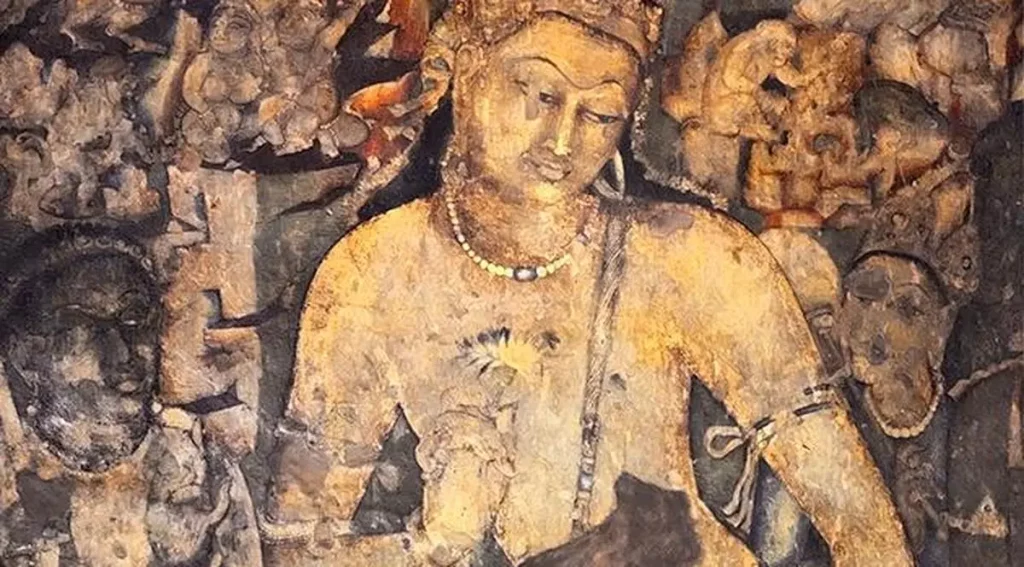
Discovered in 1819 by British cavalry officer John Smith, the caves near Aurangabad contain 30 rock‑cut sanctuaries dating back more than 2,000 years. Their vivid murals, painted with lapis lazuli blues and intricate outlines, have survived centuries of neglect. Yet scholars now fear they could disappear within decades.
Crowds are a major culprit. Between March and November 2024, more than 2.5 million visitors flocked to Ajanta, their breath and touch accelerating deterioration. Earlier conservation attempts also left scars: shellac applied in the 1930s obscured paintings until painstakingly removed in the 1990s. Lighting has since been softened to fibre optics, and barricades now keep tourists at a distance, but damage continues.
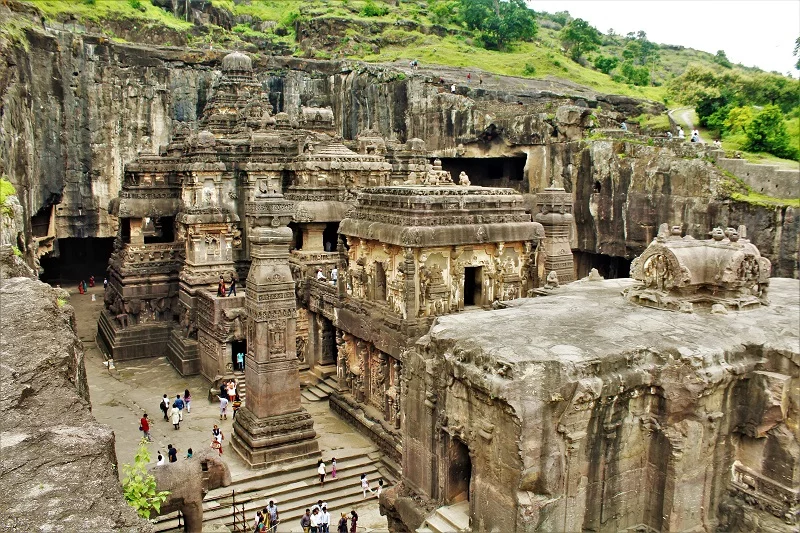
The sculptures, too, are eroding. Visitors lean on figures of the Buddha and Hindu deities, while caretakers often rest against them. In Ellora, nearby, features of Siva and Parvati are visibly blunting. The tension between preservation and popularisation is stark: heritage sites must attract tourists to remain economically viable, yet the very act of visiting hastens their decline.
Replicas, such as those used in France’s Lascaux caves, offer one solution, but many argue they cannot capture the “aura” of the originals. Ajanta’s own visitor centre with replicas has long been closed. For now, the caves remain open, but experts warn that without stricter controls, the murals could fade into shadows within 50 years.
The dilemma is clear: how to balance access with survival. As one archaeologist put it, preserving Ajanta means pitting the future against the present — a choice India must confront before its ancient treasures slip away forever.
About the Author