For more than 1,400 years, Zenkoji Temple in Nagano has stood as one of Japan’s most revered Buddhist sites. Believed to house the first Buddhist statue ever brought to the country, it continues to attract millions of pilgrims and visitors each year.
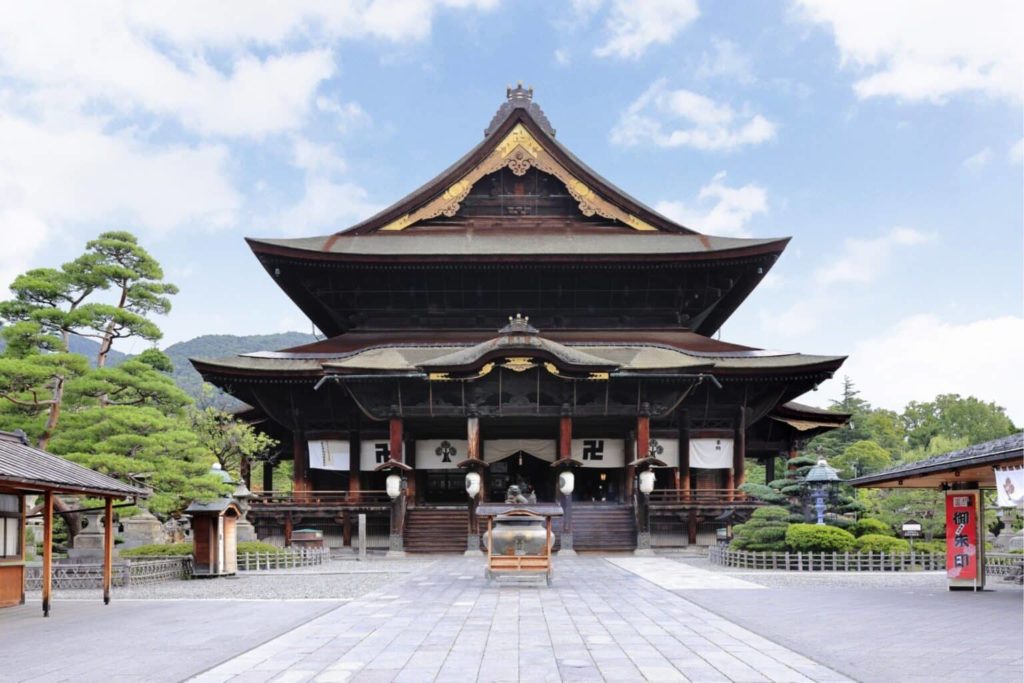
What makes Zenkoji unique is its inclusivity. Unlike many temples historically restricted by sect or social class, Zenkoji has long welcomed worshippers of all backgrounds. “Zenkoji has always been open to everyone,” says Chief Administrator Takanori Wakaomi, who oversees the temple’s traditions.
At the heart of Zenkoji lies its greatest mystery: a Buddha statue permanently hidden from view. Tradition holds that the image travelled from India via Korea before arriving in Japan in the 7th century. Once enshrined, it became a hibutsu, or “hidden Buddha”, unseen even by the temple’s own guardians. “Here, faith begins with what you cannot see,” Wakaomi explains, contrasting Zenkoji with temples such as Nara’s Tōdai‑ji, where devotion centres on a visible Great Buddha.
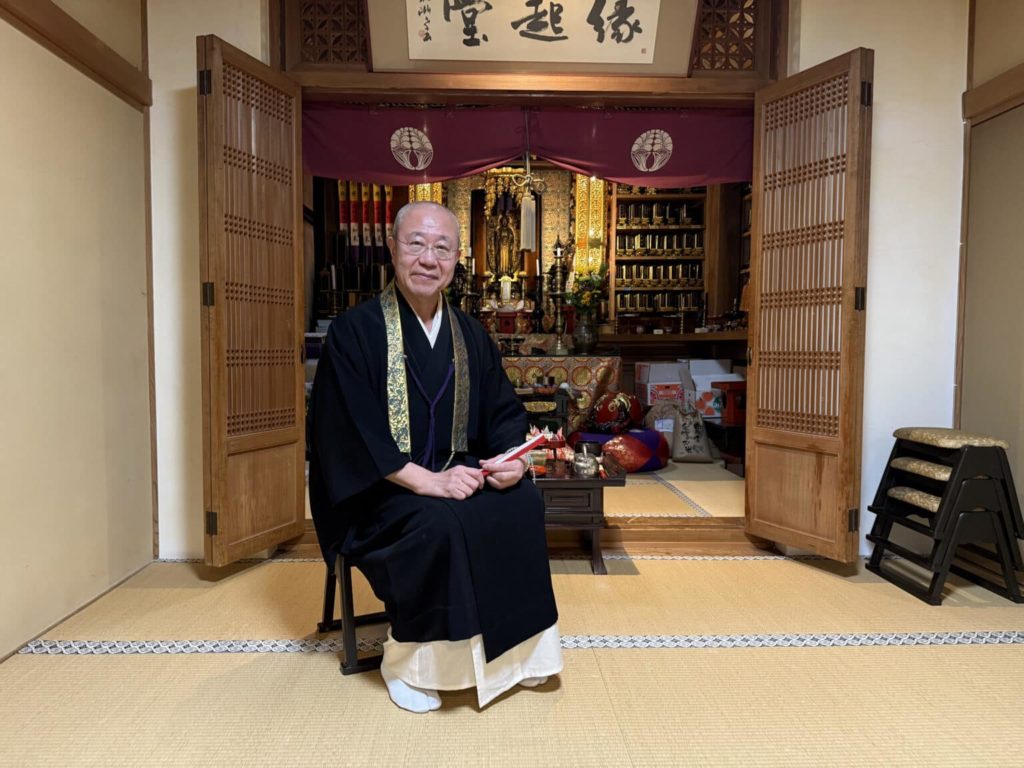
The hidden statue reflects Pure Land Buddhist teachings of tariki, or “other‑power”, emphasising reliance on Amida Buddha’s grace rather than personal effort. For many visitors, the concept resonates with ideas of faith familiar in Christianity, offering a bridge of understanding across cultures.
Zenkoji is also unusual in its governance. The temple is jointly administered by the Tendai and Jodo schools, with ceremonies held consecutively in the main hall. “Two different traditions sharing one sacred place – this was new to them,” Wakaomi recalls of visiting Catholic bishops.
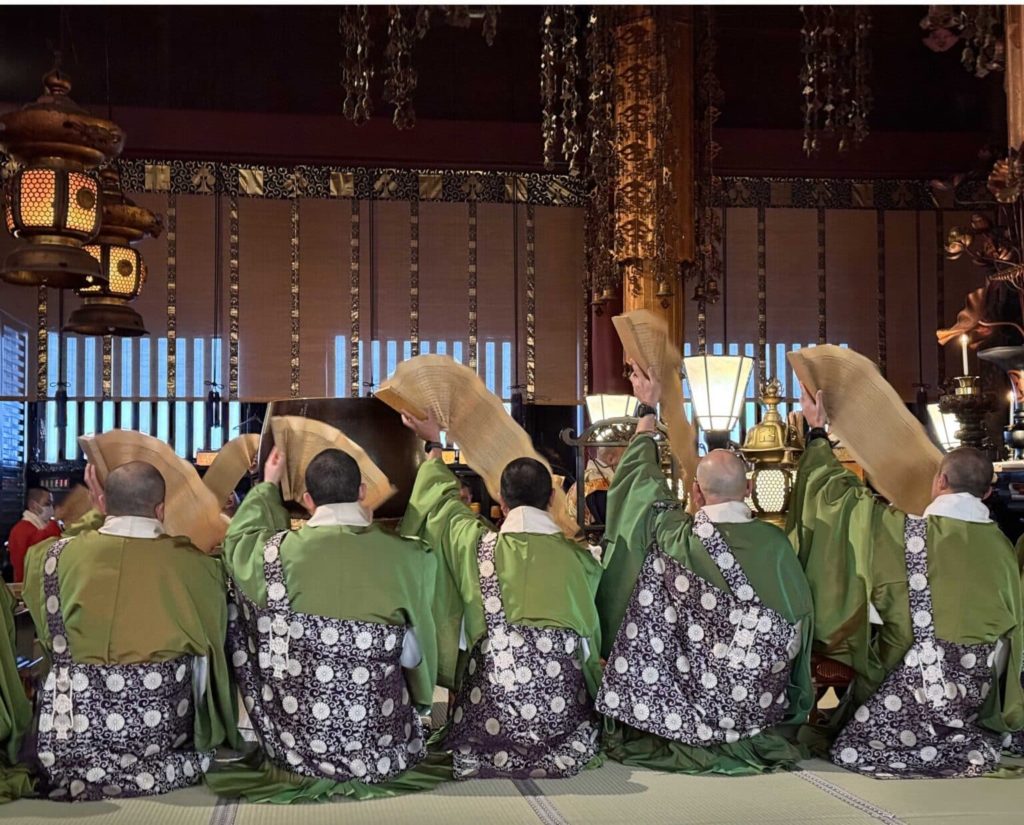
Beyond its spiritual secrets, Zenkoji remains a living centre of devotion. Early‑morning rituals draw locals to chant and pray, offering travellers a glimpse of faith in practice. As Wakaomi puts it: “People remember not what they saw, but what they felt.”
About the Author