South Korea’s Haeinsa Temple is embarking on an extraordinary project that has not been attempted for eight centuries: the carving of a new Tripitaka Koreana. The initiative aims to carry forward the spirit of devotion that inspired the original woodblocks during one of the darkest periods in Korean history.
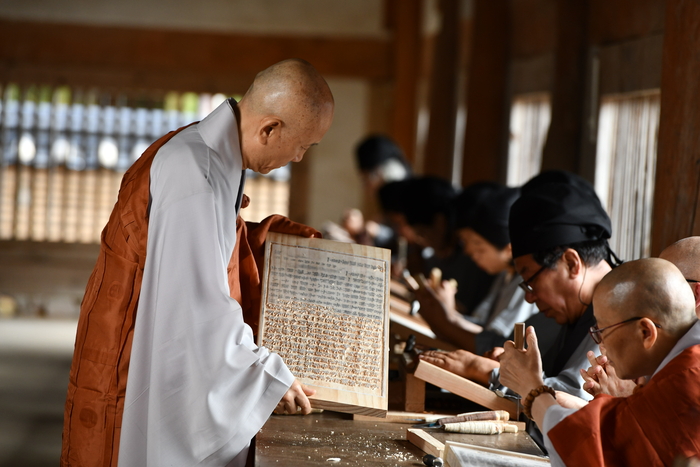
The temple, one of Korean Buddhism’s most important sites, will formally launch the project at a ceremony on 29 October in Hapcheon, South Gyeongsang Province. Monks, government officials, cultural heritage experts and trainees from a specialised woodblock-carving school are expected to attend.
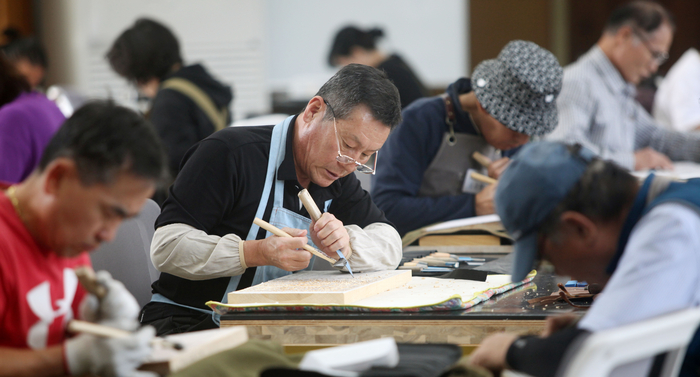
Known as the “Haeinsa Janggyong Dogam Ceremony”, the event will be accompanied by the start of a 10,000-day prayer dedicated to the successful completion of the undertaking. Visitors will also be able to watch demonstrations of the traditional carving techniques used to create the wooden printing blocks.
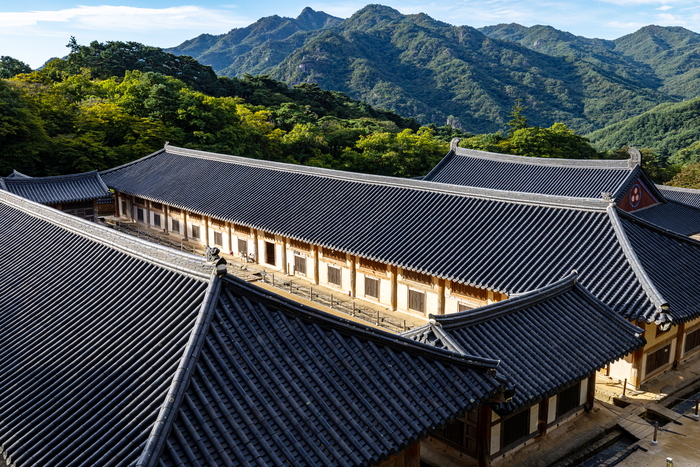
The original Tripitaka Koreana, carved in the 13th century, is widely regarded as one of the finest collections of Buddhist scriptures in the world. It was created during the Goryeo period when Korea faced repeated Mongol invasions. At a time of national crisis, craftsmen and monks painstakingly carved Buddhist texts onto wooden blocks, believing the work would help protect the country and its people.
Haeinsa insists the new project is not intended to replace or reproduce the existing collection. Instead, it is designed to revive the values that shaped the original endeavour: faith, responsibility, dedication and careful craftsmanship.
Venerable Hyeil, the temple’s abbot, said the modern version carries a broader mission. While the original Tripitaka was carved for the future of the nation, the new project is being undertaken for the benefit of humanity, peace and all living beings.
The initiative also offers a striking contrast to the age of artificial intelligence. “If AI engraves information, humans engrave their vows,” Venerable Hyeil said. He argued that technology cannot easily replicate qualities such as devotion, repentance, responsibility and a sincere wish for the well-being of others.
For the monks and volunteers taking part, each carved character is more than text. It is an act of concentration, patience and commitment, linking the challenges of the 21st century to a tradition that has endured for more than 800 years.
About the Author