Joseph Houseal’s new volume, Buddhist Dances: Movement and Mind, continues his ambitious exploration of Asia’s sacred movement traditions, offering a vivid and deeply researched account of dances that blur the line between ritual, philosophy and lived spiritual practice.
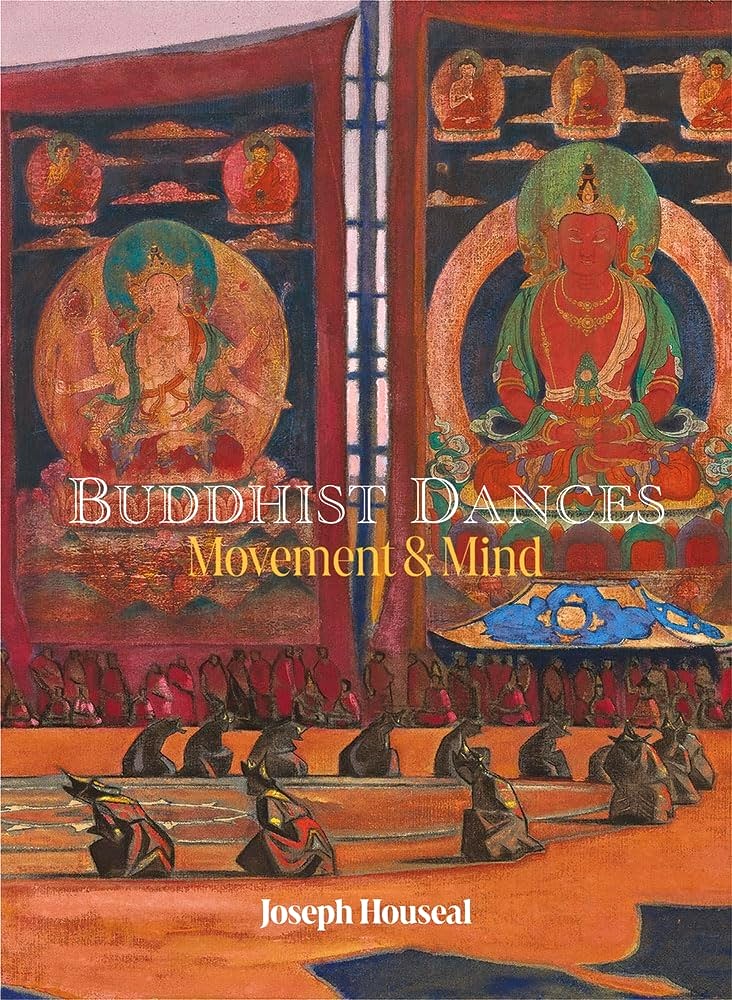
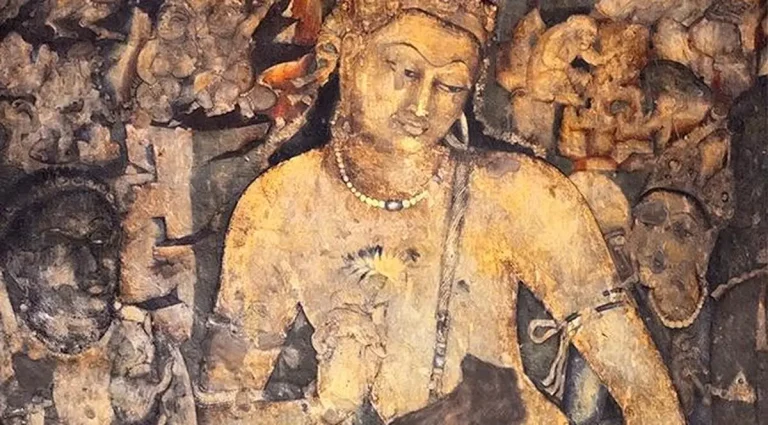
Where the first part of his study traced the Himalayan roots of Buddhist dance, this sequel pushes eastward, following the pathways through which these traditions travelled, adapted and survived. Houseal approaches the subject like a cultural detective, pairing fieldwork with historical insight as he moves from the raw power of Tibetan Cham to the delicate, floating figures preserved on the walls of China’s Dunhuang caves.
At the heart of the book is a bold argument: that sacred Asian dance is not performance at all, but a complete mind‑body discipline designed to induce a direct experience of emptiness. Houseal describes this as an “inner technology” — a set of practices that link physical movement with a precise internal method, a connection he believes sets Eastern traditions apart.
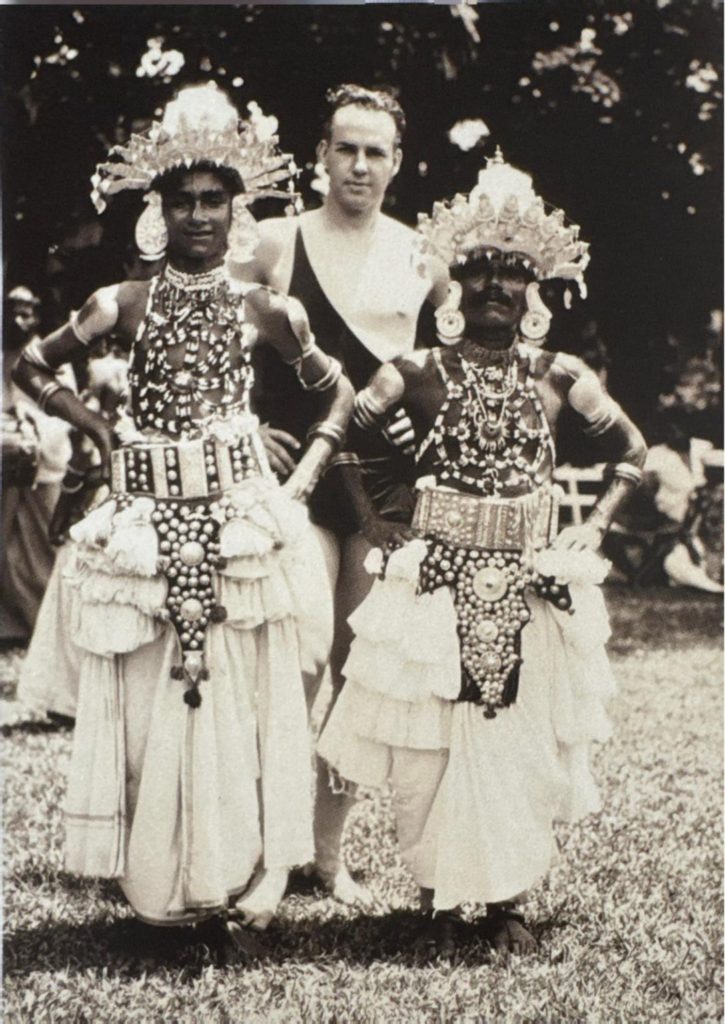
Antique photograph of Sinhalese dancers in Buddhist Dances. Image courtesy of the author
His journey through China brings this idea into sharp focus. In Dunhuang, he reads the Mogao Caves as a vast visual archive, charting the evolution of movement across a millennium. He then turns to The Secret of the Golden Flower, presenting the text as a practical guide to inner alchemy whose influence ripples through martial arts, opera, meditation and painting.
The narrative shifts dramatically in Mongolia, where Houseal recounts the near‑destruction of tsam dance under Communist rule. He highlights the quiet heroism of artist Ürjingiin Yadamsüren, who secretly painted all 108 characters of the ceremony in 1965, preserving a tradition that could no longer be performed. For Houseal, this act becomes a symbol of cultural survival.
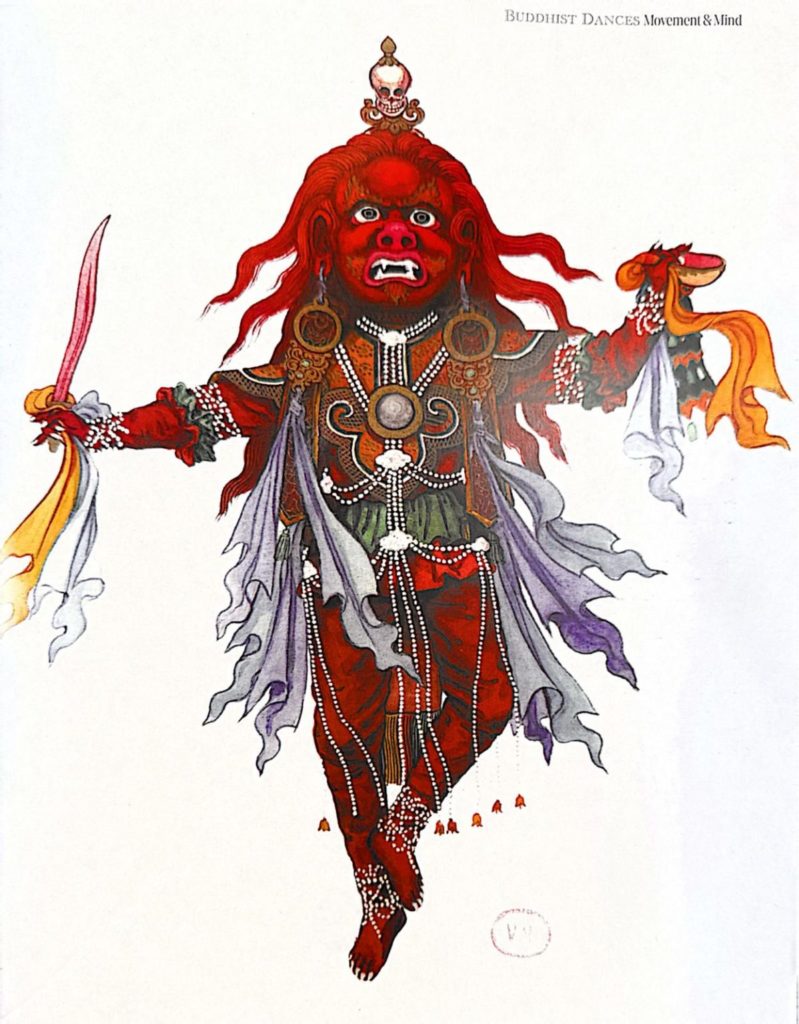
Image of a conquering deity from Ritual Dances Tsam in Ikh Khuree of Theocratic Mongolia by Urjingiin Yadamsuren in Buddhist Dances. Image courtesy of the author
In Sri Lanka, he confronts a striking paradox: monks forbidden to dance, yet temple walls alive with movement. His work with Core of Culture to revive rituals such as the “Danced Ritual of the 24 Previous Buddhas” reveals a living tradition that continues to shape identity and devotion, culminating in the spectacle of the Kandy Perahera.
Houseal closes with a call to recognise these dances as complete systems of inner training — practices that transform the dancer from within. His book argues that sacred dance is not entertainment but a pathway to awakening, a reminder that movement itself can be a form of profound spiritual inquiry.
About the Author