In Southern California, worshippers are flocking to a temple where bones and teeth said to belong to the Buddha are displayed, objects revered by followers as powerful sources of blessing.
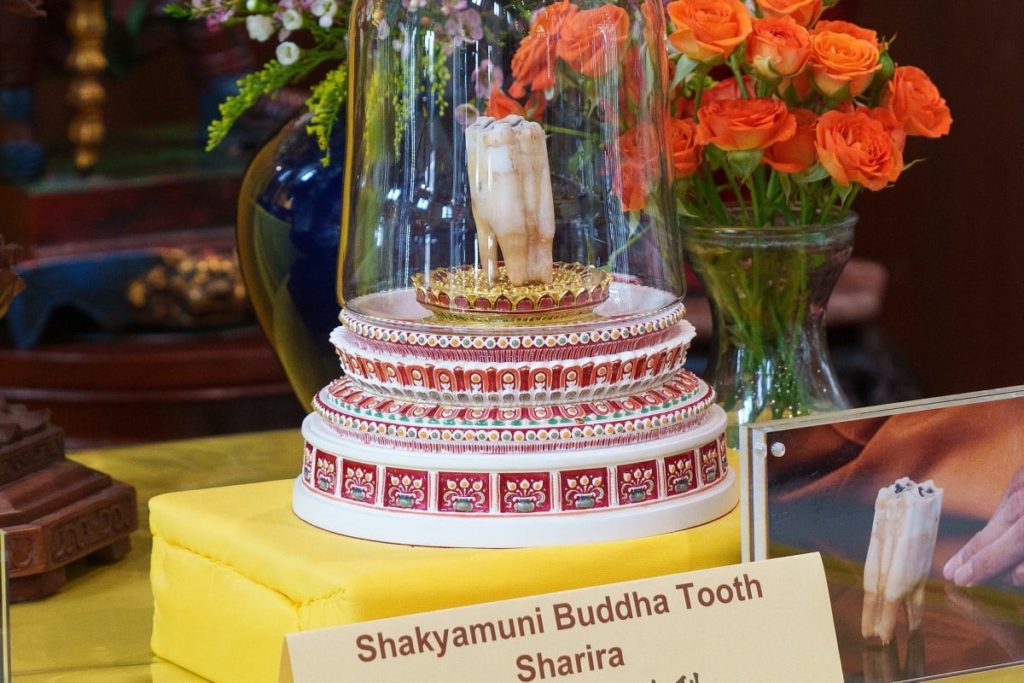
At the Wei Mountain Temple in Rosemead, Katherine Nguyen stood with hands folded and head bowed before tooth and finger‑bone relics attributed to Shakyamuni Buddha, who attained enlightenment in India some 2,500 years ago. “To be able to see the Buddha, to get close to him and feel the energy – it’s very special for a Buddhist,” she said.
Every spring, the temple unveils what it calls the “10,000 Buddha Relics”, filling glass cases and miniature stupas with sacred items. Founder Master YongHua says the actual number is far greater, underscoring the scale of the collection. Stupas, dome‑shaped monuments, are central to Buddhist practice, serving as sites for meditation and pilgrimage.
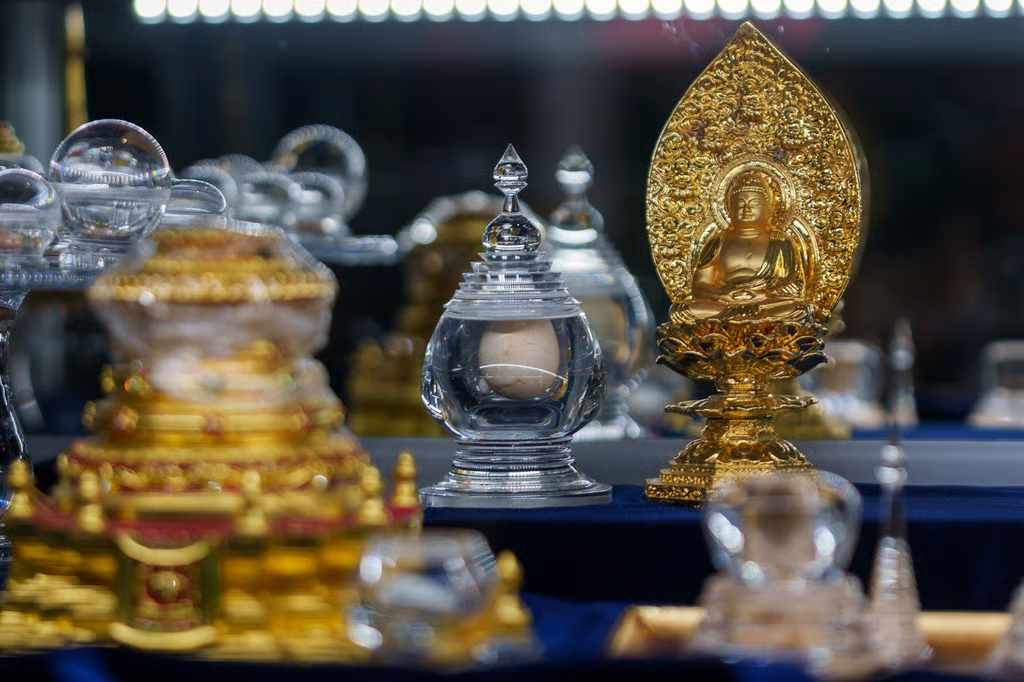
Relics hold a unique place in Buddhist tradition. Unlike relics in Catholicism or Orthodox Christianity, which are venerated as links to saints or Christ, Buddhist relics are seen as living, active sources of spiritual energy. Believers regard them as imbued with supernatural qualities, capable of bestowing blessings and strengthening faith.
For devotees, the chance to encounter such relics is more than symbolic. It is a moment of connection with the Buddha himself, a tangible reminder of his teachings and enlightenment. In a world of modern distractions, these ancient fragments continue to inspire reverence and devotion.
About the Author