A small gilt‑bronze Buddha statue bought for loose change at a Swedish flea market has stunned the art world after selling for SEK 2,437,500 — roughly USD 230,000 — at Stockholms Auktionsverk’s Asian Fine Art Sale.
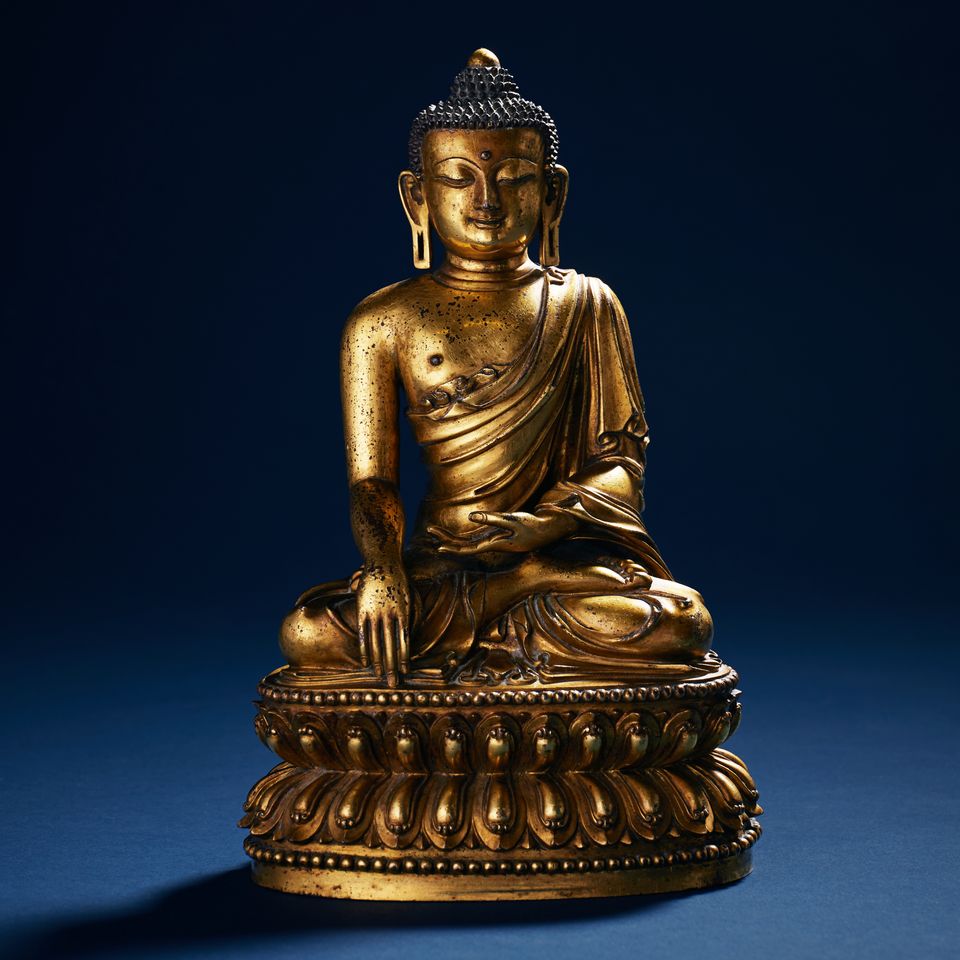
The piece, just 18 centimetres tall, had spent decades in a private home in Uppsala after the owner picked it up in the 1980s for a little over SEK 20. Only recently was its true significance recognised: experts identified it as a rare Shakyamuni Buddha from the Yongle period (1403–1424), one of the most coveted eras of early Ming craftsmanship.
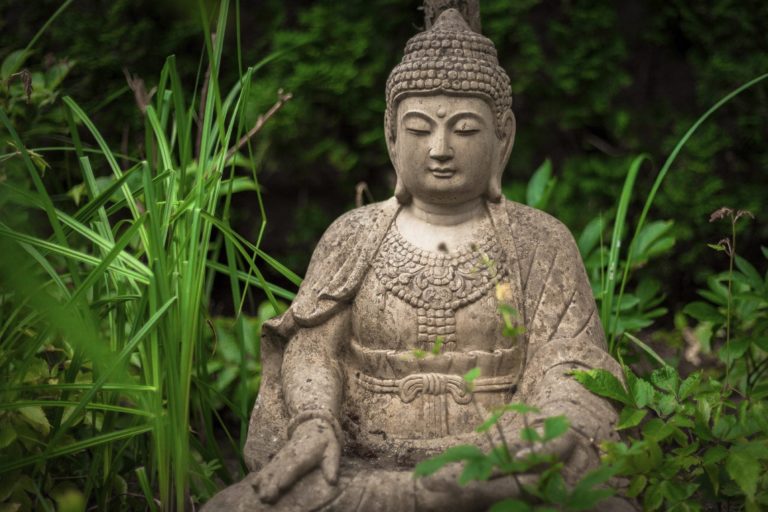
Cast in gilt bronze, the figure displays the refined drapery, crisp detailing and rich gilding associated with imperial workshops of the time. Comparable examples are held in major international collections, including the British Museum, and seldom appear on the open market.
Its unexpected provenance — a Ming‑dynasty treasure hiding in plain sight in Sweden — sparked fierce international bidding. The final hammer price far exceeded expectations, cementing the statue as the standout lot of the sale.
Elisabet Fellbom, specialist in Asian art at Stockholms Auktionsverk, called the discovery “extraordinary”, noting how unusual it is for an object of such quality to surface in private hands. “The sculpture is an outstanding example of 15th‑century Buddhist metalwork,” she said, adding that the auction gives the piece “its rightful place in cultural history”.
For the anonymous seller, a casual flea‑market purchase has become a once‑in‑a‑lifetime windfall. For collectors, the sale is a reminder that masterpieces sometimes emerge from the most unexpected corners of the world.
About the Author