In the quiet commune of Vu Tien, Hung Yen province, Keo Pagoda stands as one of Vietnam’s most celebrated temples. Now, its most enigmatic relic – the Snow Mountain statue – is on the verge of being recognised as a National Treasure.
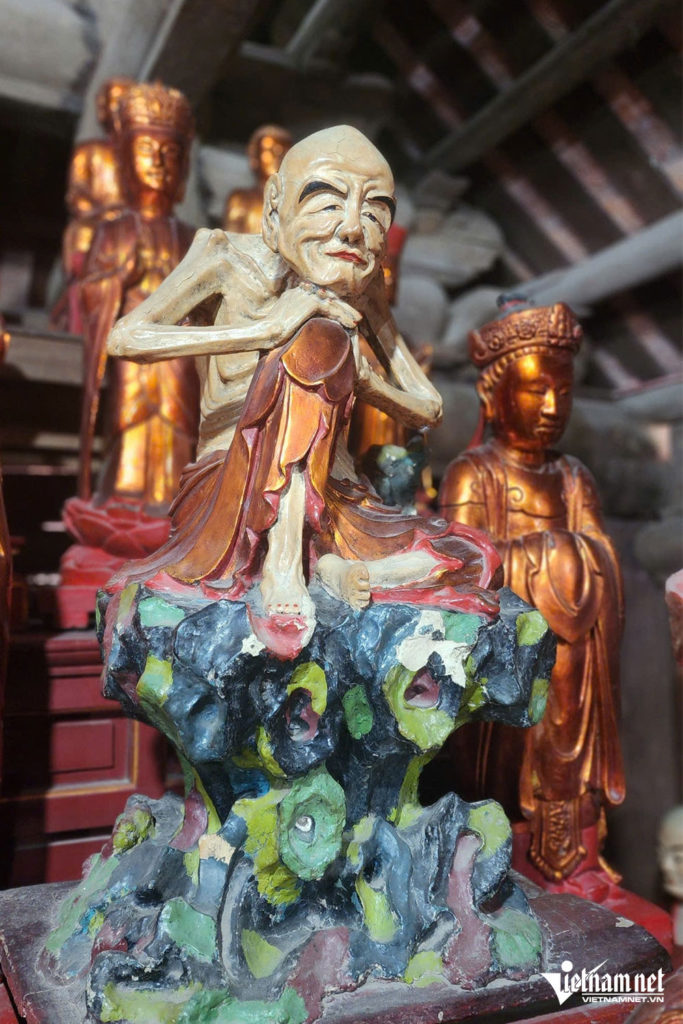
The statue, known locally as Tuyet Son, depicts Siddhartha Gautama during his six-year ascetic journey before enlightenment. Emaciated and skeletal, it captures the Buddha’s devotion to meditation and self-denial, a haunting symbol of discipline and transcendence.
What makes the sculpture extraordinary is not only its subject but its construction. Unlike traditional devotional figures carved from wood or cast in bronze, the Snow Mountain statue was crafted from an unusual organic mixture – handmade paper, limewater, soot, molasses and ash. Despite the fragility of these materials, it has survived nearly four centuries almost intact, a testament to the ingenuity of its creators.
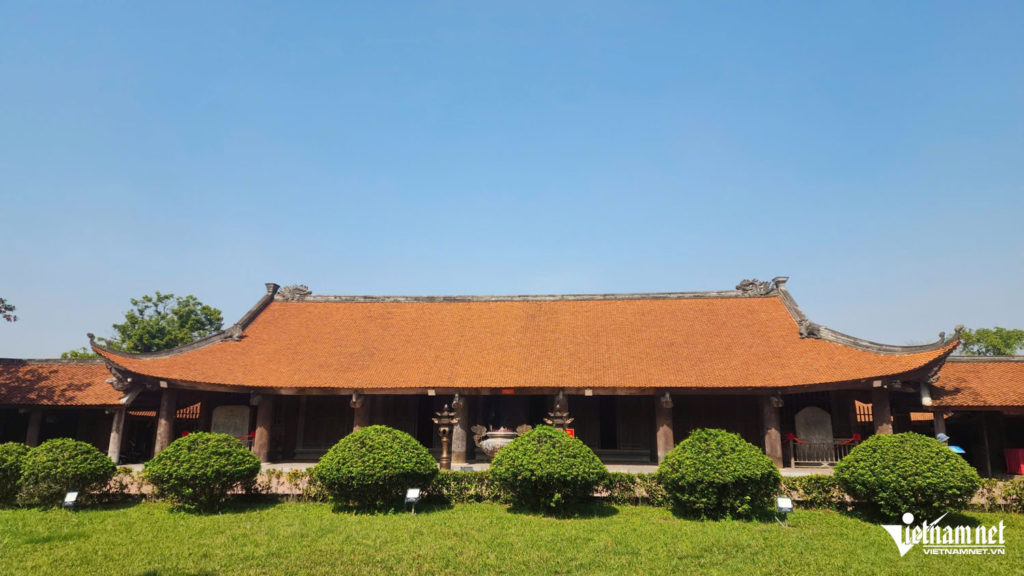
Keo Pagoda itself, formally known as Than Quang Tu, has a storied past. Originally built in honour of revered monk Duong Khong Lo, the temple was destroyed by floods in 1611 before being rebuilt in 1632 under the Le-Trinh dynasty. Today, it spans nearly six hectares, with 17 buildings and Vietnam’s tallest ancient wooden bell tower – a Guinness-certified structure of ironwood with twelve curved roofs.
Already recognised as a Special National Monument in 2012, Keo Pagoda houses two existing National Treasures: the intricately carved dragon doors of its inner gate and a 17th-century ceremonial altar. The Snow Mountain statue, with its rare artistry and spiritual resonance, is now poised to join them.
For local authorities, the application is more than a bureaucratic step. It is an affirmation of Vietnam’s cultural soul – proof that age, artistry and devotion can converge in a single object. For visitors, the statue remains a powerful reminder of Buddhist perseverance and the creative genius of generations past.
About the Author