A landmark exhibition in New Delhi is bringing the sacred Piprahwa relics — bone fragments believed to be of the Buddha, along with a sandstone coffer and ancient offerings — back into the public eye for six months.
Hosted at the Rai Pithora Cultural Complex in south Delhi, the exposition titled “The Light and the Lotus: Relics of the Awakened One” was inaugurated by Prime Minister Narendra Modi on 3 January. The National Museum’s Director General Gurmeet Singh Chawla confirmed the display will run daily from 9 am to 9 pm, making it accessible to visitors beyond regular working hours.
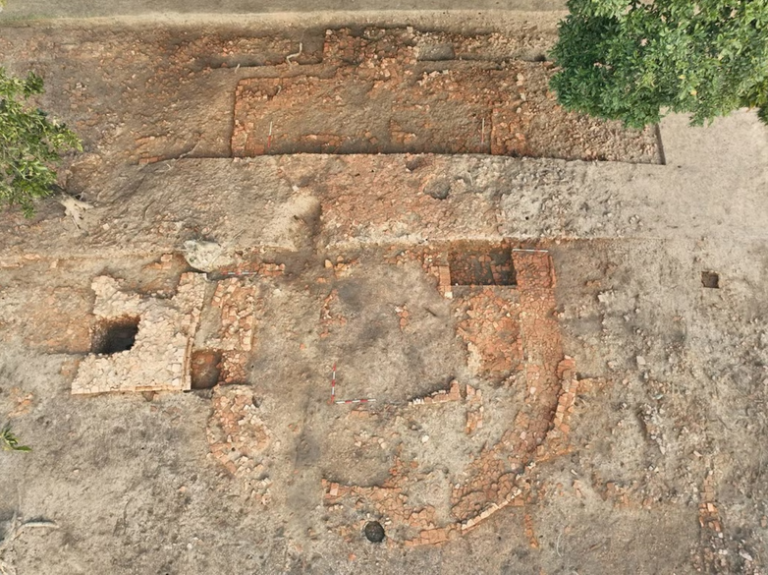
The relics were first unearthed in 1898 at Piprahwa, in present-day Uttar Pradesh, by British engineer William Claxton Peppe. They include bone fragments, ornaments and gemstones, believed to have been enshrined by the Sakya clan around the 3rd century BC. An inscription in Brahmi script on one of the caskets identifies them as relics of the Buddha.
Over the years, portions of the relics were dispersed worldwide — gifted to the King of Siam, taken to England, and preserved at the Indian Museum in Kolkata. A set of Piprahwa gems retained by Peppe’s descendants was even listed for auction in Hong Kong last year, before being repatriated to India in 2025 following intervention by the Ministry of Culture and global Buddhist communities.
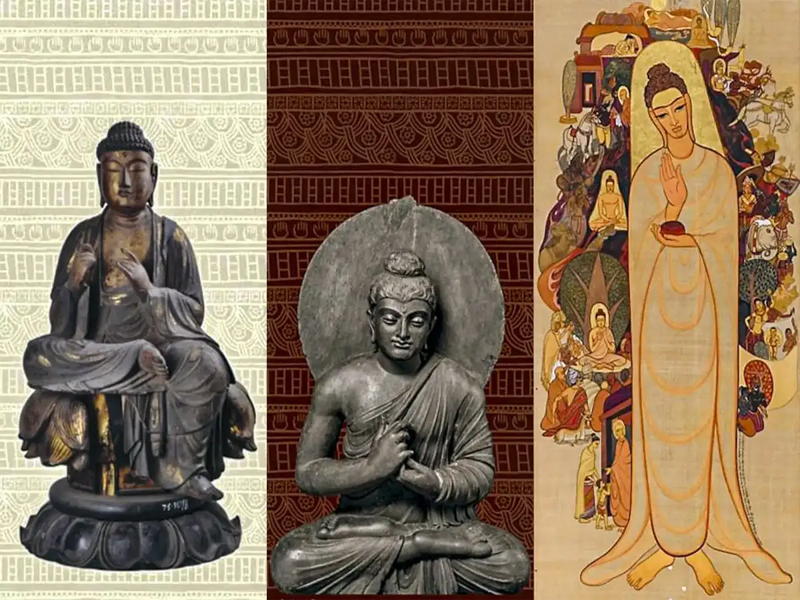
The exhibition features more than 80 objects, including sculptures, manuscripts, thangkas and ritual items spanning over two millennia. A replica of the Sanchi Stupa has been erected at the centre of the round exhibition hall, with the relics displayed in three glass-fronted enclosures around its periphery.
For Buddhists worldwide, the Piprahwa relics hold immense spiritual significance, representing one of India’s most important archaeological discoveries. Their reunification and public display mark a historic moment, reaffirming India’s role as custodian of a heritage that continues to inspire devotion across continents.
About the Author