Anuradhapura, in northern Sri Lanka, is one of the holiest cities in the Buddhist world, yet one of its greatest monuments remains little known outside the country. The Jetavanaramaya stupa, once ranked among the largest human‑made structures on Earth, is a masterpiece of ancient engineering that has slipped into obscurity.
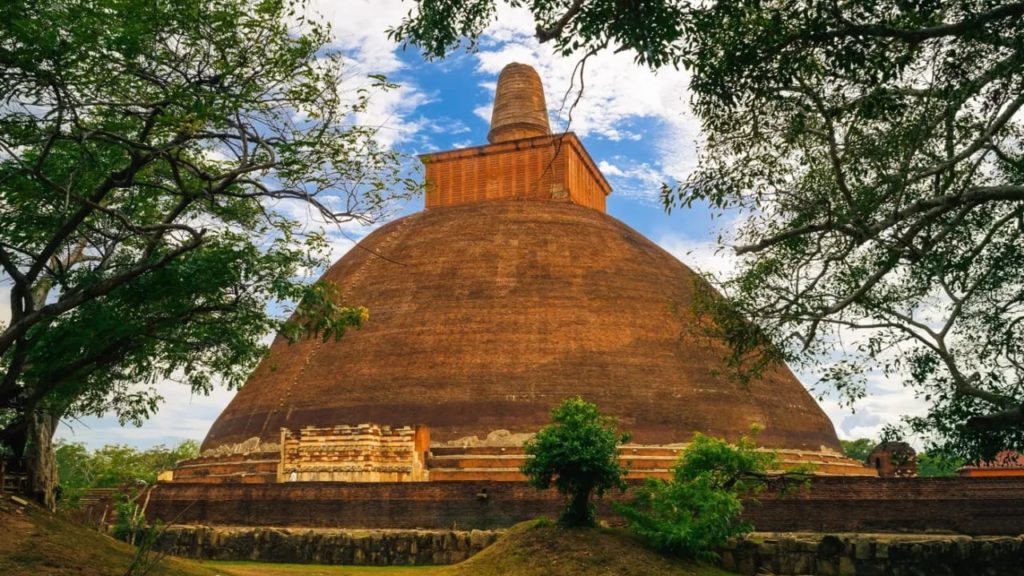
Completed in 301 CE, Jetavanaramaya originally rose to 122 metres, built from an astonishing 93 million baked mud bricks. At the time, only the Great Pyramids of Giza surpassed it in scale. Today, after centuries of collapse and partial restoration, it stands at 71 metres—still the largest brick structure ever built by volume.
Unlike Egypt’s pyramids, Jetavanaramaya was not continuously visible throughout history. Jungle growth, shifting religious priorities and poor preservation buried much of its story. Archaeologists have uncovered sacred caskets embedded within its layers, confirming its role as both a monumental achievement and a deeply spiritual site.
The stupa was part of a vast monastic complex, housing hundreds of monks who oriented their daily lives around it. Yet its construction was controversial, reportedly carried out without the consent of the orthodox Theravada establishment and later associated with the Mahayana‑leaning Sagalika sect.
The technical challenges were immense. Built almost entirely of mud bricks, the structure required extraordinary organisation, with elephants and ox carts likely used to transport materials. No attempt was ever made to replicate its scale in Sri Lanka or Southeast Asia.
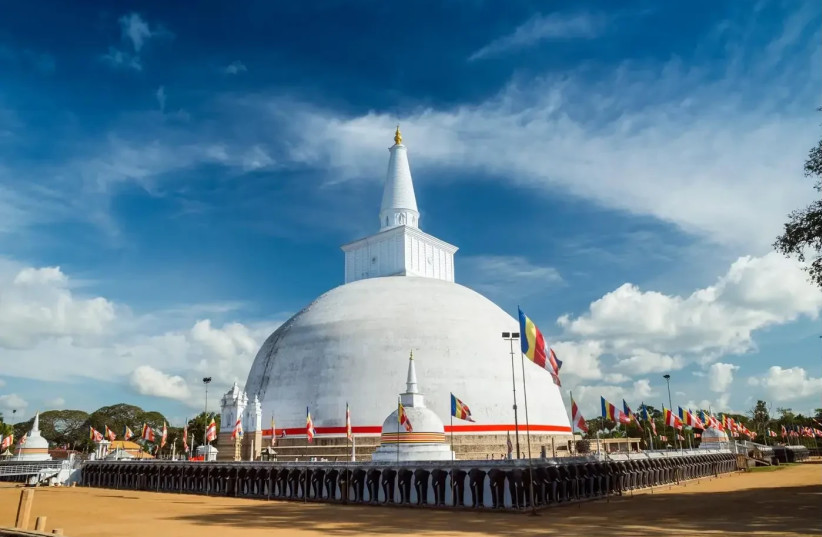
Nearby, the gleaming white Ruwanwelisaya stupa continues to hold deeper religious significance, believed to contain relics of the Buddha himself. Maintained across generations, it now rises higher than Jetavanaramaya and remains a central focus of pilgrimage.
Jetavanaramaya, however, stands as a reminder of Sri Lanka’s ancient ambition and engineering brilliance. Though less celebrated internationally, it remains one of the world’s great forgotten monuments—an immense dome of brick and devotion, waiting to be rediscovered by travellers and historians alike.
About the Author