In the heart of Angkor’s Ta Prohm temple, the Hall of Dancers has emerged from decades of ruin to stand once more as a symbol of cultural resilience and international cooperation. Hidden beneath the embrace of ancient tree roots, the 12th‑century pavilion has been painstakingly restored over nearly twenty years by the Archaeological Survey of India (ASI), working alongside Cambodia’s APSARA National Authority.
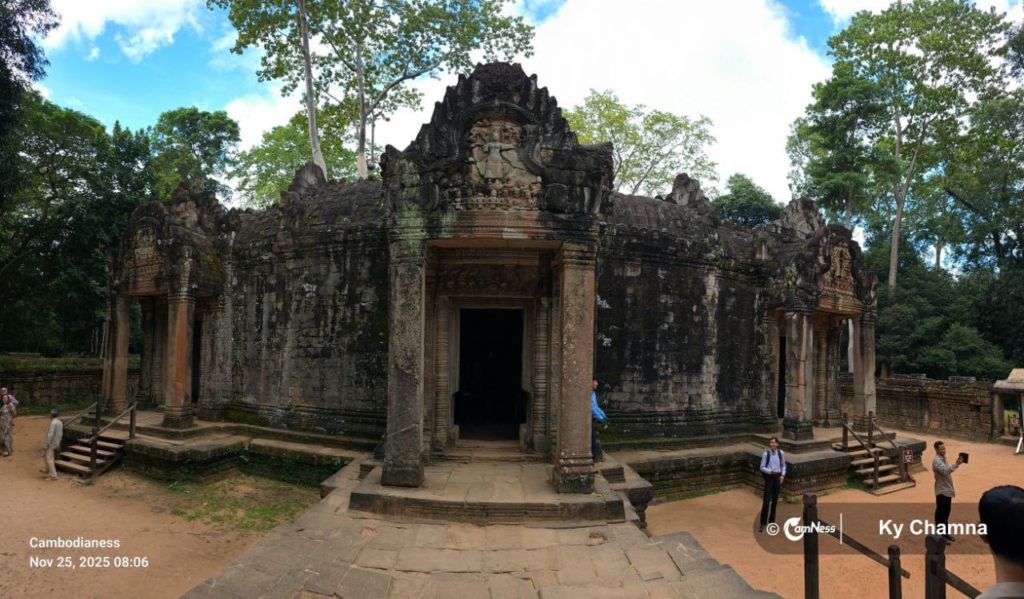
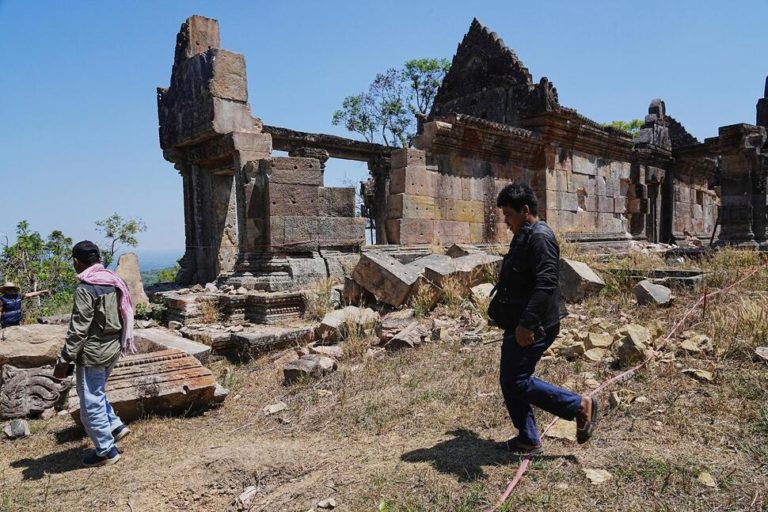
The hall, famed for its carved apsaras and intricate bas‑reliefs, had collapsed under centuries of neglect. Roofs caved in, pillars splintered, and stones lay scattered across the floor. Restoration teams faced daunting challenges: confined temple grounds, massive trees blocking machinery, and fragile stonework at risk of further damage. ASI chose anastylosis, a method that reassembles monuments using original stones, ensuring authenticity while stabilising foundations and vaults.
The results are striking. Forty‑one large pillars, dozens of smaller supports, and the eastern and western porches have been rebuilt. During excavation, a headless Buddha statue was unearthed near the eastern porch, its deliberate destruction a reminder of the temple’s layered religious history. Founded under King Jayavarman VII as a Buddhist sanctuary, Ta Prohm later saw many images defaced or recarved into Hindu symbols, reflecting centuries of shifting belief.
For conservationists, the project is about more than stone. “We preserve nature wherever possible,” said ICC‑Angkor specialist Mounir Bouchenaki. “But monuments are testaments to a civilisation, and they deserve care as well. Sometimes we allow time’s touch to remain—that too is part of their story.”
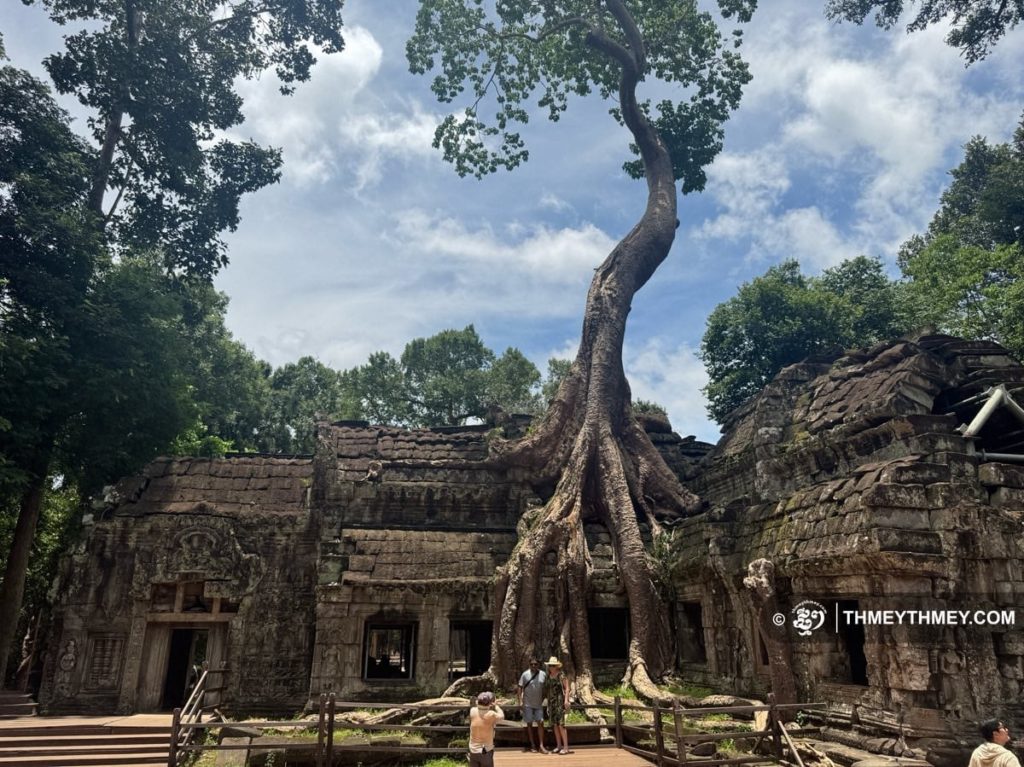
Ta Prohm is often remembered as the “tree temple,” its dramatic roots entwined with towers and galleries. Yet the Hall of Dancers shows how its significance extends beyond photogenic ruins. Designed as a spiritual cosmos, the temple embodies Khmer ingenuity and collective memory.
India’s role has been central. ASI, founded in 1861, has long provided technical expertise across Asia, including earlier work at Angkor Wat. Its continued presence in Siem Reap underscores how archaeology can serve as cultural diplomacy, strengthening ties between nations while safeguarding heritage.
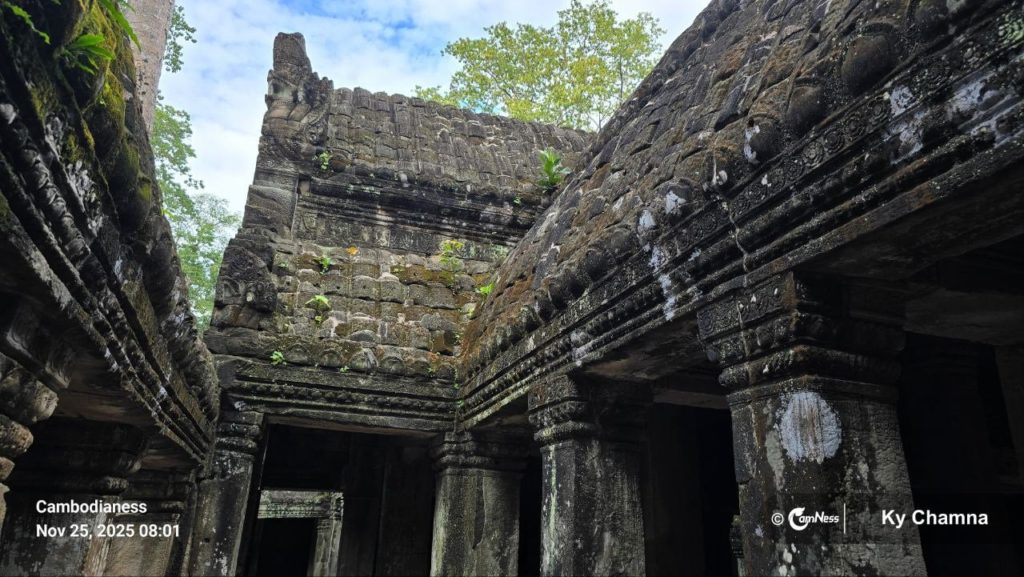
As visitors step into the restored hall, shafts of light illuminate apsaras frozen mid‑dance—a reminder that Ta Prohm is not just a relic of the past, but a living bridge between cultures.
About the Author