A 17th‑century stone Buddha triad at Sinheungsa Temple in Yangsan, South Gyeongsang Province, has been preliminarily designated a National Treasure, marking a significant recognition of its cultural and historical value.
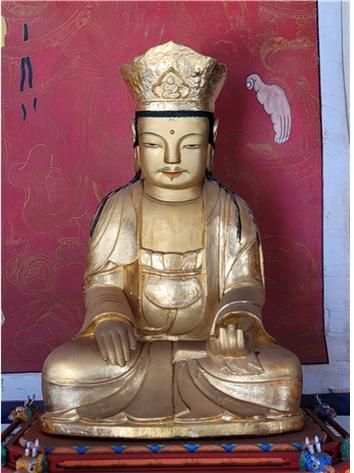
The “Seated Stone Shakyamuni Buddha Triad and Relics,” created in 1682 by master sculptor monk Seungho and his contemporaries, has long been regarded as one of the finest examples of late Joseon Buddhist art. Crafted from bulseok, a silicate stone commonly used in the Gyeongsang region at the time, the triad is considered the earliest of Seungho’s works for the temple’s Daegwangjeon Hall.
The statues follow the “Yeongsanhoe Triad” arrangement, with Shakyamuni Buddha seated at the centre and flanked by attendant Bodhisattvas. This composition was confirmed through an inscription discovered inside the right Bodhisattva figure, recording the vow of creation.
Alongside the statues, 17 relics have also been preliminarily designated as treasures. These include scriptures spanning the late Goryeo to early Joseon periods, such as the Prajnaparamita Sutra of 1387, the Bulseol Amitagyeong of 1466, and the Myobeop Yeonhwagyeong of 1561. Ritual objects like the Huryongtong, Hwangchopokja and Obopyeong further enhance the collection’s completeness, offering rare insight into 17th‑century enshrinement practices.
The designation process requires a minimum 30‑day notice period, during which the National Heritage Administration will gather expert and public opinion before the Cultural Heritage Committee makes its final decision.
An official from Yangsan City emphasised the importance of the recognition: “It is deeply meaningful that this cultural heritage, preserved in its original site for more than 340 years, is now being acknowledged for its value. We will ensure all procedures are completed smoothly and continue our efforts for systematic preservation and management.”
If confirmed, the triad and relics will join Korea’s most revered cultural assets, underscoring the enduring legacy of Buddhist artistry in the late Joseon era.
About the Author