Hidden in the foothills of the Margalla Hills near Islamabad, the ancient Shah Allah Ditta caves are emerging as one of Pakistan’s most fascinating heritage sites, where traces of Buddhist, Hindu and Islamic history converge in a single landscape.
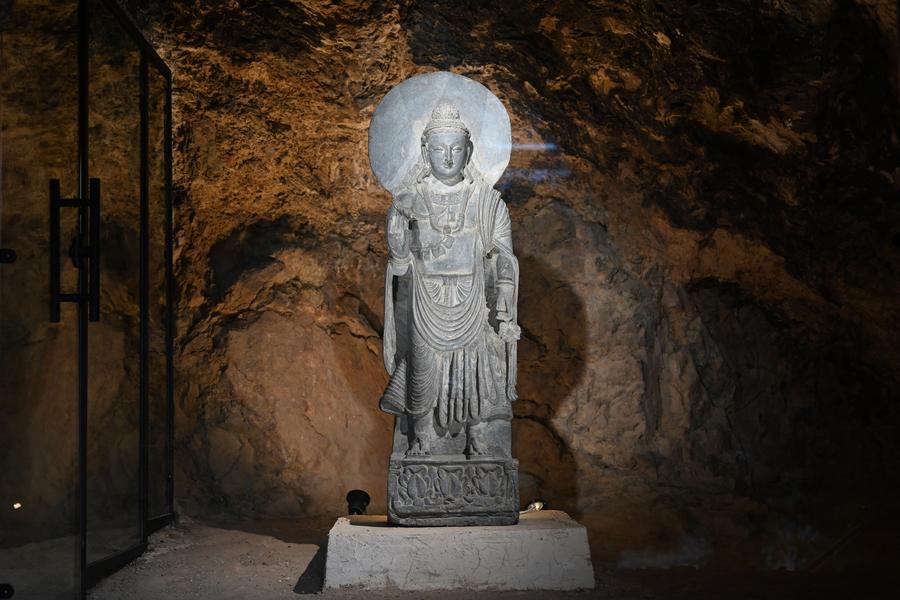
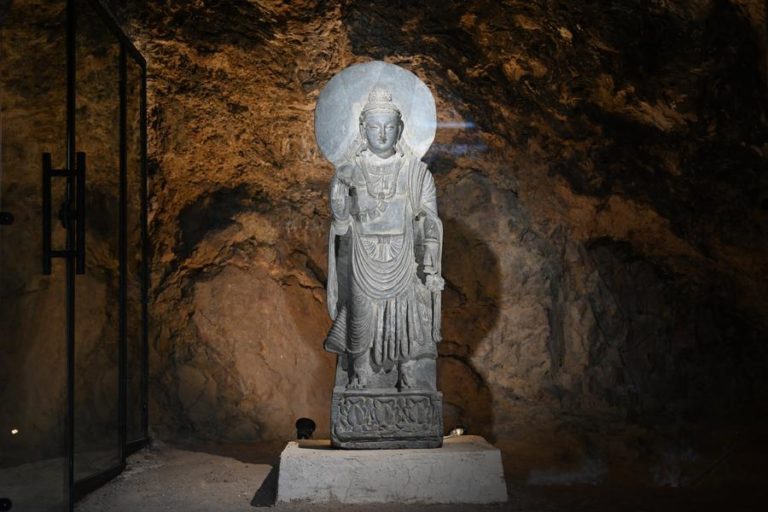
The caves recently featured in photographs published by China’s Xinhua news agency, showcasing a serene archaeological site adorned with Buddhist-era carvings and surrounded by lush greenery. Located about 14 kilometres from central Islamabad, the complex offers visitors a glimpse into a past that stretches back more than two millennia.
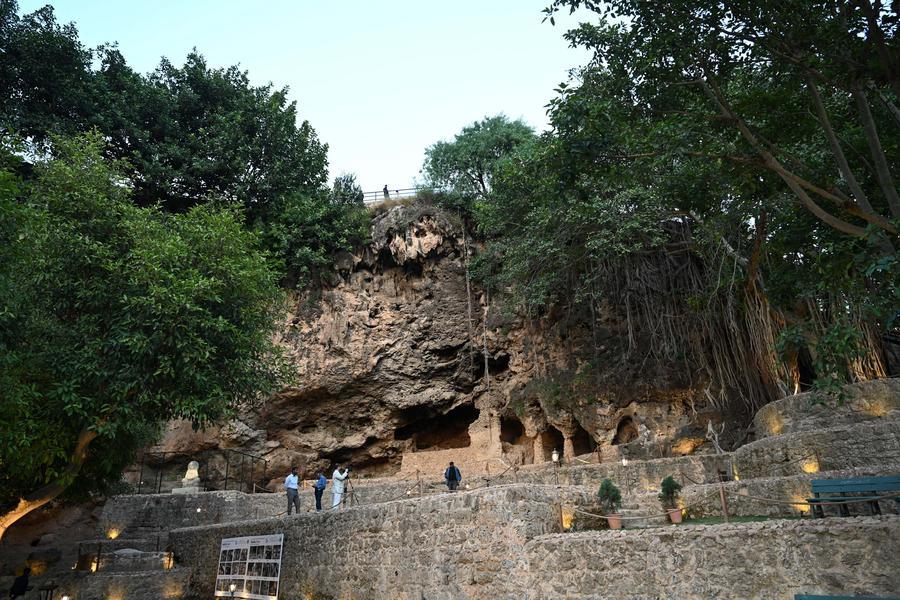
Archaeologists and historians believe the caves were first used by Buddhist monks as meditation retreats and monastic shelters. Later, Hindu holy men and Muslim ascetics also occupied the site, making it a rare example of a location shared by successive religious traditions over centuries.
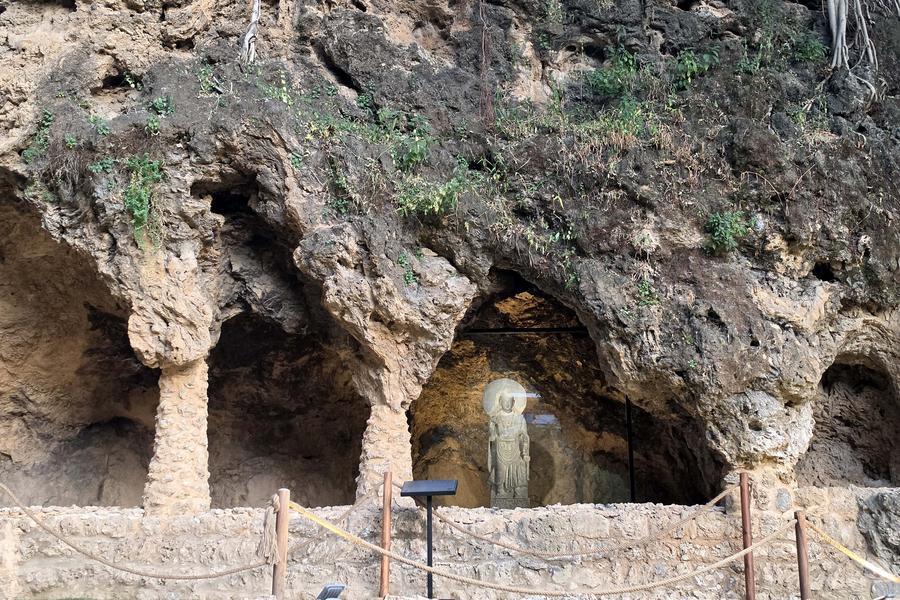
The caves are associated with the ancient Gandhara civilisation, the Buddhist kingdom that flourished across parts of present-day Pakistan and Afghanistan. Surviving Buddha carvings and murals on the cave walls remain among the site’s most important features, attracting both pilgrims and history enthusiasts.
Shah Allah Ditta’s historical significance extends beyond religion. The village lies on an ancient route linking Kabul and Taxila, one of the great centres of Buddhist learning in antiquity. Local traditions claim that travellers ranging from Alexander the Great to Sher Shah Suri passed through the area, although historians treat some of these accounts with caution.
Today, visitors can explore the caves, a natural spring, old water channels and remnants of historic structures nestled among rocky cliffs and mature trees. The peaceful setting offers a stark contrast to the bustle of nearby Islamabad.
Recognising the site’s cultural value, Pakistani authorities have launched preservation efforts in recent years, while international partners, including Japan, have expressed interest in supporting conservation work.
For a country often associated with the spectacular Buddhist ruins of Taxila, Shah Allah Ditta provides a quieter but equally compelling reminder of Pakistan’s rich and layered heritage, where ancient faiths and centuries of history remain etched into the stone walls of the Margalla Hills.
About the Author