Phnom Penh – Cambodia has unveiled a monumental triumph of cultural preservation: the complete restoration of a 1,000-year-old “Dancing Shiva” statue, shattered into more than 10,000 fragments centuries ago.
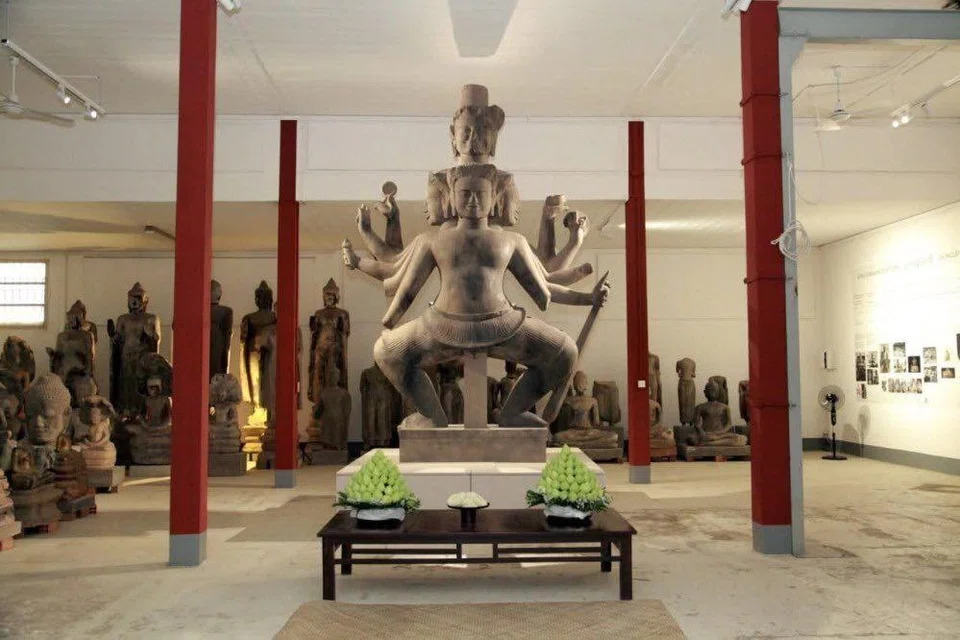
Standing five metres tall and weighing seven tonnes, the sandstone sculpture – with ten arms and five faces – was originally created in the 10th century at Koh Ker, once the capital of the Khmer empire. The temple ruins of Koh Ker were added to UNESCO’s World Heritage list in 2023, underscoring their global significance.
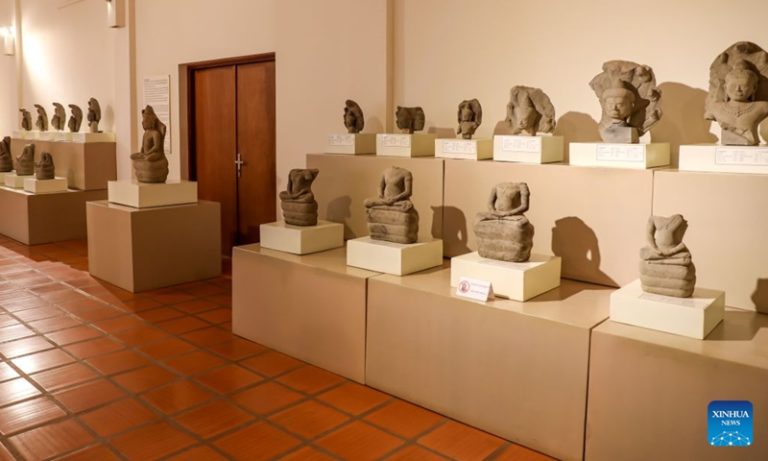
The statue was presented on 18 March at the Angkor Conservation Centre in Siem Reap, near the famed Angkor Wat. Cambodian experts, working alongside the French School of the Far East (EFEO), spent five painstaking years piecing the fragments back together. Their work involved cataloguing 2,750 sculpted pieces and identifying more than 700 joins.
According to Cambodia’s culture ministry, the statue was toppled in the 14th century and later shattered by looters during years of civil war. “This restoration stands as a powerful testament to the efforts undertaken to ensure that looters do not have the final say,” the ministry and EFEO said in a joint statement.
Officials hope the sculpture will eventually return to Koh Ker, drawing more visitors to the site and strengthening Cambodia’s cultural tourism. The unveiling also comes amid a wider effort to reclaim heritage: in February, Cambodia welcomed back 74 artefacts once trafficked abroad by the notorious British antiques dealer Douglas Latchford.
Thousands of relics are believed to have been smuggled out of the country between the 1960s and 1990s, a period marked by civil war and the Khmer Rouge regime, when cultural treasures were left vulnerable.
The rebirth of the Dancing Shiva is more than an archaeological achievement – it is a symbol of resilience, reclaiming Cambodia’s heritage from centuries of loss and reminding the world of the enduring legacy of the Khmer empire.
About the Author