From quiet corners of suburban lawns to elaborate water features, Buddha statues have become a familiar sight in gardens. For many, they symbolise peace and mindfulness. Yet for others, their casual use raises questions of respect and cultural sensitivity.
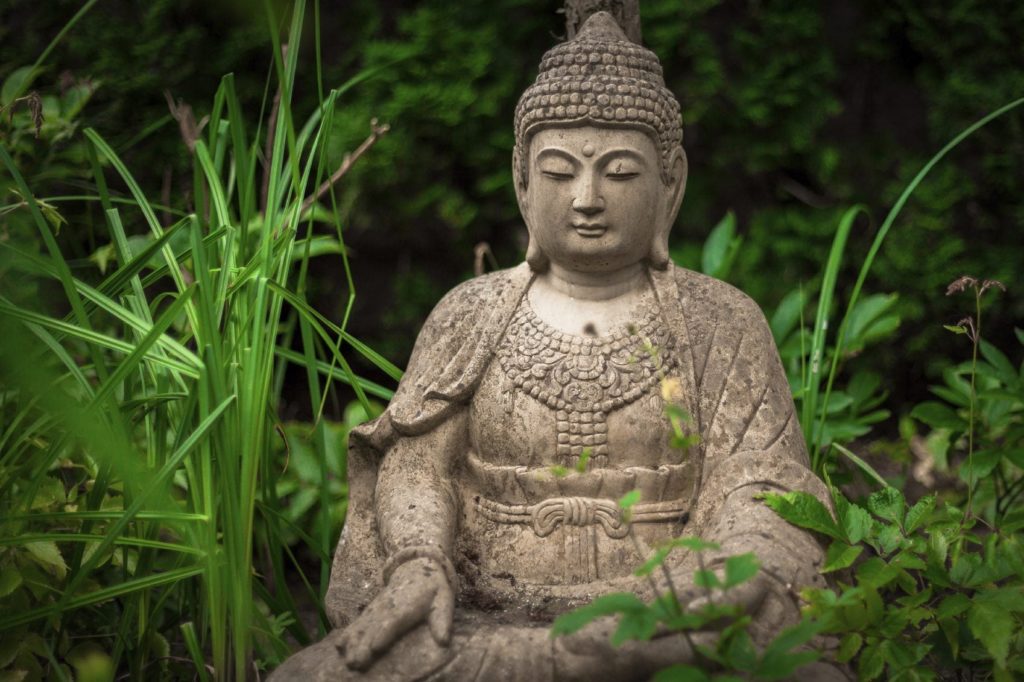
Supporters say the statues create a calming atmosphere, much like wind chimes or fountains. The serene image of the Buddha — closed eyes, gentle posture — has become a universal shorthand for stillness and balance. Homeowners often insist their choice is not religious, but simply a way to foster tranquillity in outdoor spaces.
But critics, including practising Buddhists, argue that treating sacred images as decoration risks misunderstanding or trivialising their meaning. Concerns range from statues placed directly on the ground to mass‑produced ornaments stripped of cultural context. Some point out that in Buddhist traditions, placement and treatment of such figures carry deep significance.
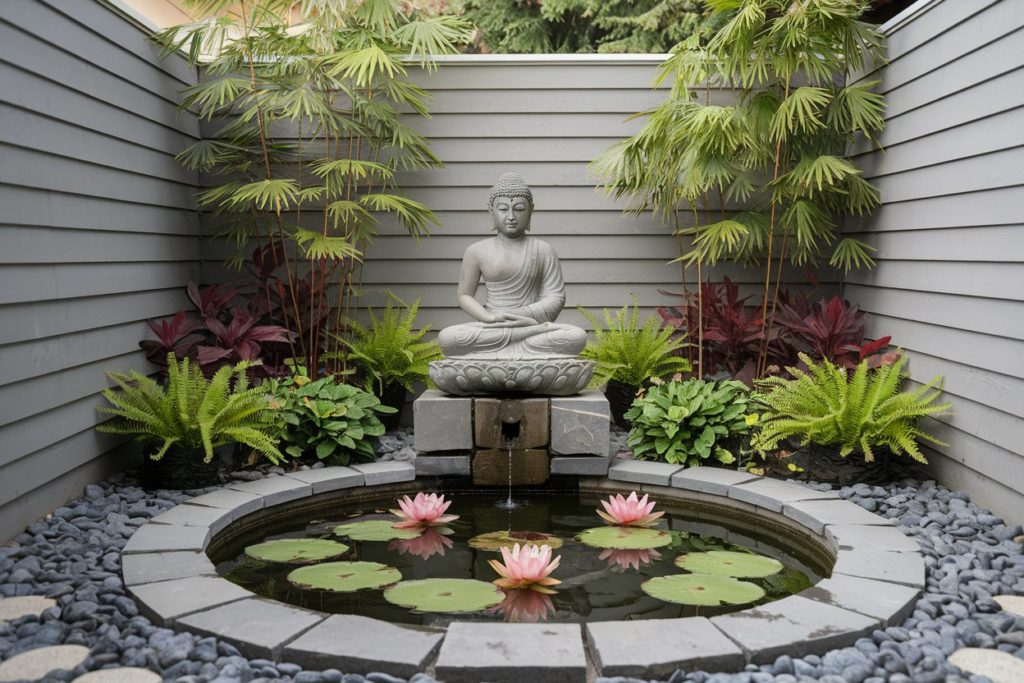
The popularity of Buddha statues in gardens owes much to design trends. They fit seamlessly into minimalist landscaping, Zen‑inspired layouts and natural “slow living” spaces. Their simplicity and symmetry make them easy to incorporate, which explains their widespread appeal beyond Buddhist communities.
Interestingly, many gardeners land somewhere in the middle. They believe intention matters: if a statue serves as a reminder to slow down, be kind or create a peaceful environment, it can be positive. But they also stress the importance of learning about its meaning and avoiding uses that could be seen as disrespectful.
The debate reflects a broader shift in gardening. Outdoor spaces are increasingly seen as extensions of personal values and identity — whether through pollinator‑friendly planting, meditation corners or cultural symbols. What feels calming to one person may feel careless to another.
Ultimately, there is no single answer. For some, a Buddha statue is a universal symbol of peace. For others, it demands cultural and spiritual consideration. What is clear is that the search for calm is driving its presence in gardens worldwide.
About the Author