At the Luoyang Museum in Henan Province, a fragment of history continues to captivate visitors: the serene half‑face of a clay Buddha statue dating back some 1,500 years.
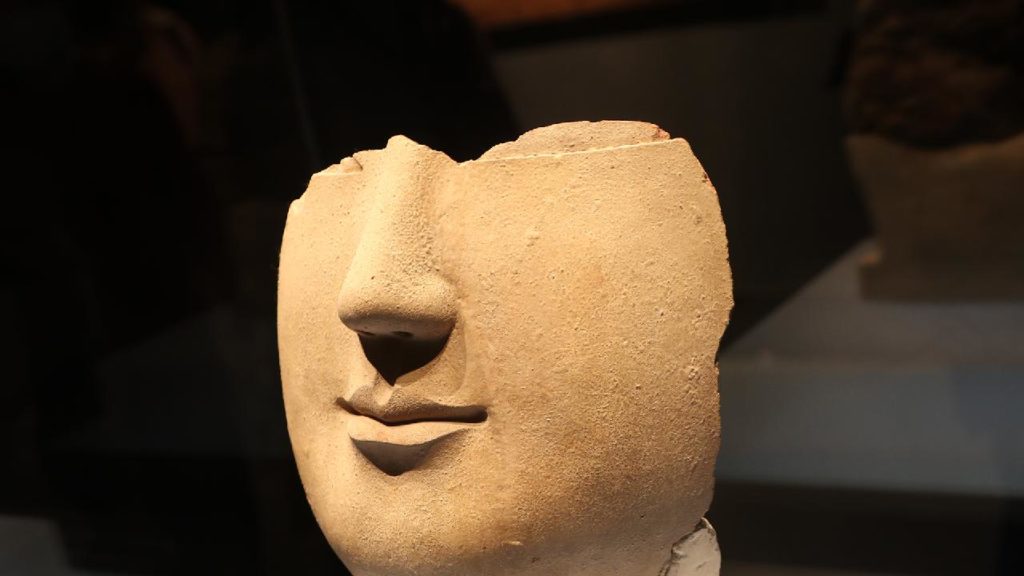
The piece, from the Northern Wei Dynasty, was excavated at the foundation site of Yongning Temple in Luoyang. Though only part of the face survives, the gently upturned lips still convey a quiet smile, a reminder of the timeless power of expression.
Standing 24.5 centimetres tall, the reconstructed fragment was pieced together from two surviving sections. Archaeologists believe the contours of the lips were shaped using a single‑stroke sculpting technique, a hallmark of artistry from the era.
Experts estimate that if the statue had remained intact, the full face would have measured 40 to 50 centimetres, while the complete figure could have reached three metres in height. That scale suggests it may once have been the largest Buddha image at Yongning Temple, a site central to Buddhist life during the Northern Wei period.
For visitors today, the fragment is more than an archaeological treasure. It is a glimpse into the spiritual and artistic traditions of ancient China, where sculptors sought to embody compassion and serenity in clay. The smile, though weathered by centuries, continues to resonate as a universal symbol of peace.
The Luoyang Museum regards the statue as one of its most treasured artefacts, preserving not only the artistry of the Northern Wei but also the enduring human impulse to communicate through expression. In the quiet curve of the lips, the past still speaks—reminding us that some emotions transcend time and culture.
About the Author