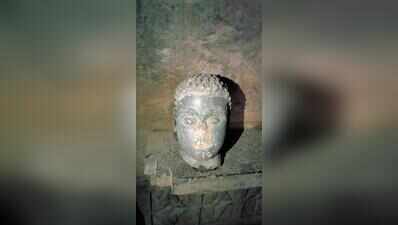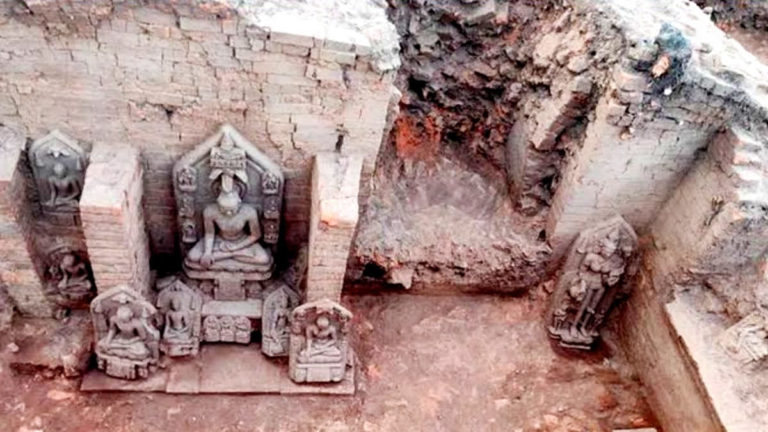
A remarkable discovery has been made at Wat Laem Tai in Chachoengsao province, where dozens of ancient Buddha statues have been unearthed beneath the base of a century‑old stupa.
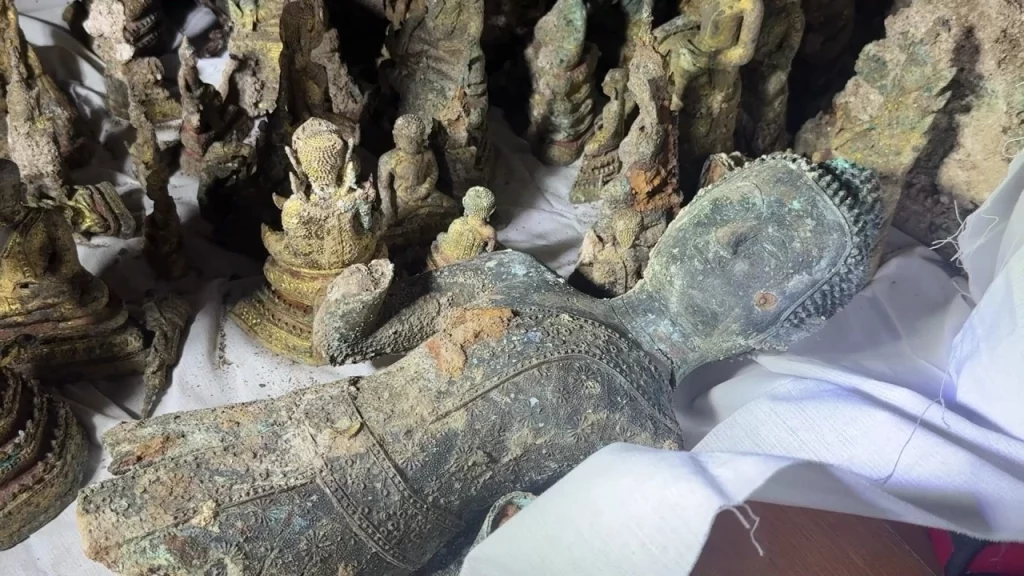
The find came on 24 May as workers began restoring the cracked and leaning structure, which locals feared might collapse. Excavation revealed hidden chambers beneath the stupa, each containing statues crafted from brass, silver, wood and gilded materials, believed to date back more than 100 years to the early Rattanakosin period.
Abbot Phra Khru Thammathorn Jamlong Rojanathammo explained that the stupa likely originated during the reigns of King Rama III or IV. While Wat Laem Tai itself was formally established in 1933, elderly residents recall the stupa standing long before the temple was founded. Historical experts, including 88‑year‑old Phra Thammapariyatmuni, have confirmed the artefacts’ age and distinctive craftsmanship.
The statues have now been moved to safe storage within the temple grounds, with plans to clean and preserve them for display in a dedicated museum. The abbot stressed that the relics will not be offered for rent or sale, describing them as sacred property of the temple and a spiritual anchor for the community.
Local residents have flocked to the site since news broke, many expressing deep reverence at seeing the relics uncovered. Some admitted to seeking auspicious numbers from the statues, hoping for luck in upcoming lottery draws.
The discovery has sparked renewed interest in the temple’s history, with scholars noting similarities between the stupa’s design and that of nearby Wat Pitulathiraj Rangsarit, suggesting they may have been built by the same craftsmen. For the community, however, the find is less about architectural lineage and more about reconnecting with a living heritage.
As restoration continues, Wat Laem Tai plans to open its museum to the public, offering visitors the chance to pay respects and learn about the region’s Buddhist past. For many, the unearthed statues are not only relics of faith but also a reminder of the enduring cultural roots that still shape everyday life in Chachoengsao.
About the Author