A 17th‑century Buddhist statue has undergone its first “health checkup” in Seoul, uncovering relics hidden inside its head for centuries.
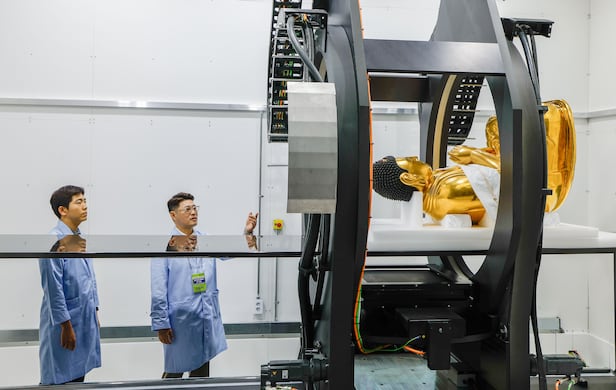
Curators at the National Museum of Korea used the world’s largest cylindrical CT scanner to examine the Jijangam Wooden Seated Vairocana Buddha Statue, a 1.2‑metre‑tall treasure from the Joseon era. The scan revealed votive objects, likely paper or fabric, rolled and preserved within the statue’s head.
The discovery is significant because earlier relics found in the statue’s body had been removed when it was acquired. This latest inspection shows that another set remained intact, offering fresh insight into the rituals and craftsmanship of the period.
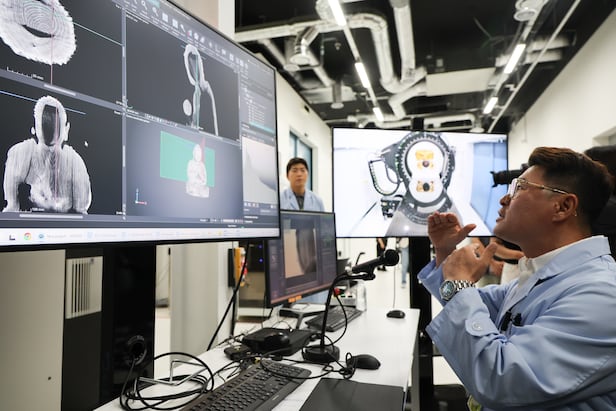
The CT scan also highlighted the statue’s construction techniques, including carving from a single log and attaching facial features separately. Tree‑ring analysis confirmed the wood was around 200 years old when used, underscoring the sophistication of Joseon artisans.
The German‑made scanner, costing 2.3 billion won, allows large artefacts to be examined without being rotated, reducing risk of damage. It can capture items up to 1.1 metres in diameter and three metres long, producing high‑resolution images. “Even fragile or newly excavated artefacts can now be safely scanned,” said Cheon Ju‑hyun, head of the museum’s Preservation Science Department.
Museum director You Hong‑june hailed the breakthrough as a turning point for conservation science. “Since 1976, when we began with nothing but a toothpick, our work has advanced to the world’s largest state‑of‑the‑art equipment,” he said.
The findings not only deepen understanding of Buddhist art but also demonstrate how cutting‑edge technology can safeguard cultural heritage. For scholars and the public alike, the hidden relics inside the Buddha’s head are a reminder that centuries‑old treasures still hold secrets waiting to be revealed.
About the Author