In a quiet Bhutanese monastery, the morning light catches a bamboo pen dipped in liquid gold. At its tip, Master Kezang Tshering, a senior monastic official, is shaping Sanskrit syllables—an art he has dedicated his life to preserving. For him, this is more than calligraphy; it is a living transmission of Buddhism’s sacred language.
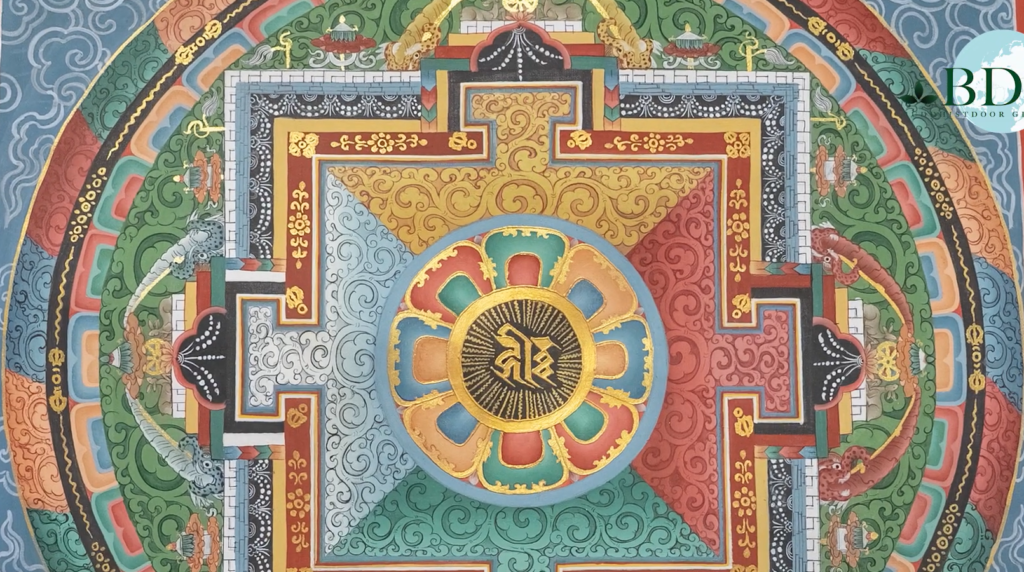
Sanskrit, often dismissed as a dead tongue elsewhere, remains central to Bhutan’s Vajrayana tradition. It is believed to carry the enlightened vibrations of the Buddha’s mind. To write or chant it is to connect directly with the Dharma. Kezang has trained hundreds of monks and royal volunteers, teaching them to inscribe mantras in gold, silver and black ink. Each stroke, he insists, is not just a letter but an offering.
Earlier this year, his luminous works—including a golden Kalachakra mantra and a Medicine Buddha encircled by healing syllables—were exhibited in Hong Kong. Visitors watched him demonstrate the craft, a rare chance to witness a tradition seldom taught outside the Himalayas. His art is not simply decorative; it is believed to generate merit, healing and transformation.
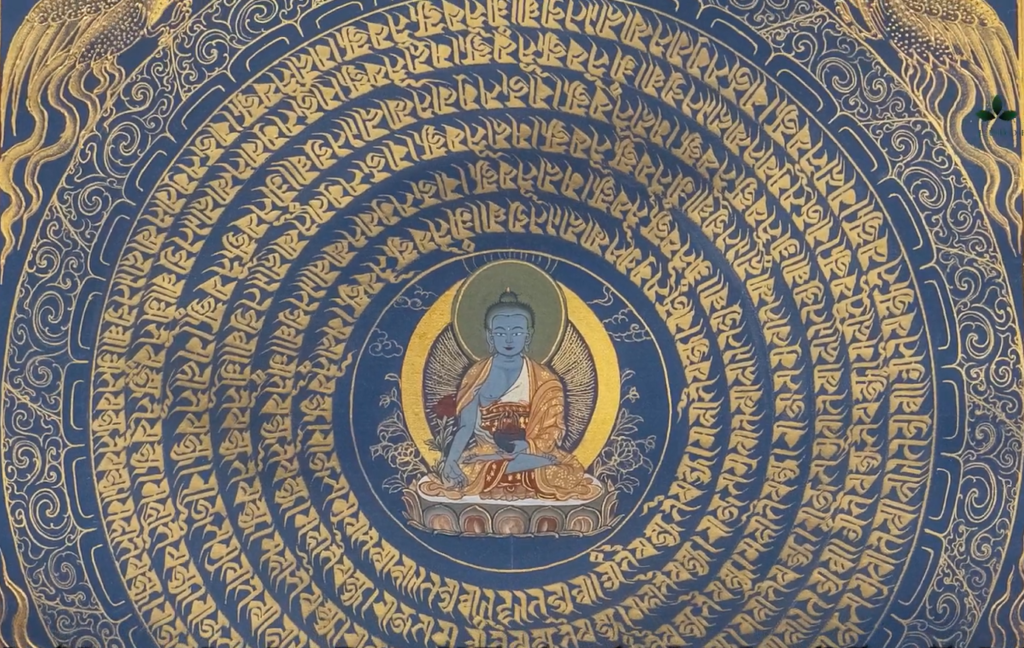
The practice has deep roots. While the Buddha once encouraged teaching in everyday languages, Sanskrit later became the medium of Mahayana philosophy and monastic universities such as Nālandā. When it faded in India, the Himalayas became its refuge. Bhutan’s monastic body has kept it alive, with calligraphy enshrined as a spiritual discipline.
For Kezang, the urgency is clear. “Among billions of people, only a few are fortunate enough to write Sanskrit Dharma teachings,” he says. “Writing mantras in Sanskrit is double in merit than writing ordinary words.” His students echo this devotion, describing each syllable as an offering to the Buddhas.
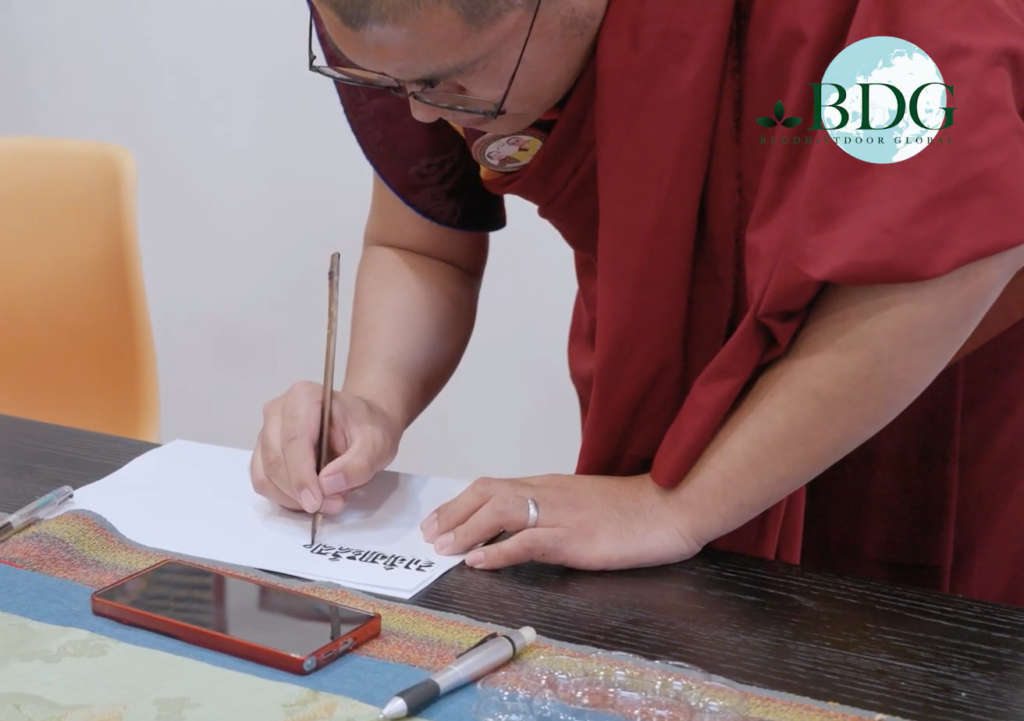
The monk’s mission is to ensure Sanskrit does not fade into relic. His gold calligraphy, shimmering with sacred resonance, is more than art—it is a bridge between past and future, heaven and earth. As his students take up bamboo pens, they continue a transmission that began in celestial realms and now rests in their hands.
For Bhutan, and for those touched by his teaching abroad, Master Kezang’s work is proof that Sanskrit still sings—and its echo will not end.
About the Author