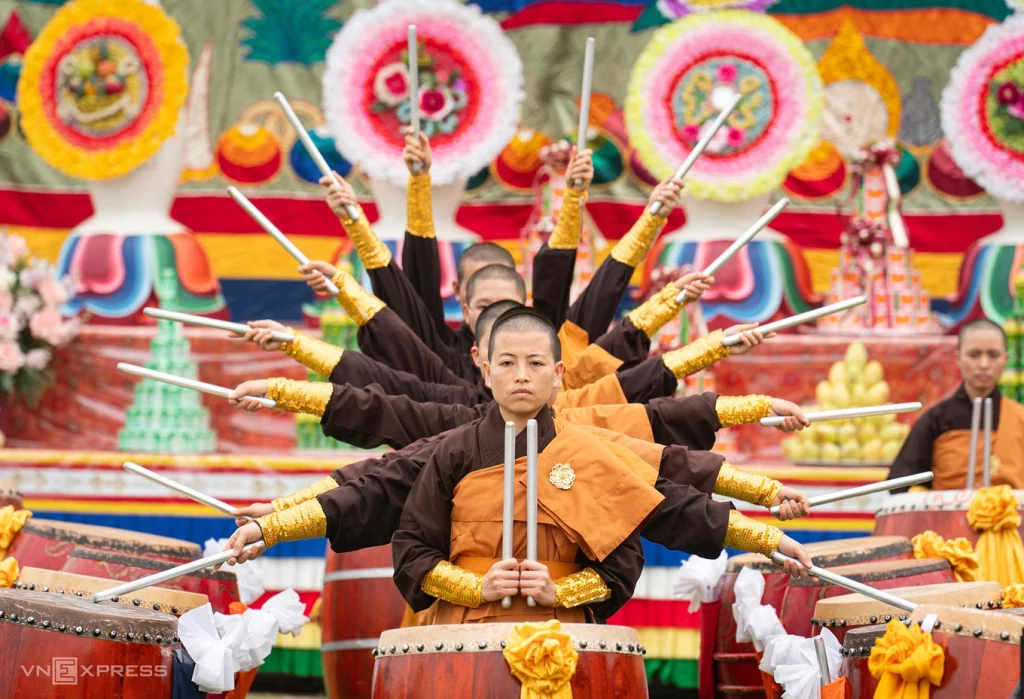
Vietnam has welcomed one of its most significant Buddhist events of the year, as the Vu Lan Festival unfolded at the Tay Thien Mandala in Phu Tho Province. Running from 12 to 19 August, the ceremonies were led by His Eminence Thuksey Rinpoche and a monastic delegation from the Drukpa Lineage in India, drawing hundreds of devotees to the northern province.
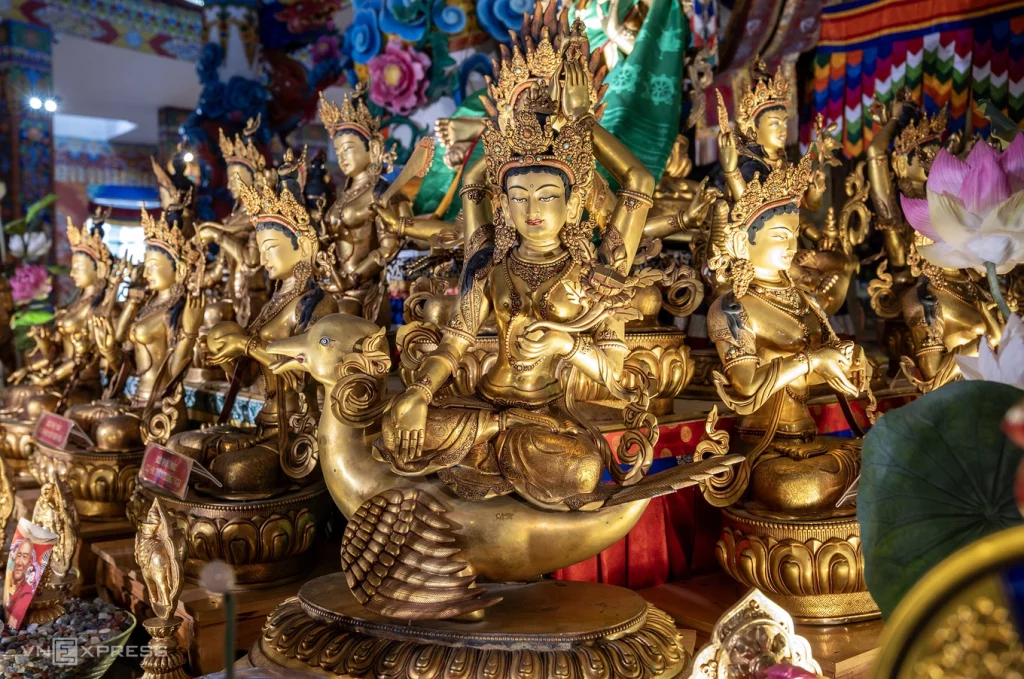
The festival, rooted in Vajrayana Buddhist tradition, featured a series of elaborate rituals. Early in the week, monks conducted the Amitayus‑jnana ceremony, a rare practice dedicated to health, longevity and peace. This was followed by the Tara Yuldog ritual, invoking compassion and protection from obstacles, with Tara’s 21 manifestations symbolising different enlightened activities.
On 16 August, the focus shifted to remembrance. The Jangwa Grand Ceremony offered purification prayers for the deceased, including fallen soldiers who gave their lives for Vietnam’s independence. The week concluded with a powerful Medicine Buddha empowerment, symbolising healing and renewal, and prayers for peace across the community.
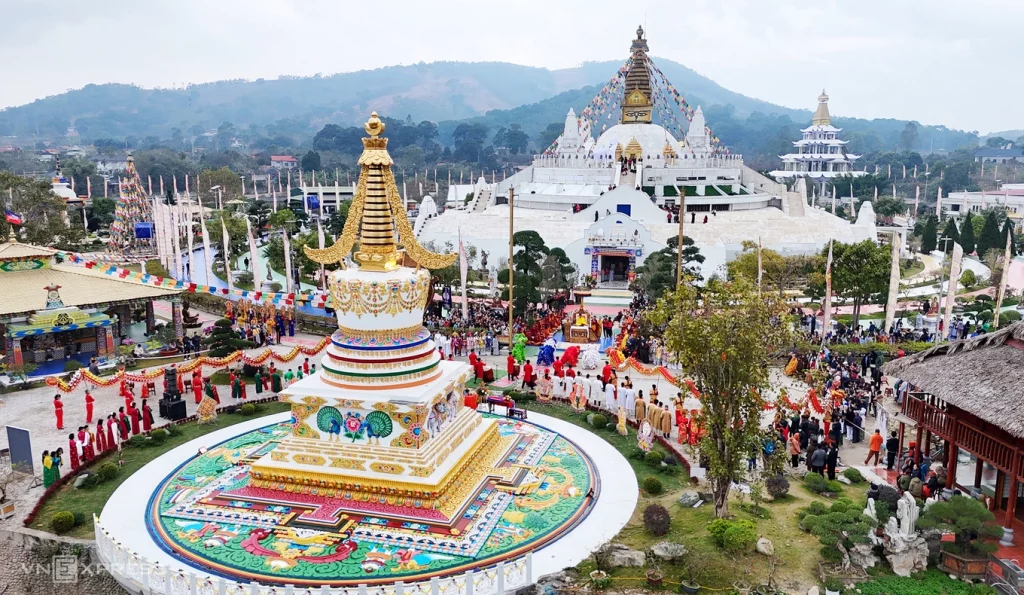
The Tay Thien Mandala, where the ceremonies took place, is a striking Vajrayana complex inspired by Himalayan architecture. Its stupas, monastic quarters and landscaped grounds form a symbolic mandala representing the “Five Elements and Five Wisdoms”.
The Drukpa Lineage, which presided over the festival, is a major tradition within Vajrayana Buddhism with roots stretching back nearly a millennium. It has played a central role in shaping Bhutan’s spiritual heritage, and its teachings continue to influence Buddhist practice across Asia.
For many in Vietnam, Vu Lan is both a spiritual and cultural occasion, blending prayers for ancestors with rituals aimed at fostering compassion and resilience in daily life. This year’s ceremonies, under the guidance of Thuksey Rinpoche, highlighted the growing importance of Buddhist values in addressing modern challenges, from personal well‑being to collective harmony.
The festival’s closing prayers dedicated merit not only to participants but to “all sentient beings”, reflecting the universal scope of Vajrayana practice. As the sun set over Phu Tho Province, the week‑long gathering left devotees with a renewed sense of connection — to their faith, their community, and the wider world.
About the Author