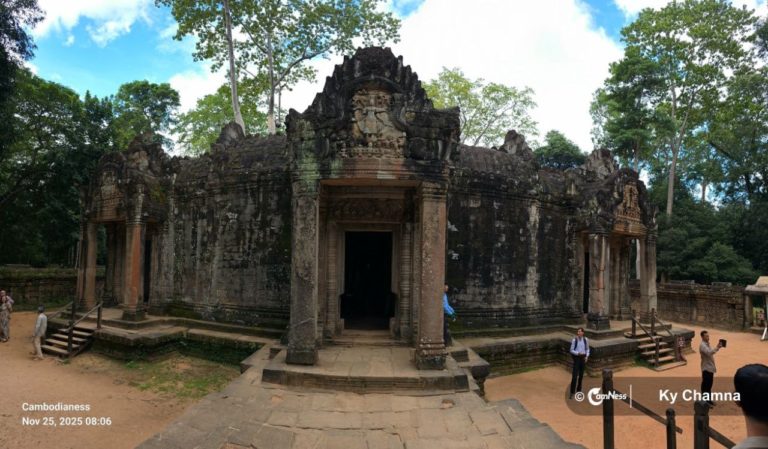
SIEM REAP – Deep within Ta Prohm temple, where giant tree roots entwine ancient stone, the Hall of Dancers has become a striking symbol of cultural diplomacy between Cambodia and India.
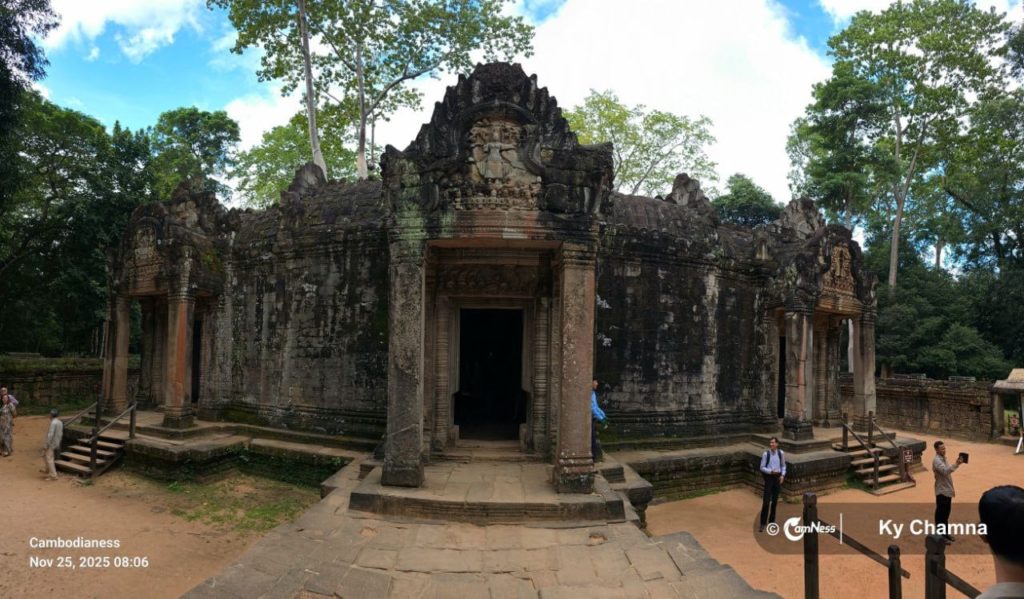
The 12th‑century pavilion, famed for its apsara carvings and intricate vaults, had fallen into ruin after centuries of neglect. In 2004, the Archaeological Survey of India (ASI) began a painstaking restoration that would last nearly two decades. Using anastylosis, the team reassembled collapsed pillars, vaults and porches with original stones, reinforcing fragile blocks with modern techniques while preserving authenticity.
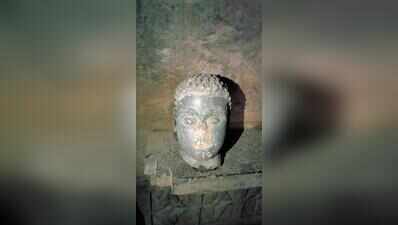
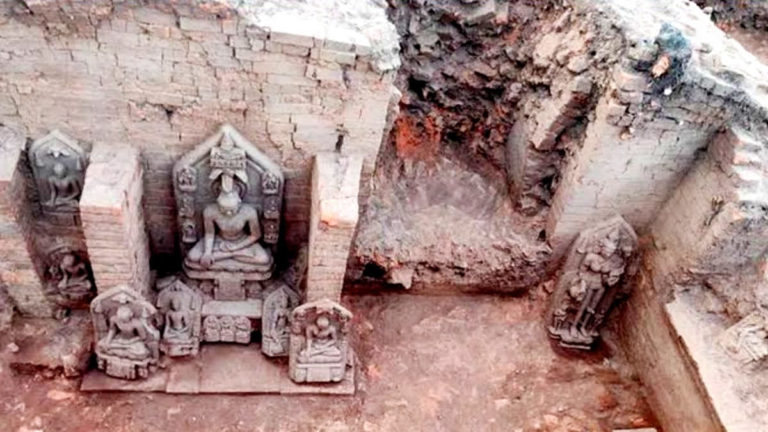
Archaeologists uncovered a damaged seated Buddha near the eastern porch, evidence of past religious conflict. The statue has since been reconsecrated, reflecting the temple’s layered history of Buddhist and Hindu traditions.
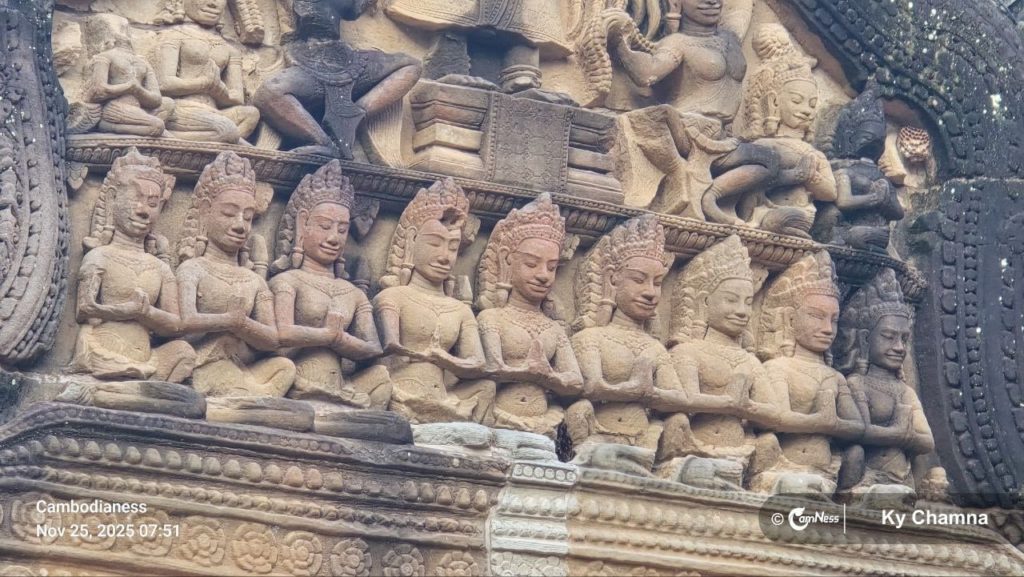
The Hall of Dancers, measuring 31 by 21 metres and supported by 96 pillars, now stands renewed. Its bas‑reliefs of apsaras, garudas and nagas highlight the artistry of Angkor, while its restored courtyards and galleries allow light to filter through once again.
Experts from ICC‑Angkor oversaw the work, stressing that conservation is about balance—preserving both nature and culture. “Monuments are testaments to a civilisation,” said Mounir Bouchenaki, former UNESCO official, noting that time’s touch is part of their story.
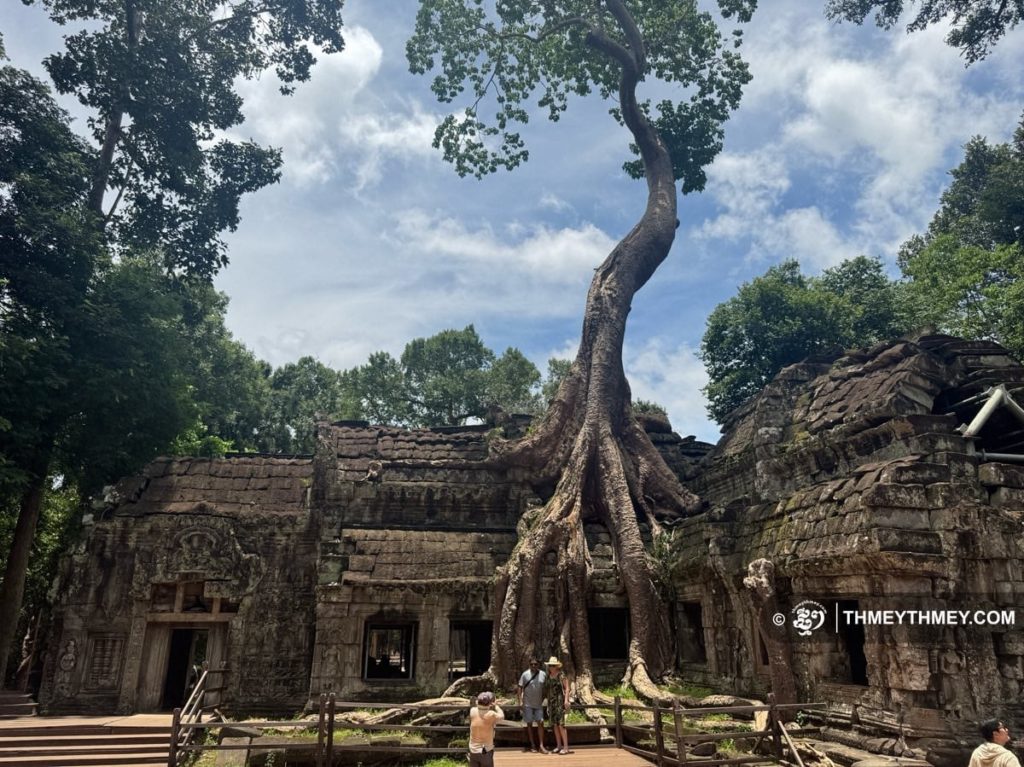
Ta Prohm, often remembered for its dramatic tree‑covered towers, is more than a photogenic ruin. Its restoration underscores Cambodia’s commitment to safeguarding heritage and India’s role in supporting conservation across Asia. Together, they have ensured that the Hall of Dancers remains not only a marvel of Khmer engineering but also a living bridge of shared culture and diplomacy.
About the Author