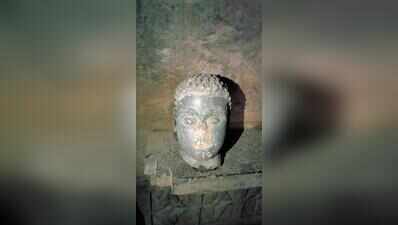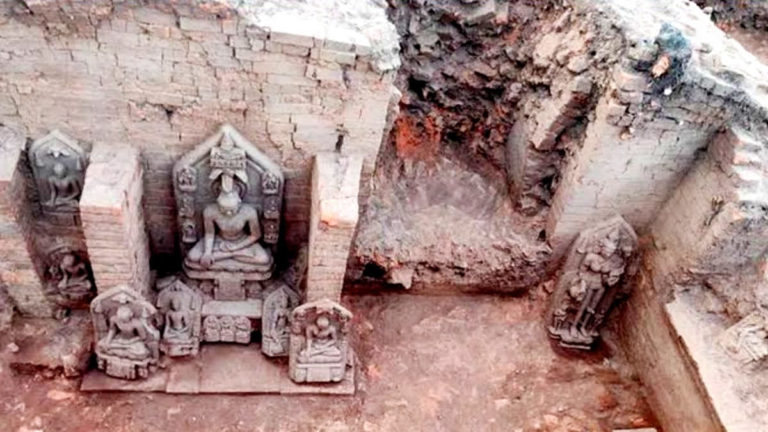
Sri Lankan archaeologists have uncovered 17 gold‑plated Buddha statues at Anuradhapura, the country’s ancient capital, in what experts describe as the most significant find in more than three decades.
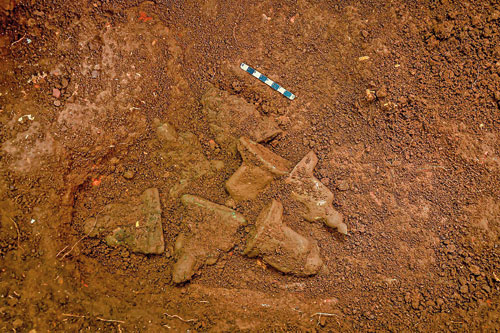
The discovery was made on 18 August during excavations at the Abhayagiri temple complex, a UNESCO World Heritage site in the island’s north‑central region. The statues, bronze figures coated in gold, are thought to date back 1,200 to 1,300 years, with stylistic features resembling artefacts from the seventh and eighth centuries.
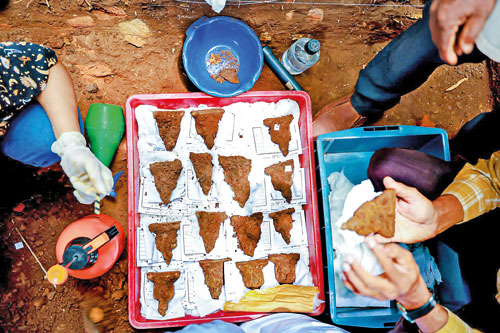
Project manager Thusitha Herath, from the government’s Central Cultural Fund, said: “We have found artefacts before, but this is the first time we have seen such a large number of statues.” The items have been sent for testing and are expected to go on public display within a month.
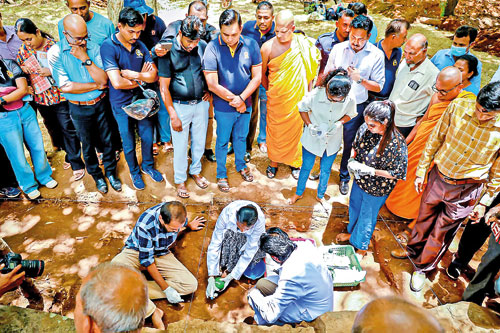
The Sacred City of Anuradhapura has been listed as a UNESCO site since 1982, with excavations continuing under strict conservation rules. The area was once a thriving centre of Buddhist scholarship, attracting monks and pilgrims from across Asia, including China and India. It embraced Theravada, Mahayana and Vajrayana traditions, reflecting the diversity of Buddhist practice at the time.
The find underscores the historical importance of Anuradhapura, which served as Sri Lanka’s capital for more than a millennium. Archaeologists say the statues were buried at random within the temple grounds, suggesting they may have been hidden during periods of conflict or upheaval.
For Sri Lanka, the discovery is not only a cultural milestone but also a potential boost for tourism, which has struggled in recent years. Officials hope the statues will draw international visitors eager to see the treasures once the testing and conservation process is complete.
This rare excavation highlights how much of Anuradhapura’s ancient heritage remains beneath the soil, waiting to be revealed. For scholars and the public alike, the golden statues offer a glimpse into the island’s rich spiritual and artistic past.
About the Author