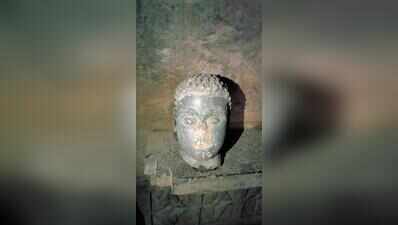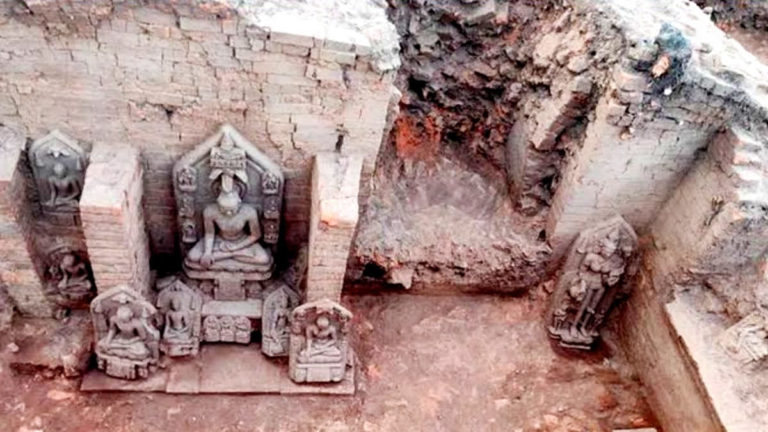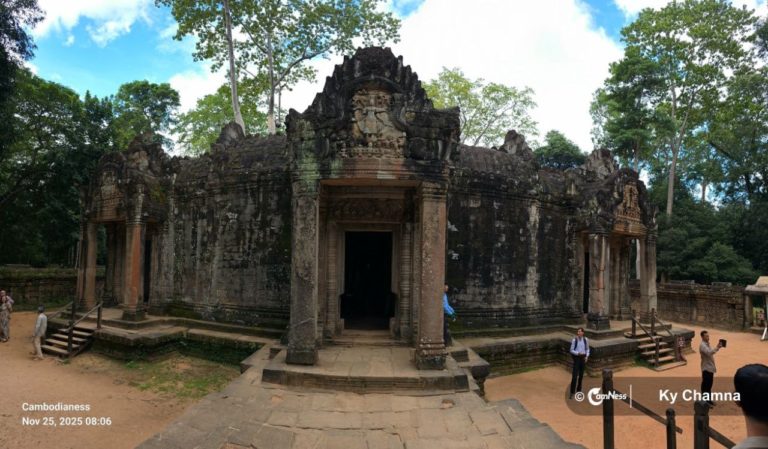
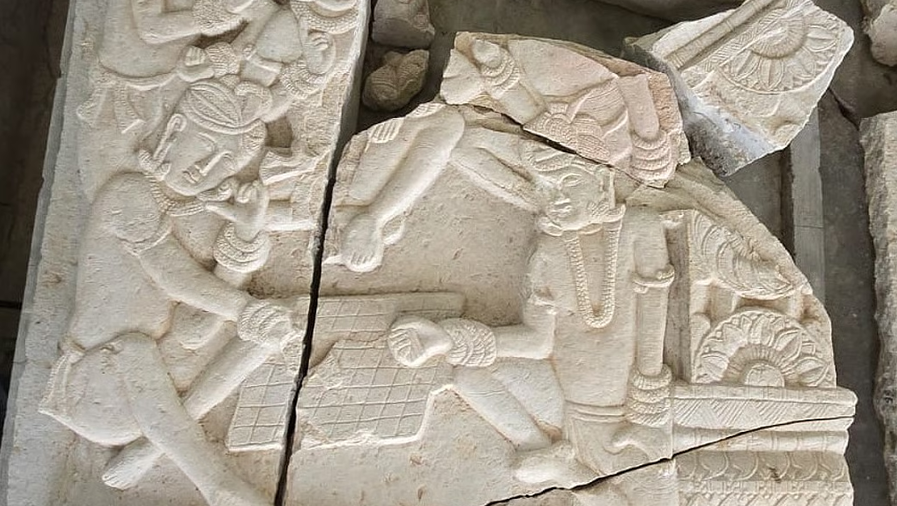
Sannati, Karnataka – A carved stone panel discovered at the historic Buddhist site of Sannati has shed new light on how ancient games were woven into religious storytelling. Archaeologists believe the relief depicts a pivotal gambling match from the Vidurapandita Jataka, one of the Buddha’s birth stories.
A rare find
Excavations by the Archaeological Survey of India in the 1990s revealed a limestone stupa, sculptural slabs and inscriptions dating to the Satavahana period. What makes Sannati exceptional is the survival of both images and inscriptions in abundance, offering scholars a unique window into early Buddhist art and narrative.
Among the panels is a scene showing players on what appears to be an 8×8 board, possibly Ashtapada, with dice in hand. The inscription links the scene directly to the Vidurapandita Jataka, recording it as a pious gift from a notable donor.
The story behind the game
In the Jataka, Vidhura, a wise minister of King Dhananjaya, becomes the stake in a high‑risk dice game. The Yaksa Punnaka wagers a magical jewel and horse, eventually winning Vidhura himself. Taken to the Naga court, Vidhura teaches that his true “heart” is wisdom and virtue, not a physical organ. His insight transforms Punnaka, who gains Princess Irandati’s hand, while Vidhura is returned honourably to his king.
Games and dharma
Early Buddhist texts such as the Brahmajala Sutta mention games played on 8×8 and 10×10 boards, often as activities discouraged for monks. Yet here, the game is not mere pastime – it becomes the turning point through which dharma is revealed.
Cultural resonance
Jatakas were carved and painted on monuments to serve as moral lessons and devotional narratives. The Sannati panel shows how everyday practices like gaming were integrated into stories of risk, wisdom and transformation. It reminds us that play was never just entertainment, but a medium through which ethics and memory travelled across generations.
About the Author