In southern Taiwan, a vast Buddhist complex is drawing millions of visitors each year by blending ancient spiritual traditions with modern architecture, interactive exhibits and cutting-edge technology.
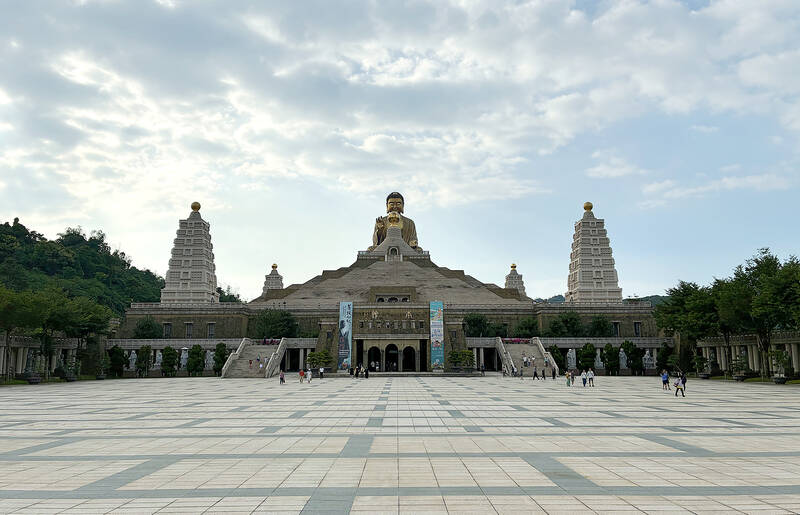
Located in Kaohsiung’s Dashu District, the Fo Guang Shan Buddha Museum has become one of Taiwan’s most remarkable cultural and religious destinations. Spanning around 100 hectares, the site attracts pilgrims, tourists and architecture enthusiasts alike, offering a unique journey through Buddhism’s past and present.
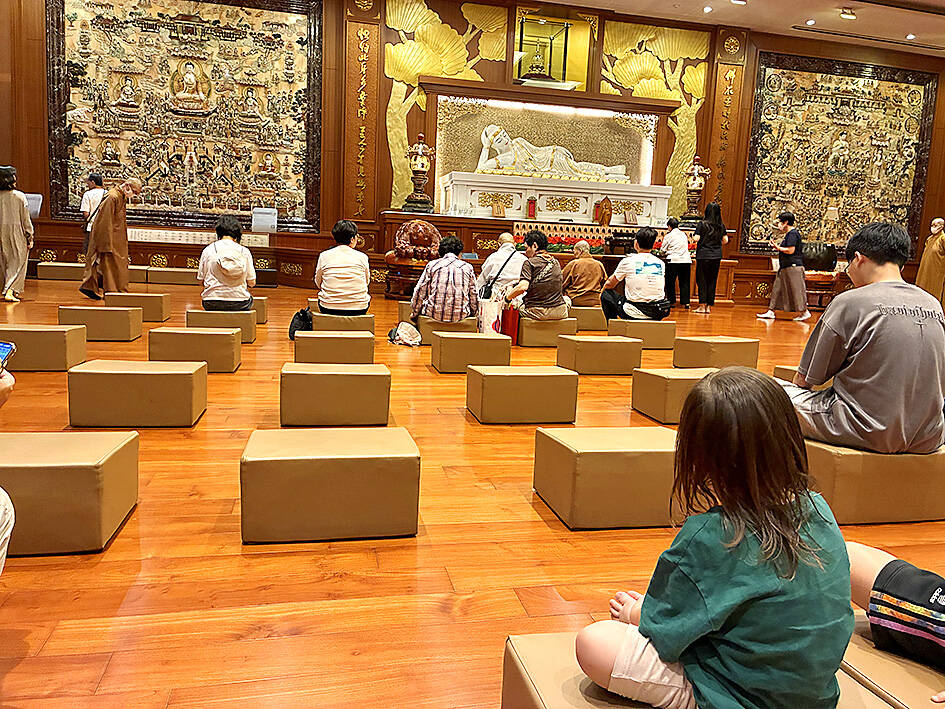
At the heart of the complex lies one of Buddhism’s most treasured relics: an authenticated tooth believed to have belonged to Sakyamuni Buddha, the founder of Buddhism. The relic was entrusted in 1998 to Master Hsing Yun, founder of the Fo Guang Shan monastic order, by Tibetan lama Kunga Dorje Rinpoche, who wished for it to be permanently enshrined in Taiwan.
The sacred artefact inspired a major expansion of the original monastery founded by Hsing Yun. After years of development, the Buddha Museum opened to the public in 2011, transforming the site into one of the world’s largest Buddhist cultural centres.
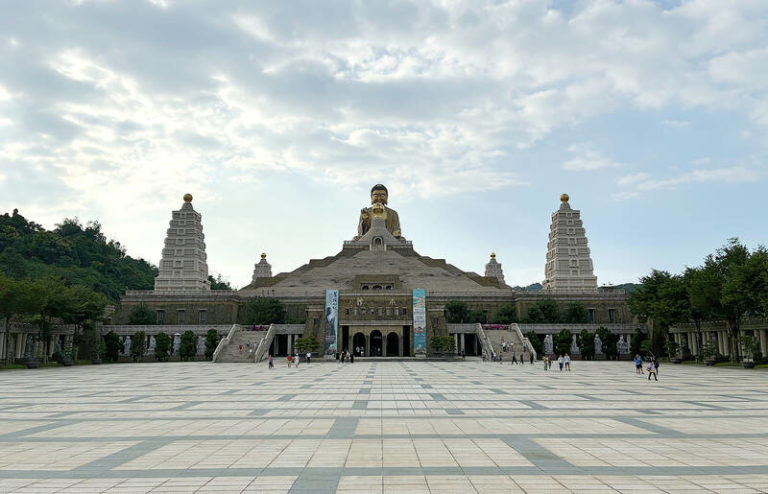
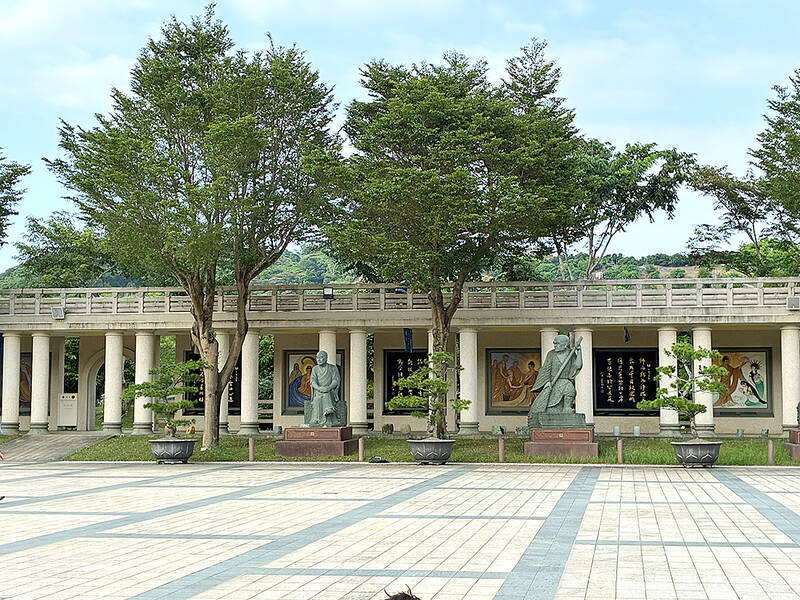
Visitors entering the museum pass through a grand avenue known as the Great Path, lined with Bodhi trees, colourful bougainvillea and eight Tibetan-style pagodas. Each pagoda features interactive displays designed to explain Buddhist teachings through engaging multimedia experiences.
The route leads to the imposing Main Hall, a vast structure combining traditional Buddhist symbolism with contemporary design. Inside, polished stone interiors, exhibition galleries, multimedia installations and a 2,000-seat auditorium showcase a modern interpretation of religious education.
Towering above the complex is the Fo Guang Big Buddha, a 108-metre golden statue that dominates the skyline and serves as a focal point for the entire site.
Beyond the museum itself, visitors can explore the Sutra Repository, home to Buddhist scriptures, and the original monastery, which includes a giant Buddha statue and elaborately decorated devotional spaces.
By combining sacred relics, monumental architecture and immersive technology, the Fo Guang Shan Buddha Museum offers far more than a traditional temple visit. It has become a symbol of how Buddhism continues to evolve, presenting centuries-old teachings in a way that resonates with modern audiences while preserving their spiritual significance.
About the Author