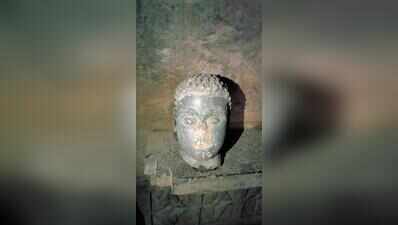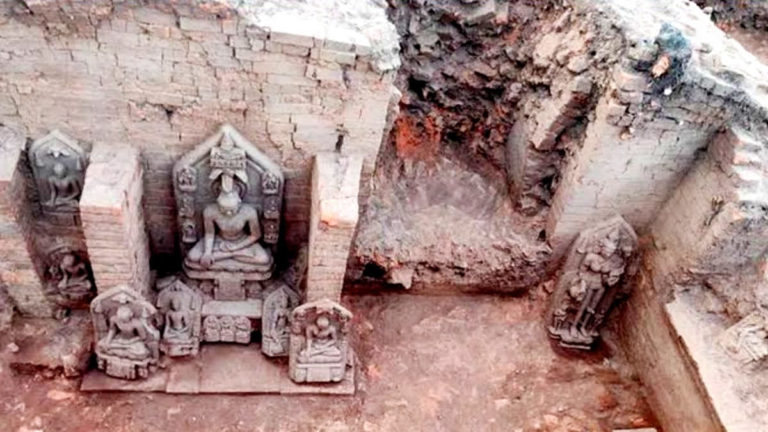
Cambodia has unveiled a remarkable collection of Angkor‑era Buddha statues and fragments, newly unearthed from the UNESCO‑listed Angkor Archaeological Park. The exhibition, now open at the Preah Norodom Sihanouk‑Angkor Museum in Siem Reap, showcases 274 sandstone pieces dating back to the late 13th century.
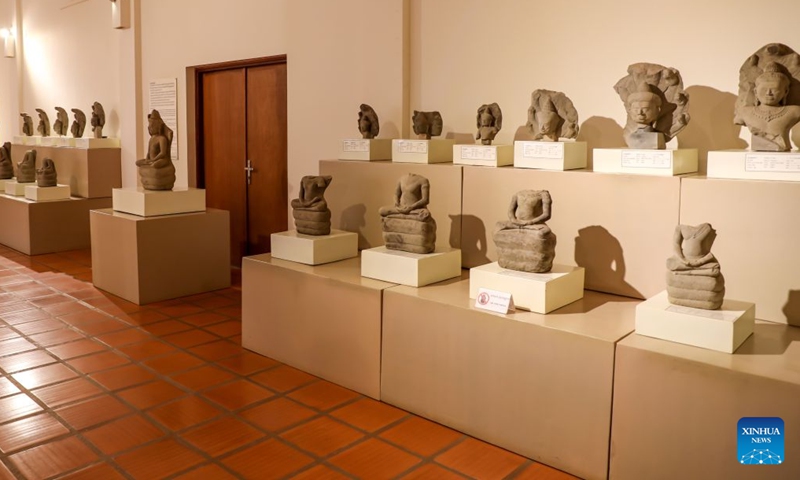
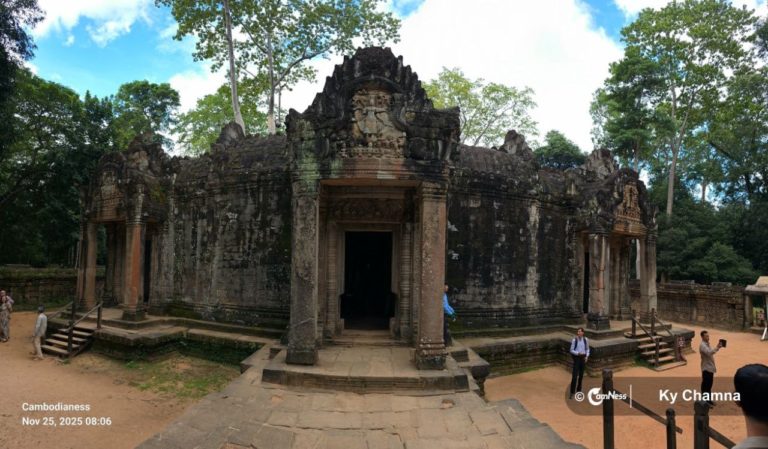
The statues were discovered during excavations at Banteay Kdei Temple and carefully restored by conservation specialists. According to the APSARA National Authority, the display highlights three distinct artistic styles of the Angkor period: Baphuon, Angkor Wat and Bayon.
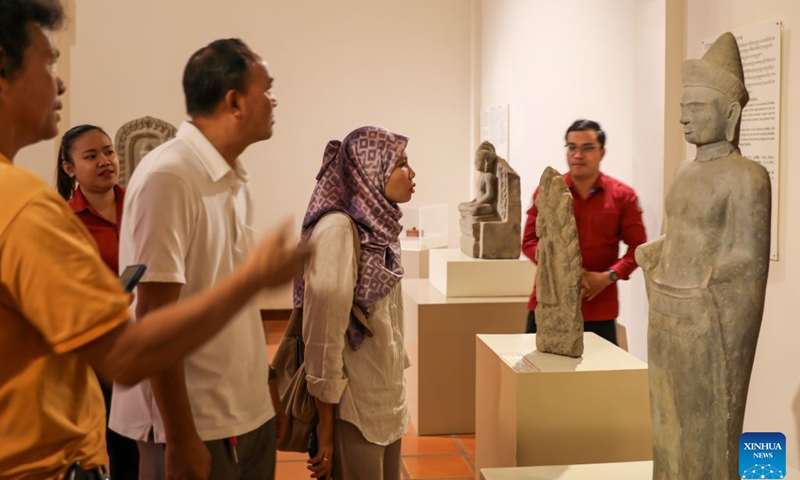
Museum staff explained that each style carries unique features. The Baphuon style depicts the Buddha sheltered beneath a naga, while the Angkor Wat style shows him adorned with a crown and jewellery. The Bayon style, by contrast, presents the Buddha in meditation with closed eyes.
“Selected intact Buddha images are now permanently exhibited, allowing visitors, students and researchers to appreciate the diversity and development of Khmer Buddhist art,” said Voeun Vibolsokhum, a museum specialist.
The exhibition offers a rare opportunity to trace the evolution of Mahayana Buddhist art across centuries, reflecting both resilience and creativity in Khmer culture. For Siem Reap, already home to Angkor’s celebrated temples, the unveiling adds another layer of historical depth to Cambodia’s cultural heritage.
With the statues now on public display, the museum hopes to attract scholars and tourists alike, reinforcing Angkor’s status as one of the world’s most significant centres of Buddhist art and history.
About the Author