In 2001, archaeologists uncovered hundreds of buried Buddha statues at Banteay Kdey temple in Siem Reap, a discovery that reshaped understanding of Cambodia’s religious past.
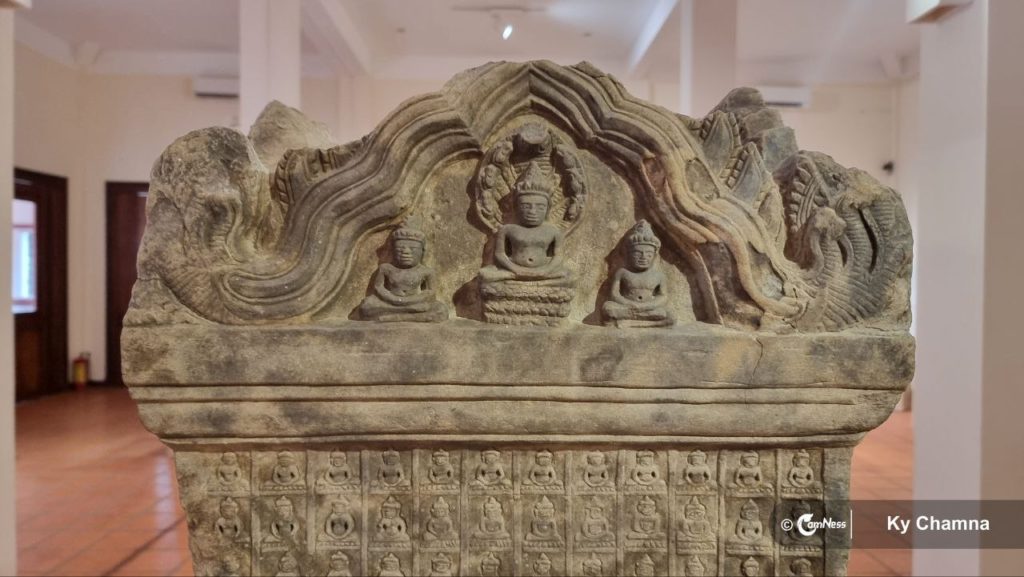
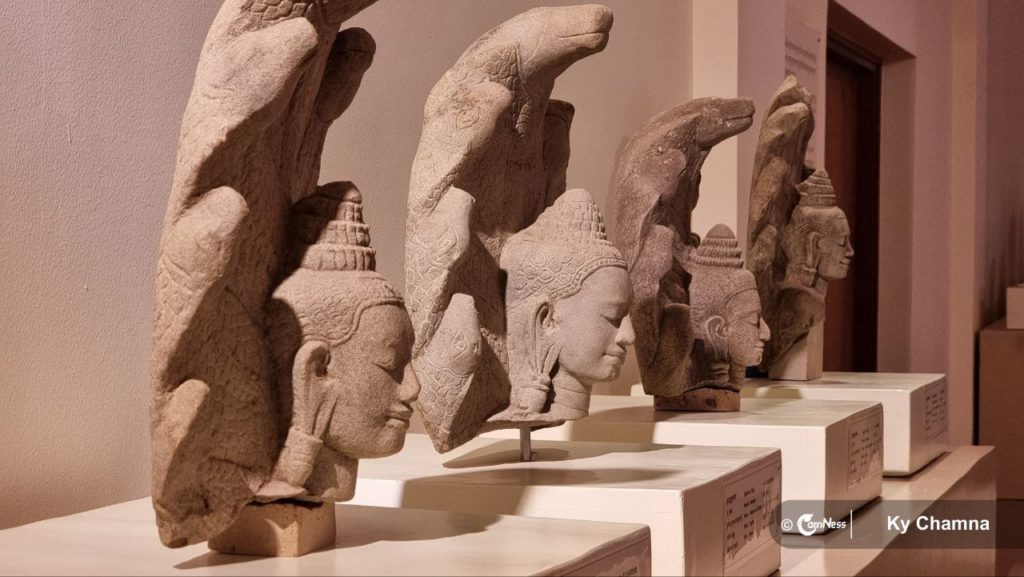
Japanese researchers from Sophia University, working alongside Cambodian colleagues, were studying the temple’s hydraulic system when they found 274 Buddhist statues carefully interred about two metres underground near the eastern entrance. The statues, dating from the 11th to 14th centuries, were placed respectfully, suggesting a peaceful transition when Angkor’s state religion shifted.
Banteay Kdey was built under King Jayavarman VII in the late 12th century, a ruler famed for his Mahayana Buddhist monuments such as Bayon and Ta Prohm. Yet later iconoclasm saw Buddhist imagery chiselled away or repurposed into Hindu symbols, while apsaras and other Hindu motifs remained intact. The buried statues, now displayed at the Preah Norodom Sihanouk‑Angkor Museum, reveal the coexistence and tension between Hinduism and Buddhism across centuries.
Among the finds was the striking “Pillar of the Thousand Buddhas,” a sandstone column carved with 1,008 seated figures. Such pillars usually depict Vishnu, making this example a rare testament to Buddhist influence.
The discovery at Banteay Kdey was echoed in March 2024, when more than 100 Buddha statues were unearthed at nearby Ta Prohm, another Jayavarman VII temple. Together, these finds highlight the layered history of Angkor, where shifts in faith left physical traces beneath the soil.
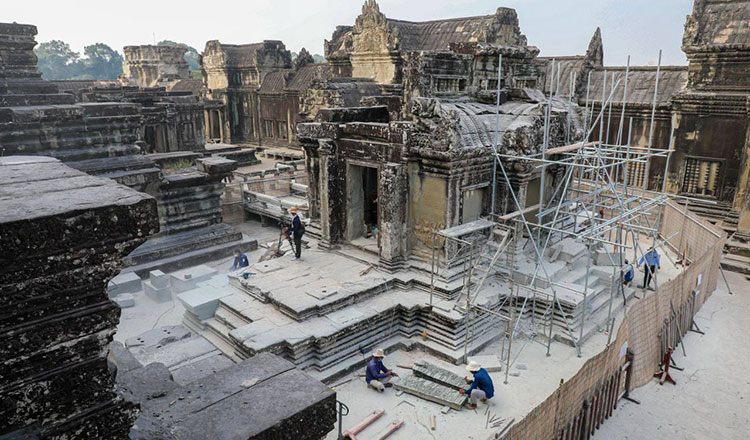
Archaeologist Neth Simon of the APSARA Authority, who has monitored Angkor’s temples for over two decades, notes that subtle stylistic differences across Jayavarman’s monuments continue to intrigue researchers. Restoration remains challenging, with drainage problems and invasive trees threatening fragile structures.
Today, Cambodia’s landscape reflects harmony between traditions: Theravada Buddhist pagodas often rise beside ancient Hindu temples, embodying centuries of coexistence. For Simon, preserving this heritage is both professional duty and personal pride. “Back then, I wished to one day work here,” she recalls of her student days. “Now, it has become a reality.”
Word count: ~360
About the Author