Walk through Bangkok’s markets or cafés and you’ll notice small cats perched by tills, their paws rising and falling in a steady rhythm. These are the maneki‑neko, or “beckoning cats,” a Japanese charm that has become a familiar sight in Thailand’s shops.
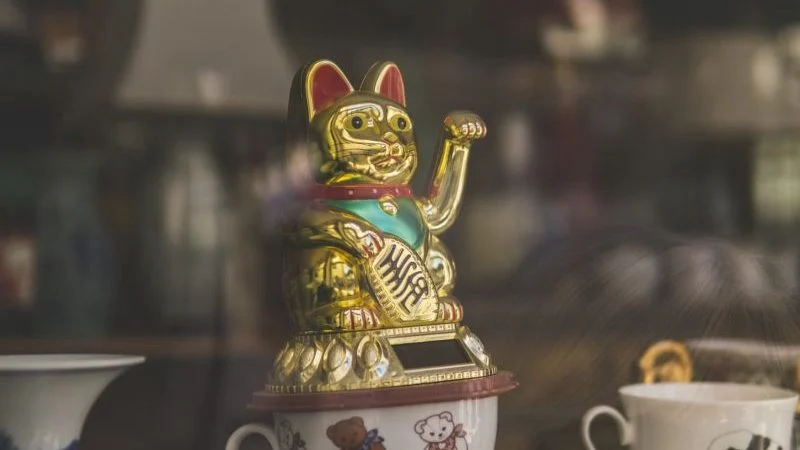
Despite their association with Chinese businesses, the maneki‑neko’s origins lie in Japan. Legends from Tokyo’s Gōtoku‑ji Temple tell of a cat that saved a feudal lord from a lightning strike, while Imado Shrine recalls an elderly woman who crafted figurines of her cat to escape poverty. Over centuries, the cat became a symbol of prosperity, its raised paw inviting luck and customers.
The details matter. A left paw attracts business, while a right paw brings general fortune. Colours carry meaning too: gold for wealth, white for luck, red for protection, and pink for love. Battery‑powered versions, with their constant motion, are especially popular in Thailand, where shopkeepers value the sense of activity they create.
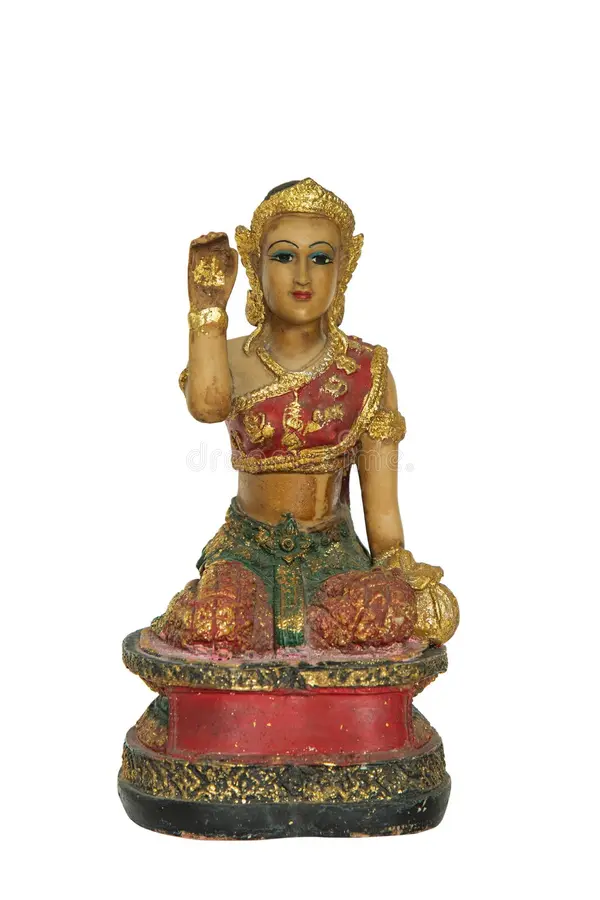
Thailand, however, has long had its own guardian of commerce: Nang Kwak, the beckoning lady. Seated with one knee raised and her hand lifted in a gesture of welcome, she is believed to draw prosperity and protect merchants. In many shops, Nang Kwak sits alongside the maneki‑neko, blending Thai tradition with imported symbolism.
The pairing reflects Thailand’s openness to charms and rituals that promise good fortune. For customers, the cats may look like cheerful ornaments. For shop owners, they are talismans of luck, prosperity and protection—part of a wider culture that values auspicious symbols in everyday life.
So next time a tiny cat waves at you from a counter in Bangkok, remember: it’s more than decoration. It’s a centuries‑old charm, adopted from Japan, harmonised with Thailand’s own traditions, and still beckoning luck into the heart of local businesses.
About the Author