Nepal’s effort to secure UNESCO World Heritage status for Tilaurakot—the ancient capital of the Shakya kingdom and Prince Siddhartha Gautam’s pre-enlightenment home—was rejected during the 47th session of the World Heritage Committee in Paris. Despite decades of archaeological research, international collaboration, and renewed political backing, the proposal was deferred following critical recommendations from ICOMOS, UNESCO’s advisory body. Discussions spanned two days but ended without support from any member state; a single amendment might have tipped the outcome.
The case has revealed shortcomings in Nepal’s heritage diplomacy. While nations like India and Japan successfully pushed nominations—Japan even intervening on India’s behalf—Nepal’s team, led by Culture Minister Badri Prasad Pandey, failed to secure strategic backing. Critics suggest that Nepal underestimated the geopolitical sensitivities: India has long promoted its own sites, Piprahwa and Ganwaria, as the real Kapilvastu, challenging Tilaurakot’s identity. A joint transboundary nomination, they argue, could have strengthened both historical legitimacy and international appeal.
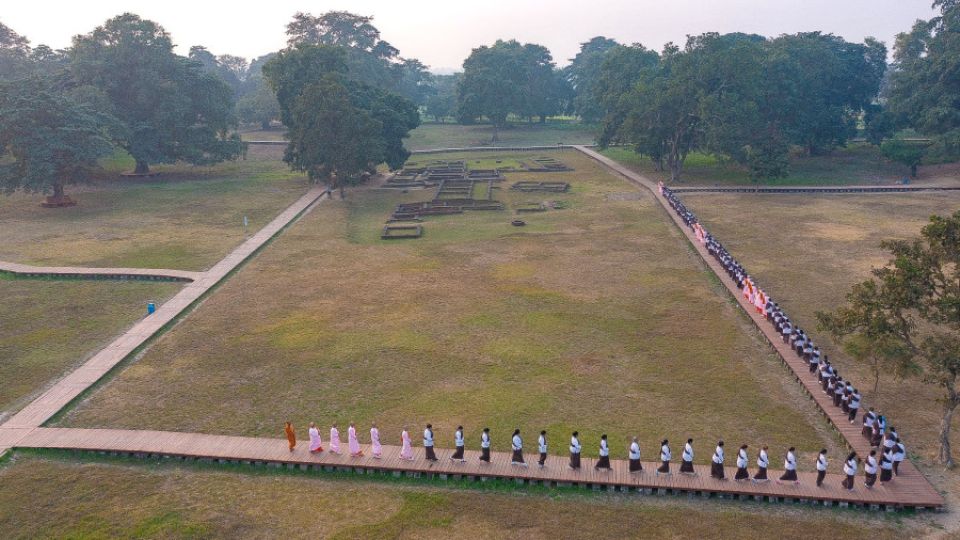
Tilaurakot remains archaeologically compelling. Excavations led by experts including British archaeologist Robin Coningham have revealed urban layouts, artifacts, and structures dating back to the 8th century BCE, aligning closely with accounts from Chinese monks Faxian and Xuanzang. Findings such as “punch mark” coins and remnants of ancient city planning support its cultural significance.
The nomination dossier, submitted formally in January 2025 and prepared by heritage expert Duncan Marshall alongside a multidisciplinary team, was praised for its scholarship but faltered on technical grounds, as some ICOMOS recommendations weren’t adequately addressed. Officials emphasized that deeper state-level coordination—not just bureaucratic diligence—is vital for success.
While this setback is discouraging, experts remain optimistic. They cite Lumbini’s earlier failures before being listed in 1997 and urge persistence. The 2025 session, reviewing 32 nominations in total, has made it clear: heritage recognition hinges not just on historical merit, but on diplomacy, alliances, and sustained engagement. Tilaurakot’s future nomination may yet succeed—with refined strategy and broader support.
About the Author