Across Asia, some of the world’s most treasured monuments have been reduced to rubble in acts of political and ideological violence. From Afghanistan’s Bamiyan Buddhas to India’s Babri Masjid and now historic sites in Iran, each destruction reveals how cultural heritage becomes a battlefield in wider struggles for power.
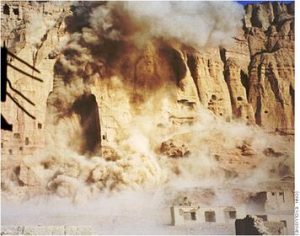
The Taliban’s demolition of the sixth‑century Bamiyan Buddhas in 2001 was a deliberate attempt to erase Afghanistan’s plural past. These colossal statues, once symbols of the Silk Road’s cosmopolitan exchanges, were dynamited in the name of religious orthodoxy. What vanished was not only stone but centuries of memory.
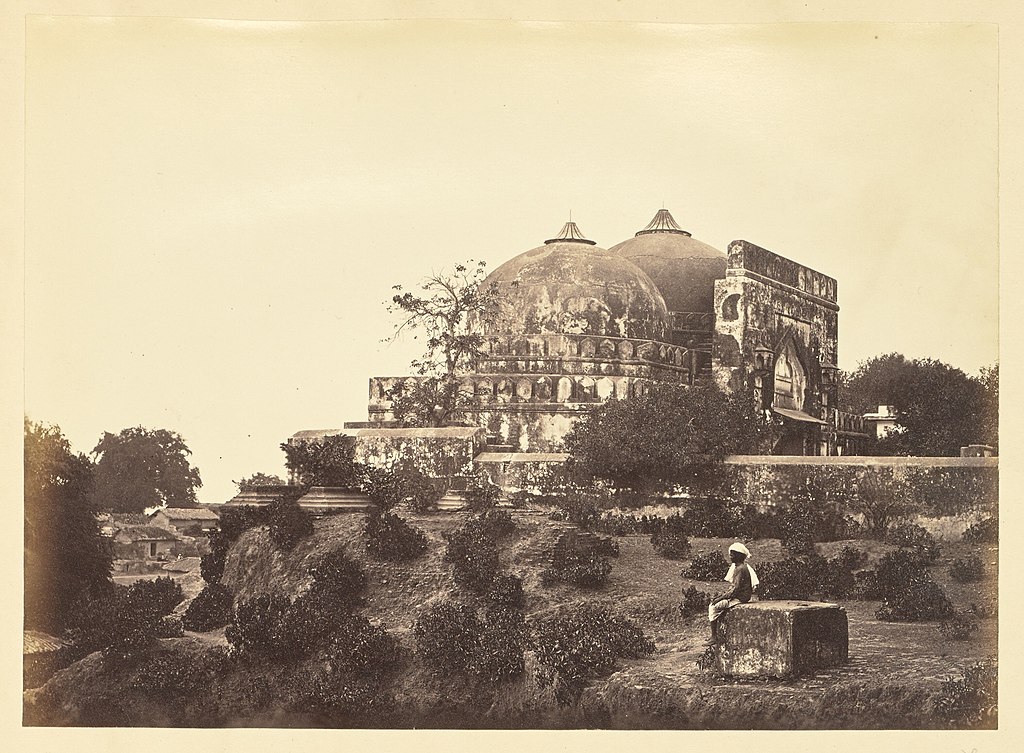
In India, the Babri Masjid in Ayodhya, built in the sixteenth century under the Mughals, was torn down by a mobilised crowd in 1992. The mosque had stood for centuries as part of the subcontinent’s architectural landscape, yet became a political target for those seeking to rewrite history through mythologised grievance. Its demolition unleashed communal violence and scarred India’s social fabric.
Today, Iran’s layered heritage — from Safavid mosques to Qajar palaces — faces peril from military strikes. Shockwaves and fires triggered by modern warfare do not distinguish between military sites and centuries‑old monuments. The Golestan Palace in Tehran and Isfahan’s historic complexes are not just national treasures but part of humanity’s shared inheritance, now exposed to collateral damage.
Though contexts differ — ideological extremism in Afghanistan, majoritarian mobilisation in India, and geopolitical conflict in Iran — the logic is disturbingly similar. Monuments are attacked not for their physical presence but for the histories they embody: plural, complex, and resistant to simplistic narratives.
The losses are irreparable. The Bamiyan Buddhas cannot be recreated in their original form; the Babri Masjid cannot be restored to Ayodhya’s skyline; and Iran’s damaged sites threaten a civilisational continuum that has endured for millennia. Each act represents not just the destruction of architecture but the erasure of history itself.
Asia’s monuments remind us that cultural heritage is never neutral. It is a living record of diversity and coexistence. When targeted, the assault is not only on a nation’s past but on humanity’s collective memory — a vandalism that must be condemned with clarity and urgency.
About the Author