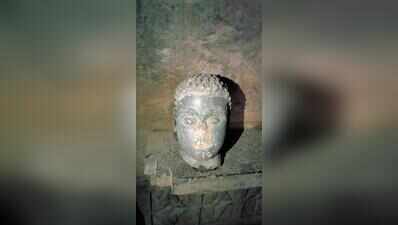
In Turkmenistan’s desert city of Merv, archaeologists once unearthed a colossal Buddha head — a fragile clay relic dating back to the fifth or sixth century CE. Today, that remarkable sculpture is being painstakingly pieced back together in a conservation project led by the Getty Museum in partnership with the State Museum of Turkmenistan.
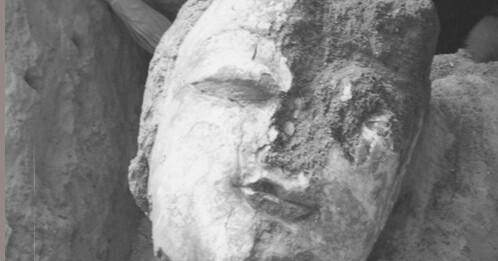
The Buddha head, originally part of a larger seated figure, was discovered in the stupa of a Buddhist monastery within the ancient fortress of Gyaur Kala. Standing nearly 90 centimetres tall, it represents the westernmost example of Buddhist sculpture of its kind, a vital clue to the religion’s spread along the Silk Road.
Over time, the head was cut into four sections and subjected to unsuitable repairs using resin and synthetic foams. Now, conservators from Italy and the Getty team are reversing those interventions. Using advanced photogrammetry and 3D‑printed shells, they have stabilised the fragments and begun cleaning away layers of gauze and adhesives to reveal the original polychromy — flesh tones, vivid pigments, and even a striking blue eye.
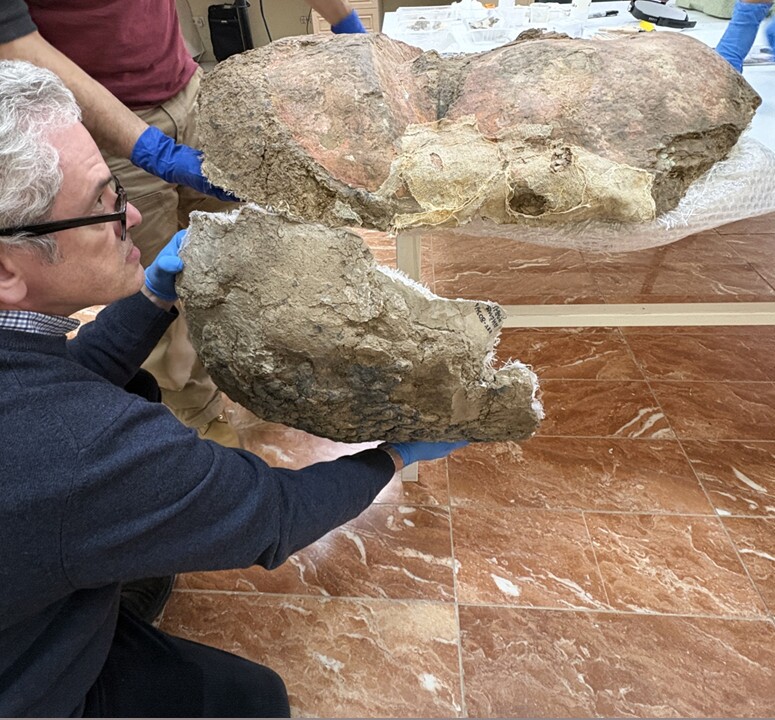
The project, supported by the U.S. Ambassadors Fund for Cultural Preservation, has already completed five missions in Ashgabat. The team is working to unify the four surviving parts into a structurally stable whole, aided by digital reconstructions and miniature 3D models.
Beyond the technical challenge, the restoration is a cultural milestone. The Buddha head embodies Merv’s cosmopolitan past, when Zoroastrians, Christians, Jews and Buddhists coexisted in the oasis city. Its survival — and now its revival — underscores the fragility and resilience of Asia’s heritage.
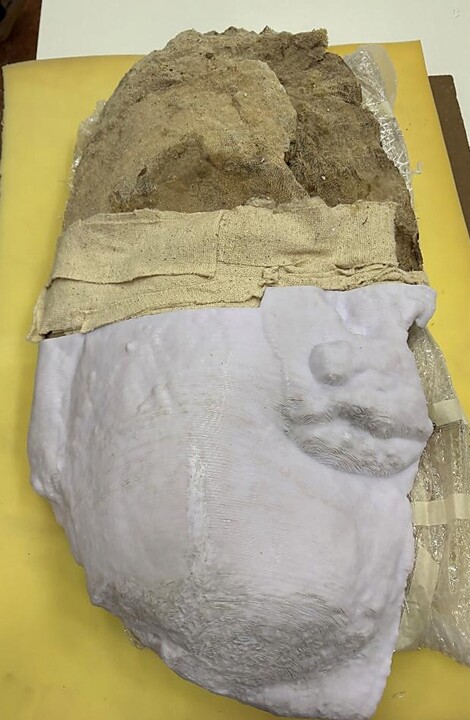
When the head is finally reassembled and displayed, it will stand not only as a testament to ancient craftsmanship but also as a symbol of modern collaboration to protect humanity’s shared history.
About the Author