Vietnam’s largest monolithic jade statue of Shakyamuni Buddha has become a major attraction at Quynh Lam Pagoda in Quang Ninh Province, drawing worshippers and tourists alike.
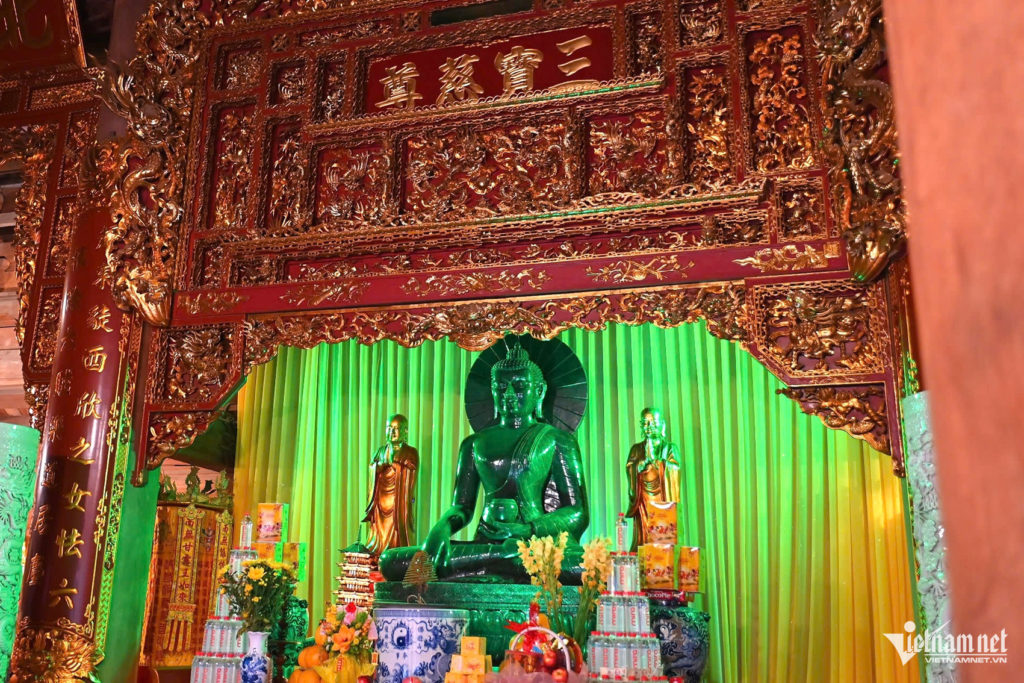
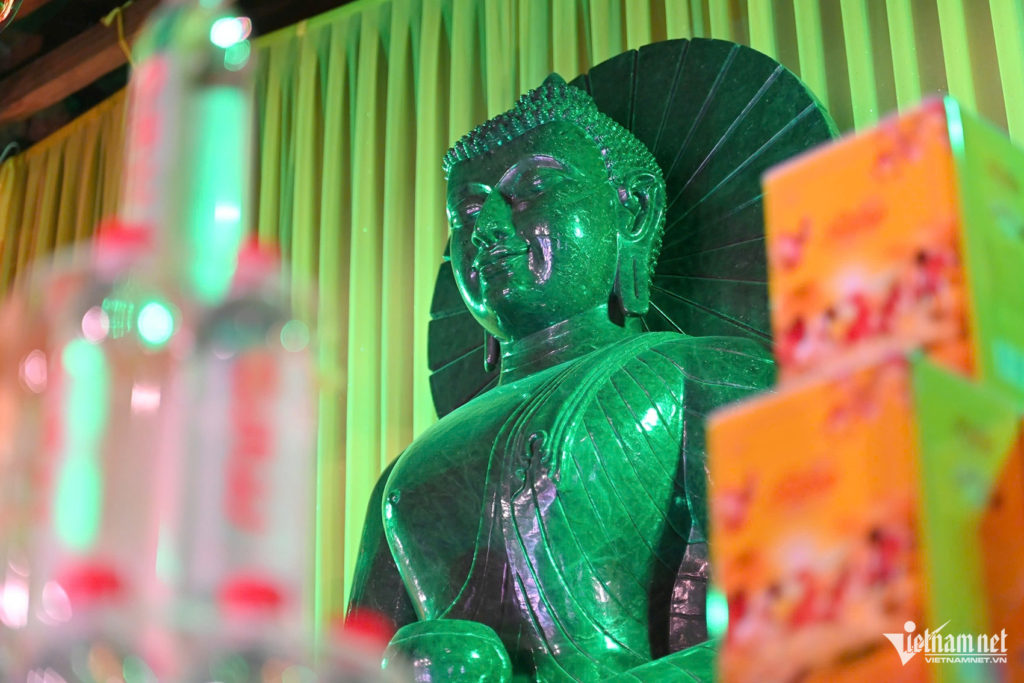
The statue, carved from a single 3.8‑tonne block of vivid green jade discovered in North Vancouver, Canada, was sculpted by artisans from Nepal, India and Thailand. Standing 2.2 metres tall, it was modelled on the revered Buddha image at Bodh Gaya in India. Installed in 2022, it now sits in the Shakyamuni Buddha Hall, where it has quickly become a focal point for visitors.
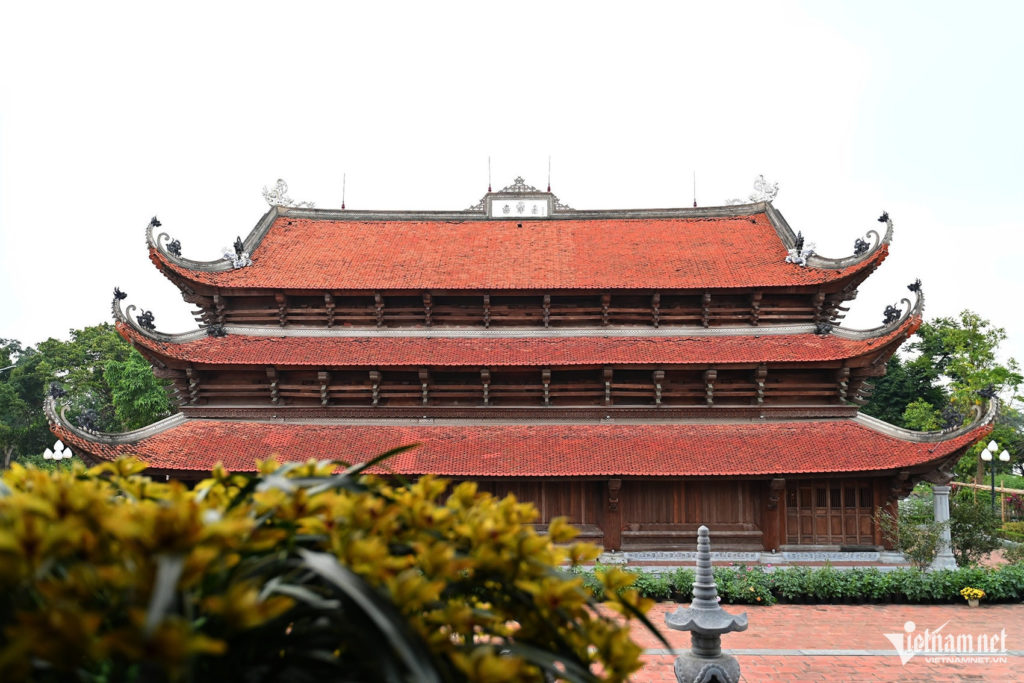
Quynh Lam Pagoda itself is steeped in history. Founded in the 12th century by Zen Master Nguyen Minh Khong, it later flourished under Phap Loa, the second patriarch of the Truc Lam Zen School. By the 14th century, the site had grown into one of Vietnam’s most important Buddhist centres, hosting major religious events and even establishing the country’s first Buddhist academy.
Over centuries, the pagoda fell into decline, battered by war and neglect. A major restoration project launched in 2016 revived the complex, with reconstruction following the Later Le Revival style. In 2020, the restored pagoda was officially inaugurated, complete with three principal halls and covering nearly 15 hectares.
Today, Quynh Lam Pagoda is recognised as part of the Special National Relic Complex of the Tran Dynasty. Visitors come not only to admire its architecture and ancient artefacts, such as bronze bells and stone steles, but also to pay respects to the jade Buddha.
Local officials say the statue has enhanced the site’s spiritual significance, reinforcing Quynh Lam’s role as a centre of Vietnamese Buddhism. For many pilgrims, the jade Buddha symbolises both continuity and renewal — a modern treasure rooted in centuries of tradition.
About the Author