China’s Jingdezhen Handicraft Porcelain Industry Sites have been inscribed on the UNESCO World Heritage List, a landmark recognition of the country’s centuries‑old porcelain tradition. The announcement came on Saturday at the 48th session of the World Heritage Committee in Busan, Republic of Korea.
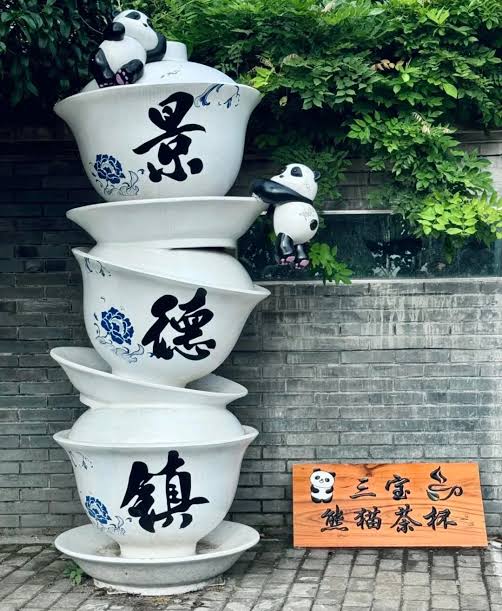
The serial property covers five distinct but interconnected sites across Jingdezhen, Jiangxi Province, spanning nearly 2,000 hectares. Together they represent the full production chain of traditional porcelain making – from clay mining and kiln complexes to firewood supply and large‑scale manufacturing centres. Among them are the Hutian Ancient Kiln Site, the Gaoling Porcelain Clay Mining Site and the Imperial Kiln Institute, each reflecting a vital stage in the industry’s evolution.
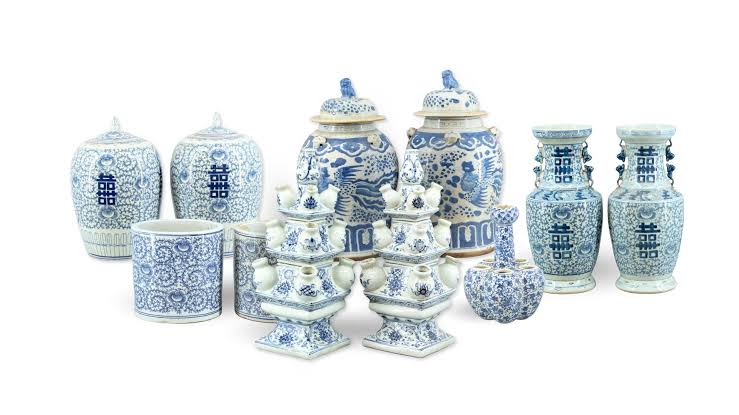
Jingdezhen rose to prominence during the Song and Yuan dynasties, and by the Ming and Qing periods had become the world’s leading porcelain hub. Its blue‑and‑white and famille‑rose wares became symbols of Chinese artistry, influencing European “chinoiserie” and shaping global tastes from the 17th century onwards. The city’s techniques, organisation and artistic styles illustrate not only the ingenuity of Chinese craftsmanship but also the exchange of ideas across cultures.
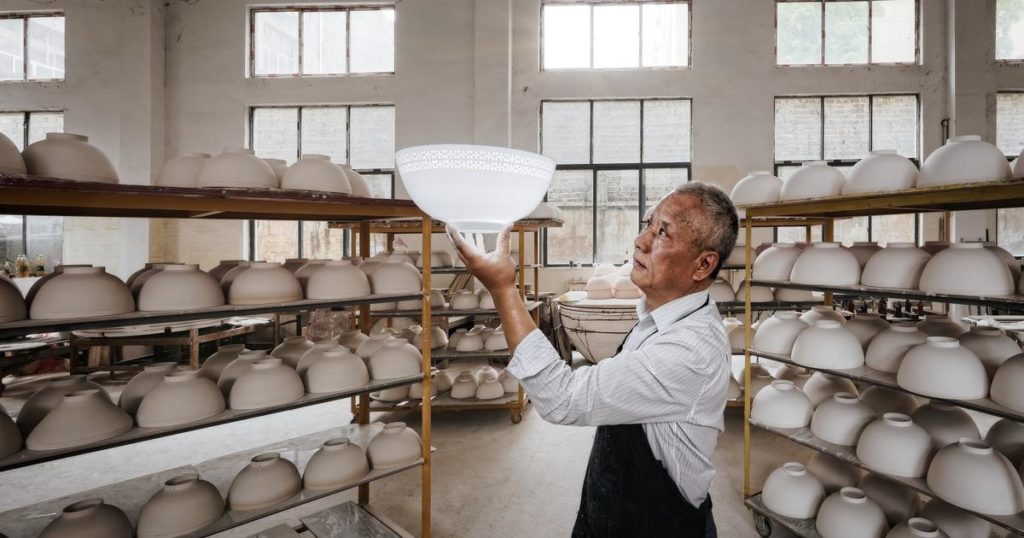
UNESCO’s advisory body, the International Council on Monuments and Sites, highlighted Jingdezhen’s “Outstanding Universal Value” – its sustained production over centuries and its role as a centre of innovation and trade. The inscription acknowledges both tangible relics, such as kiln sites and mining zones, and the intangible systems of knowledge, organisation and social order that sustained the porcelain industry.
With this recognition, Jingdezhen joins the ranks of 1,248 properties worldwide considered part of humanity’s shared heritage. For China, it marks the first time a complete handicraft porcelain production system has been honoured, underscoring the enduring cultural and artistic legacy of the “Porcelain Capital”.
About the Author