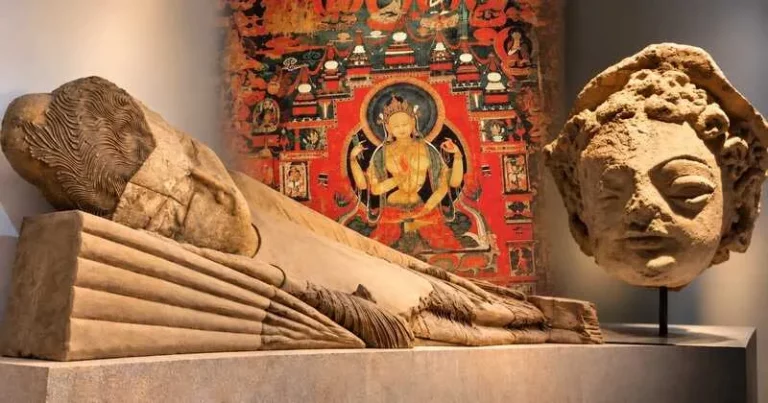
A remarkable discovery in northern China could reunite a long‑separated piece of Buddhist heritage. Experts in Shanxi province have identified a stone Buddha head, unearthed by a farmer near a pig farm, as dating back to the Northern Qi Dynasty (550–577).
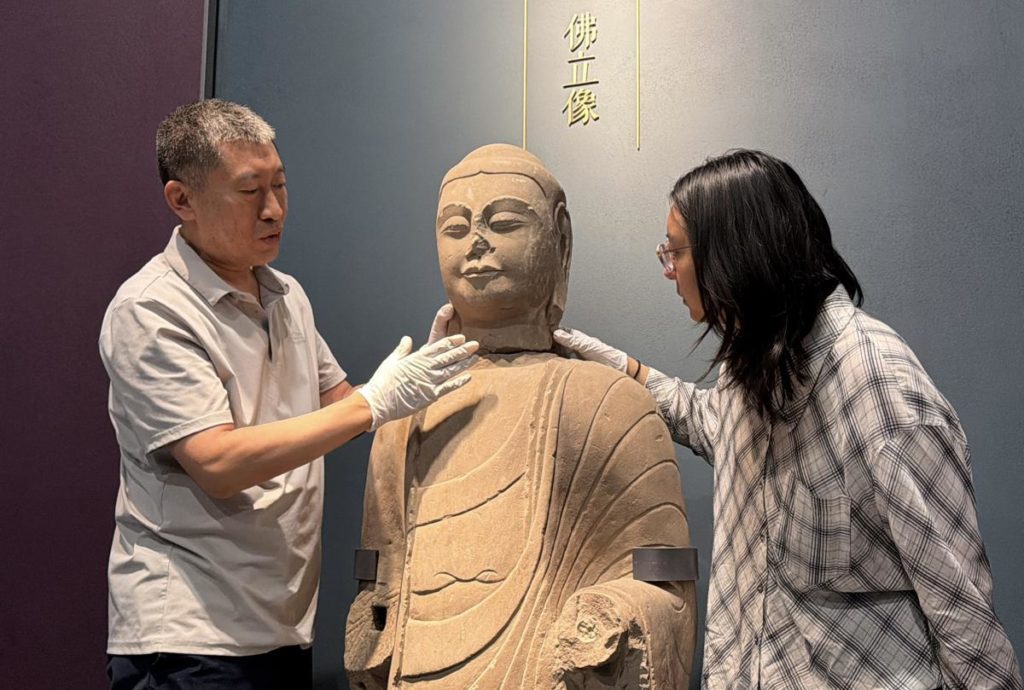
The sandstone head, standing 37.5 centimetres tall, was handed over to the Fenyang Museum without compensation, in line with China’s cultural relics law. Specialists say its polished cranial protuberance, broad forehead and faint smile are typical of Northern Qi sculpture. Crucially, the contours of the break appear to match a headless standing Buddha already on display at the museum.
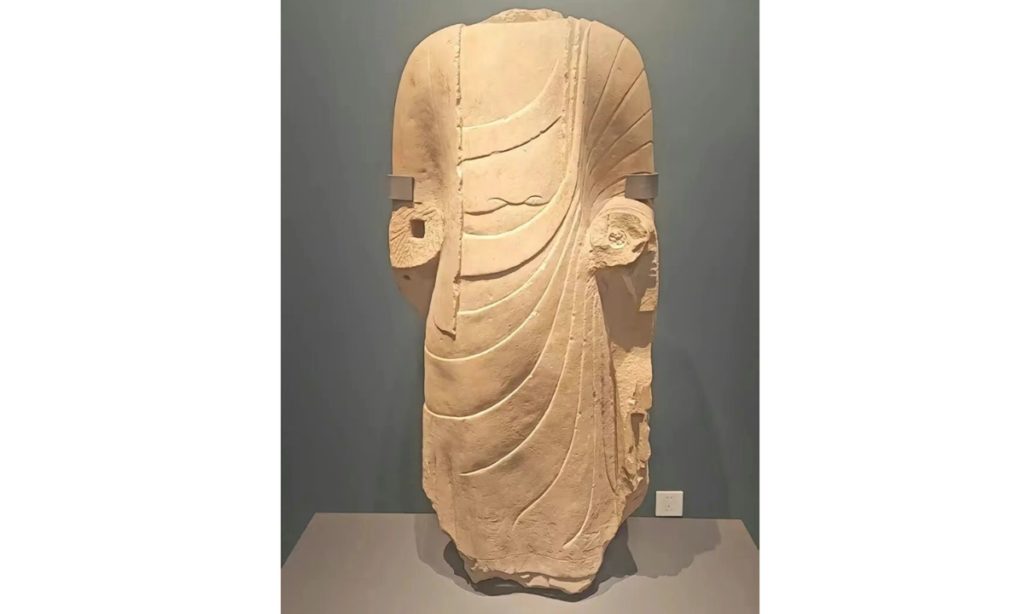
Both pieces were found in Dongzhao village, once home to several temples. The torso has been part of the exhibition Stone Echoes Through the Ages – Fenyang’s Rare Stone Carvings. The newly discovered head is now undergoing scanning and compositional analysis to confirm whether the two fragments belong together.
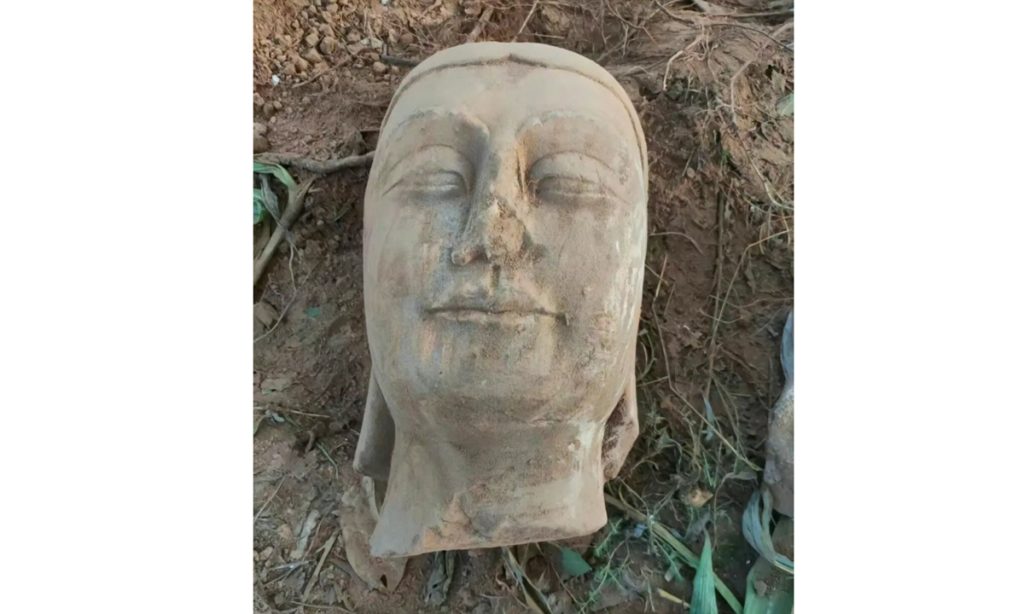
The villager who reported the find will be formally commended at a donation ceremony on 18 July. Museum officials say the head is a valuable addition to the collection, offering fresh insight into the spread of Buddhism in the region.
Shanxi was a heartland of the Northern Qi, one of the northern dynasties during the turbulent Southern and Northern Dynasties period (420–589). The province became a centre of Buddhist stone carving, producing works that blended spiritual symbolism with refined artistry.
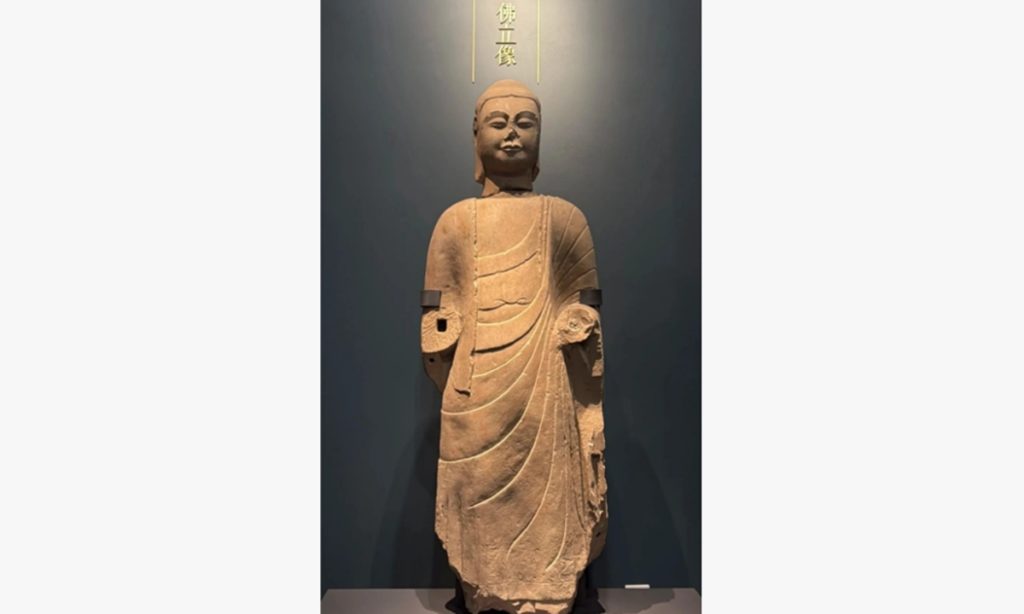
The Fenyang Museum, established in 1984, houses more than 9,000 relics, including 416 nationally recognised treasures. The potential reunion of the Buddha head and torso would add a striking highlight to its collection, underscoring the importance of local communities in preserving cultural heritage.
For now, the head remains in storage while experts carry out detailed analysis. But if confirmed, the reassembled statue could stand as a powerful reminder of Shanxi’s role in shaping Buddhist art — and of the chance discoveries that continue to enrich our understanding of history.
About the Author