India’s ancient Buddhist site of Sarnath has been officially inscribed on the UNESCO World Heritage List, marking a significant recognition of its cultural and spiritual importance. The decision was announced on Saturday during the 48th session of the World Heritage Committee in Busan, Republic of Korea, bringing India’s tally of World Heritage sites to 45.
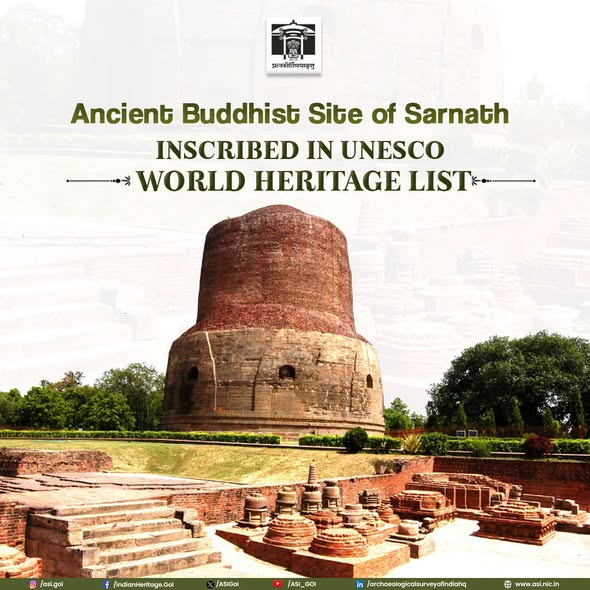
Sarnath, located in Varanasi, Uttar Pradesh, is revered as the place where the Buddha delivered his first sermon after attaining enlightenment in the sixth century BCE. That moment, often described as the “Turning of the Wheel of Dharma”, is considered the beginning of the spread of Buddhist teachings. Over centuries, the site grew into a thriving centre of learning and pilgrimage, supported by rulers, patrons and monastic communities who built stupas, temples and viharas.
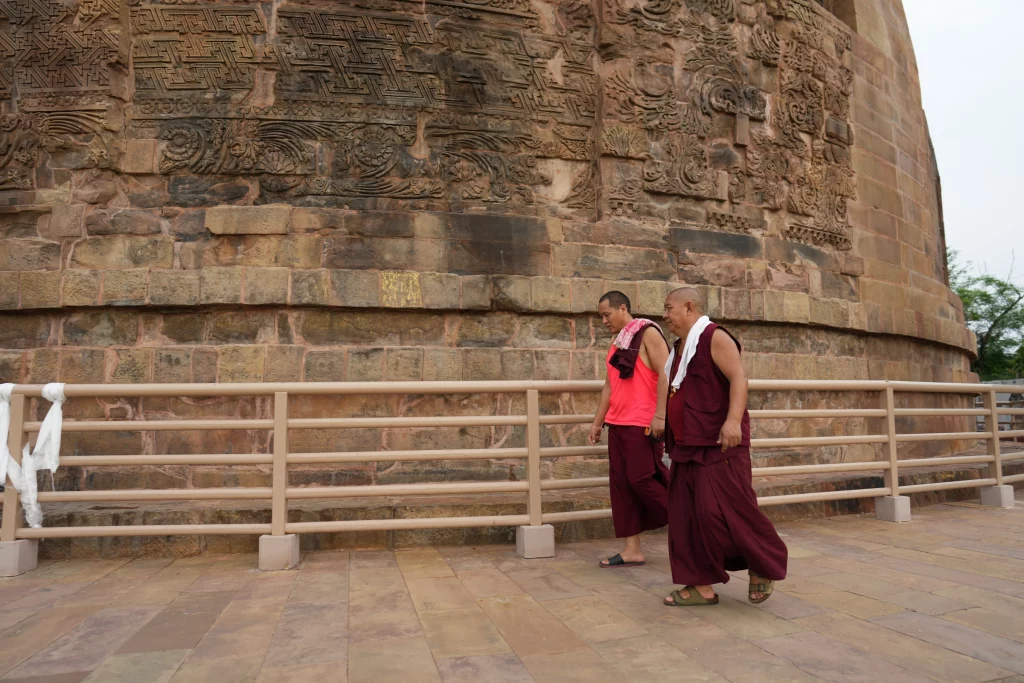
Today, the site’s legacy is preserved in two major archaeological zones: the Chaukhandi Stupa and the wider remains of Sarnath, which include the Dhamek and Dharmarajika stupas. Together, these monuments form the historic landscape known as Deer Park, a place still resonant with Buddhist tradition and referred to in sacred texts as Rishipatana, Isipatana or Mrigadava.
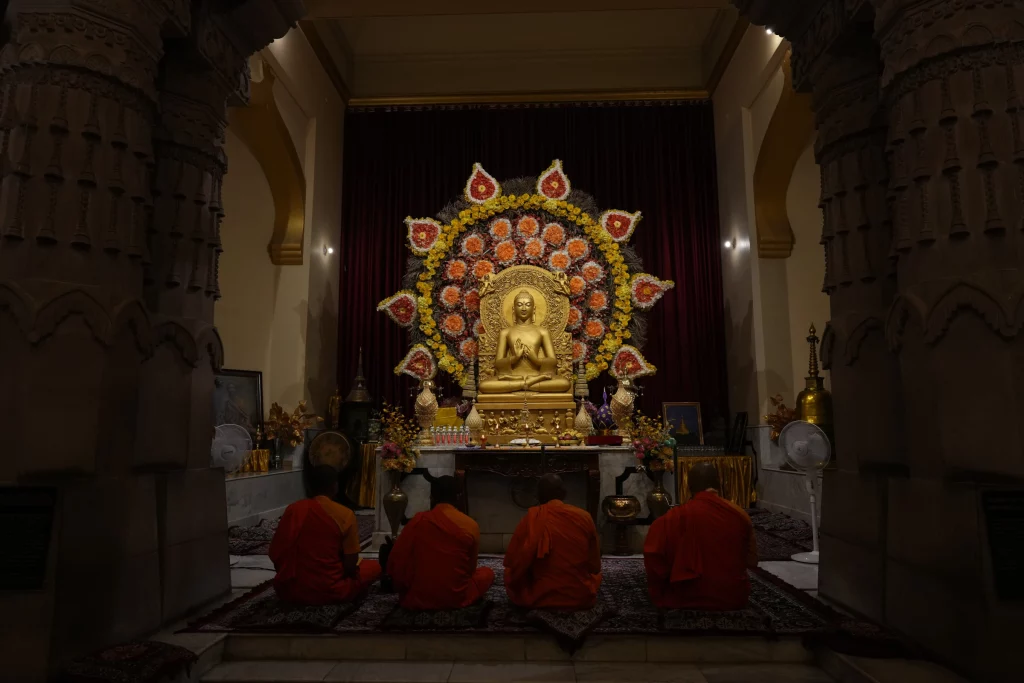
The World Heritage Committee, responsible for implementing the 1972 Convention, grants inscription only to sites deemed of “Outstanding Universal Value” – places whose significance transcends national boundaries and belongs to humanity as a whole. With Sarnath’s addition, the global list now includes 1,248 cultural, natural and mixed properties across 170 countries.
For India, the recognition underscores both the depth of its Buddhist heritage and its role in safeguarding sites that continue to inspire millions worldwide. For visitors and pilgrims alike, Sarnath’s new status is likely to draw greater attention to its enduring spiritual and historical resonance.
About the Author