Mongolia’s ancient Hunnu nobility cemetery complexes have been added to the UNESCO World Heritage List, marking a milestone in the country’s preservation of its cultural legacy.
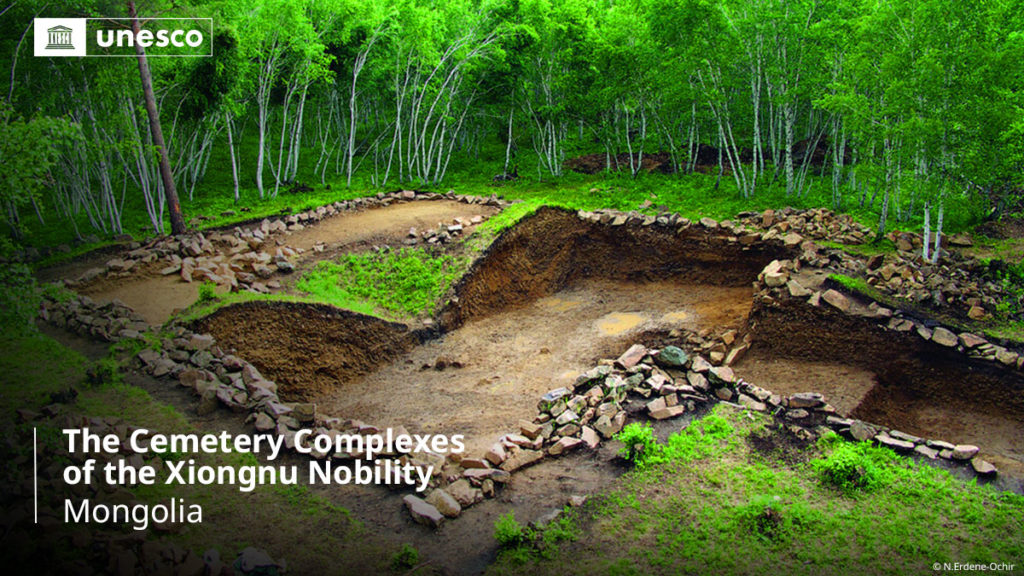
The newly inscribed property covers five major archaeological sites: Noyon Uul and Chikhertiin Zoo in Tuv Province, Duurlig Nars in Khentii, Gol Mod I and II in Arkhangai, and Takhiltiin Khotgor in Khovd. Together, they represent one of the most significant legacies of the Hunnu civilisation, Mongolia’s first state.
The decision follows years of research led by the Chinggis Khaan National Museum, with international collaboration from archaeologists and historians. At the UNESCO session, Culture Minister Aldarjavkhlan Jukov hailed the inscription as the result of decades of joint effort, expanding global understanding of the Hunnu Empire.
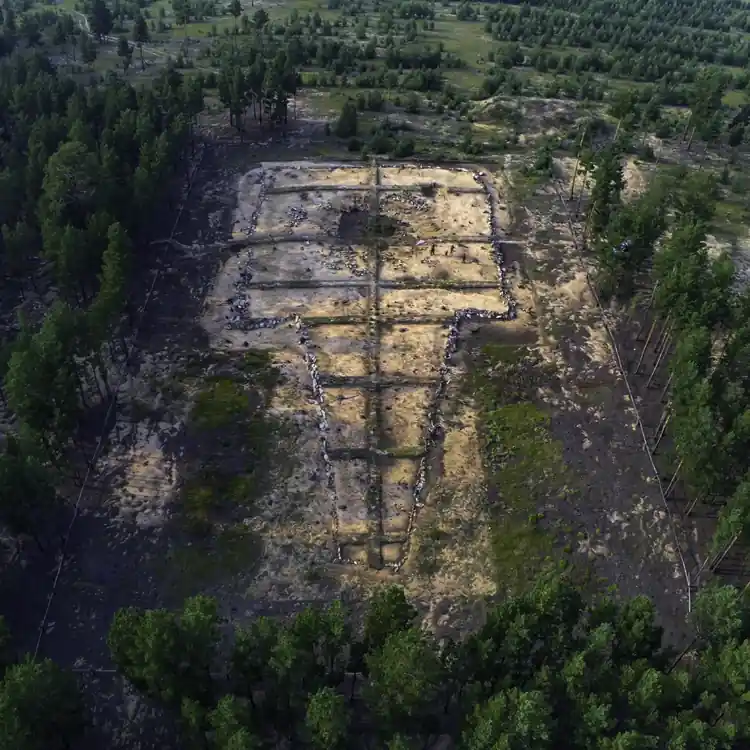
Academician Chuluun Sampildondov, who headed the nomination team, said the recognition affirms the sites as part of humanity’s shared heritage and underscores their outstanding universal value. He described the listing as a landmark achievement for Mongolian scholarship and for the museum now tasked with overseeing a UNESCO-recognised property.
Mongolia joined the World Heritage Convention in 1990. Before this latest addition, it had six sites on the list, including the Orkhon Valley Cultural Landscape and the Deer Stone Monuments. With the Hunnu cemetery complexes now inscribed, the country’s tally rises to seven.
For Mongolia, the recognition not only honours its ancient past but also strengthens its cultural presence on the global stage, ensuring that the story of the Hunnu civilisation will be preserved and studied for generations to come.
About the Author