Vietnam’s 700‑year‑old Buddhist towers in Ninh Binh are facing severe neglect, with experts warning that priceless relics from the Tran Dynasty could soon vanish if urgent conservation measures are not taken.
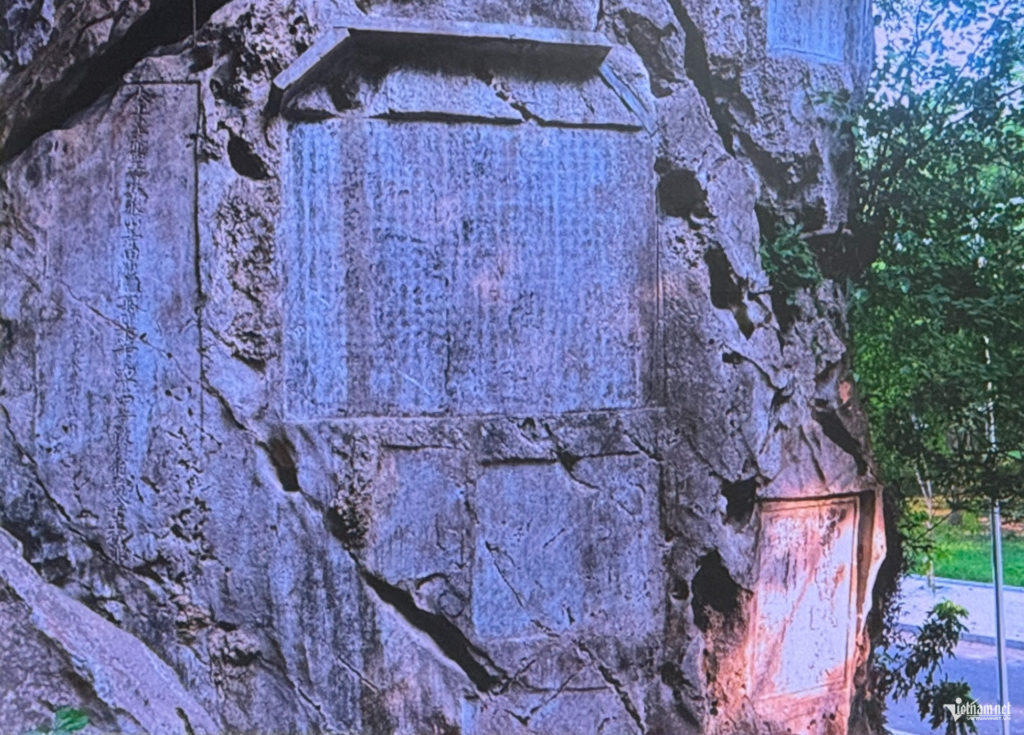
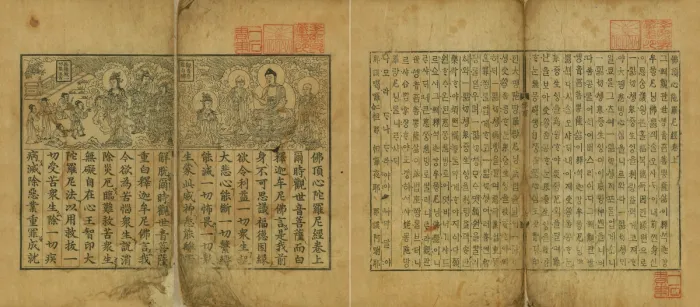
At a recent conference on Buddhist texts, Dr Nguyen Ngoc Quy of the Vietnam Academy of Social Sciences highlighted the deteriorating condition of three towers once central to the Truc Lam Zen tradition. Archaeological discoveries in the area have revealed foundations, inscriptions and relics linked to Emperor Tran Nhan Tong, who later became known as the Buddha Emperor, and his successors.
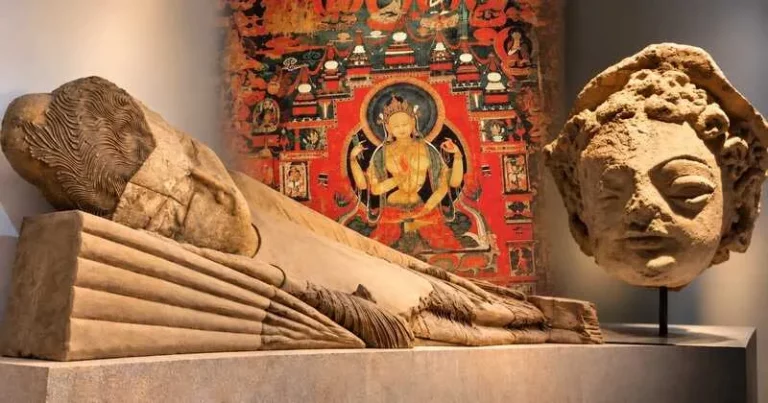
The towers, built on Non Nuoc, Tien Long and Thu Moc mountains, were unique in style and construction, reflecting influences from Indian Buddhist art transmitted via Champa. Inscriptions from the 14th century describe their grandeur, including a four‑storey tower whose reflection fell upon the river below.
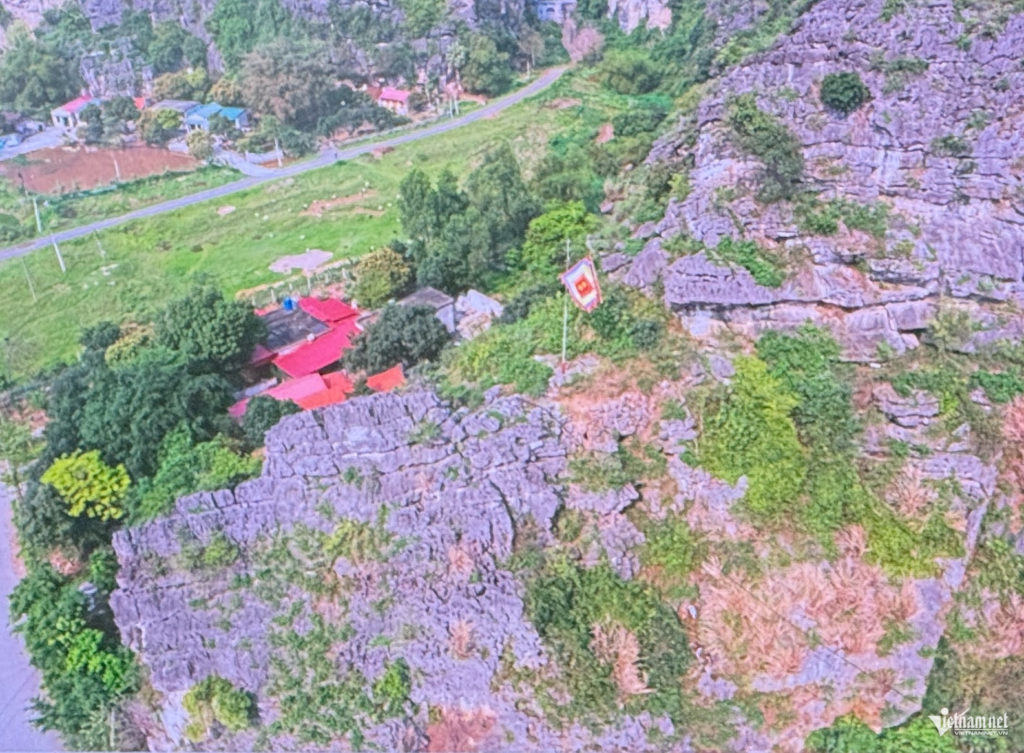
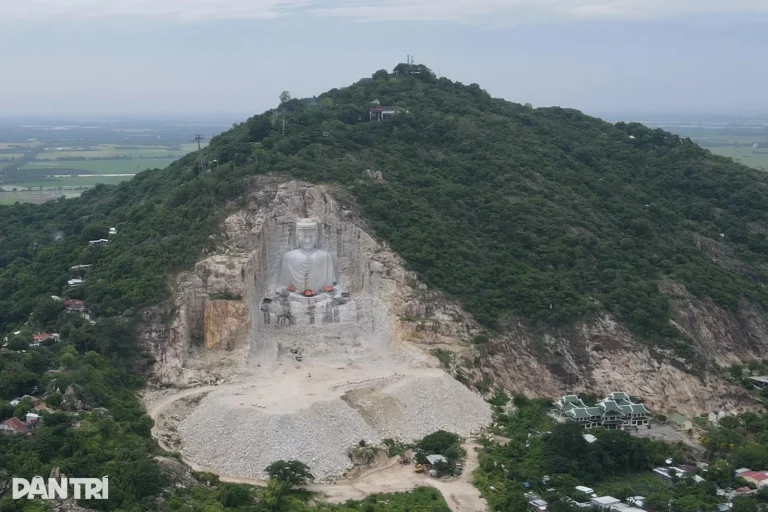
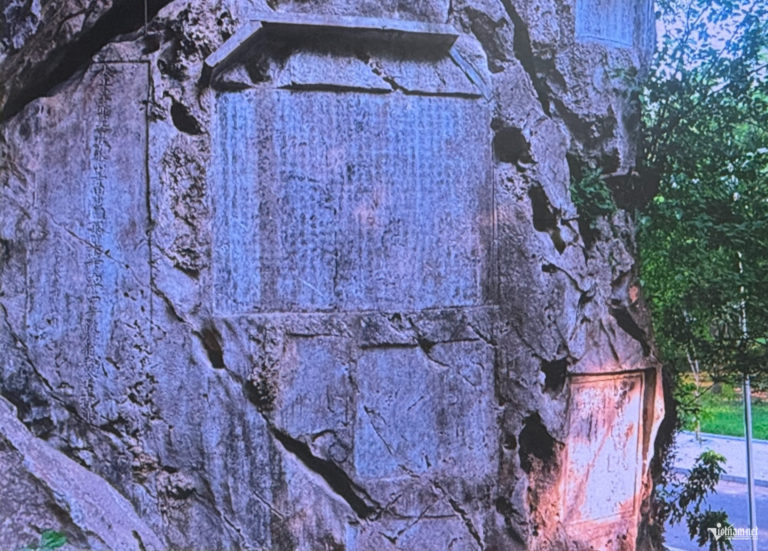
Today, however, the sites are in disrepair. The tower dedicated to Tran Nhan Tong has been overshadowed by newer structures, with only fragments of ancient bricks surviving. On Tien Long Mountain, the tower for Phap Loa has collapsed entirely, leaving scattered remains exposed to the elements. At Thu Moc, excavation in the 1980s failed to identify the sacred pit used to house relics, leaving key mysteries unresolved. Rock inscriptions across the sites have weathered so badly that vital historical details are now illegible.
Quy warned that many Tran‑era Buddhist sites have been forgotten or damaged beyond recognition. He urged authorities to act quickly, calling for fresh excavations at Tien Long Mountain and interdisciplinary cooperation among archaeologists, historians and Han‑Nom script specialists to preserve what remains.
The urgency is underscored by the broader context: Ninh Binh, once an ancient capital region, holds a rich legacy of Truc Lam Buddhism. Protecting these towers is not only about safeguarding relics but also about preserving Vietnam’s cultural identity and historical continuity.
Experts argue that without immediate intervention, the towers could be permanently erased from the landscape, depriving future generations of a direct link to the country’s spiritual and political past. For now, the fate of these monuments rests on whether local authorities and the international community can mobilise the resources and expertise needed to rescue them.
About the Author