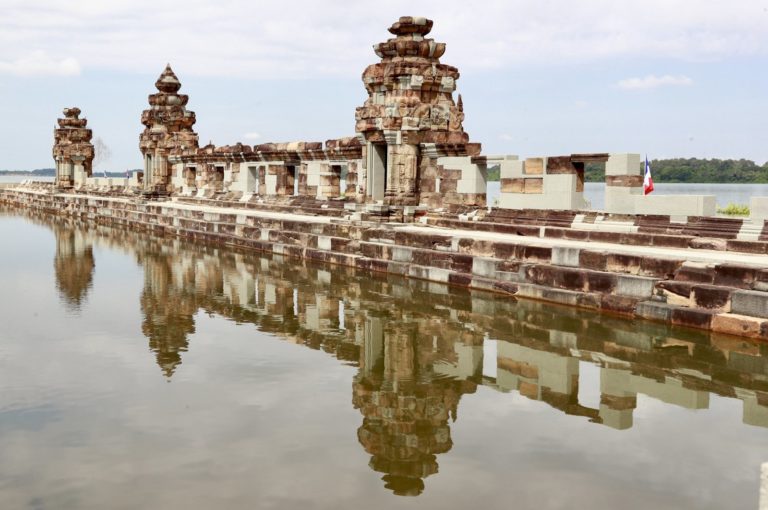
Cambodia has reopened the West Mebon Temple, a nearly 1,000-year-old monument at the heart of the Angkor archaeological complex, after an ambitious 14-year restoration project backed by France.
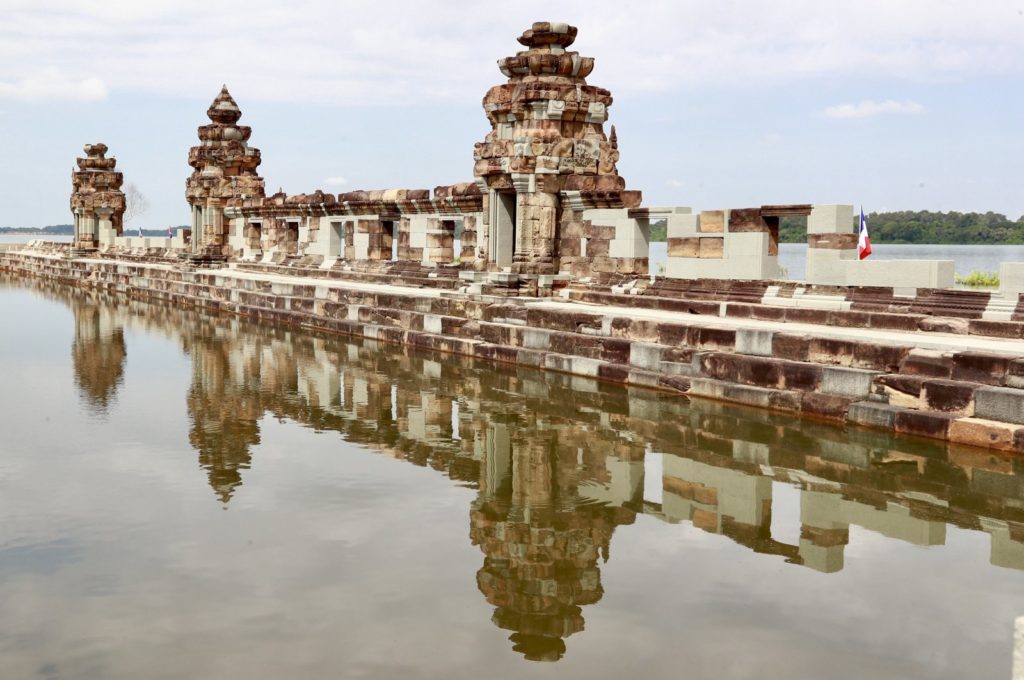
The inauguration ceremony in Siem Reap brought together Cambodian King Norodom Sihamoni and visiting French President Emmanuel Macron, highlighting both the cultural significance of the temple and the enduring ties between the two countries.
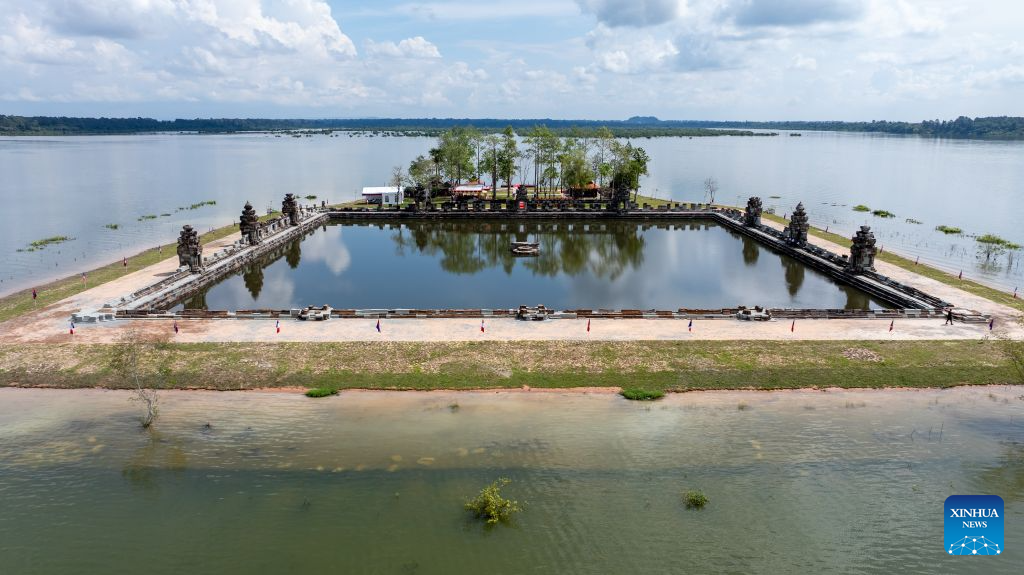
Located on an island in the vast West Baray reservoir, the West Mebon Temple was built in the mid-11th century as a Hindu sanctuary. The monument occupies the exact centre of the ancient water basin, one of the most remarkable engineering achievements of the Khmer Empire.
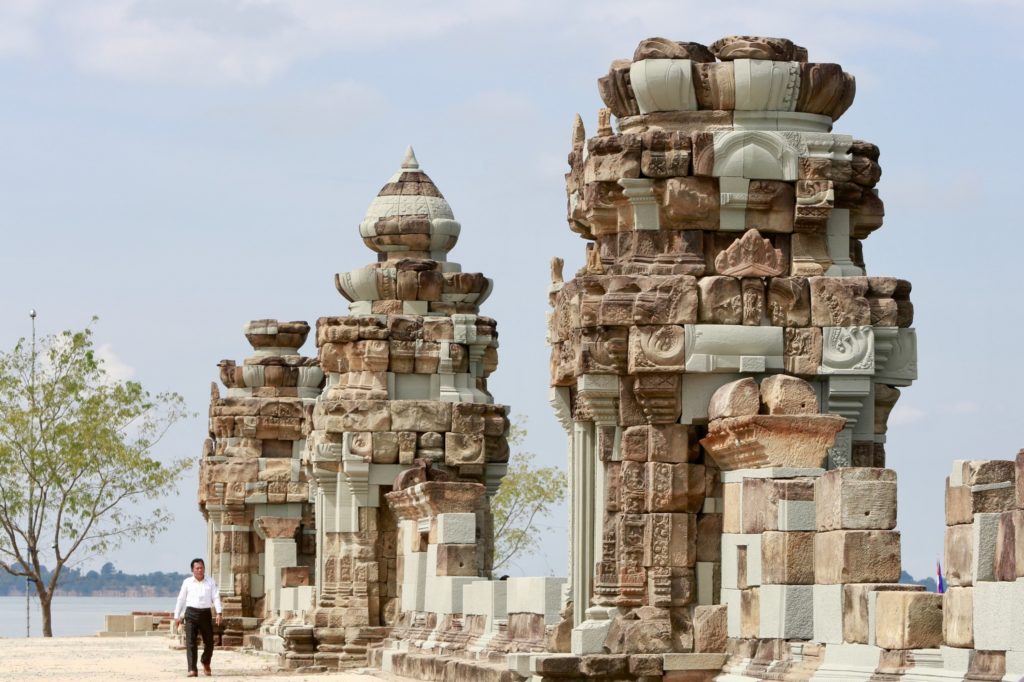
The restoration project, which cost around $12 million, was carried out jointly by Cambodia’s APSARA National Authority and the French government. Years of painstaking conservation work have stabilised the structure and helped recover elements of a site long damaged by time, natural forces and decades of conflict.
Speaking at the ceremony, King Sihamoni said the temple and the surrounding reservoir stood as a powerful reminder of the Khmer civilisation’s ability to shape and manage its environment. He described the restored site as a symbol of successful heritage cooperation between Cambodia and France.
Macron praised the joint efforts of Cambodian and French experts, saying the project demonstrated what could be achieved when knowledge and skills are shared across generations and borders. He also paid tribute to the Cambodian builders whose work has survived for almost a millennium.
For Cambodia’s tourism sector, the reopening offers a new attraction within the UNESCO-listed Angkor Archaeological Park, one of Southeast Asia’s most important cultural destinations. Visitors can reach the temple by a short boat journey across the reservoir, a setting that gives the monument a distinctive atmosphere, particularly at sunset.
The reopening not only restores a landmark of Khmer history but also showcases how international cooperation can help preserve some of the world’s most fragile and valuable heritage sites for future generations.
About the Author