Indonesia’s most populous island is not only home to 150 million people and the bustling capital Jakarta — it also holds some of the world’s most extraordinary cultural treasures.
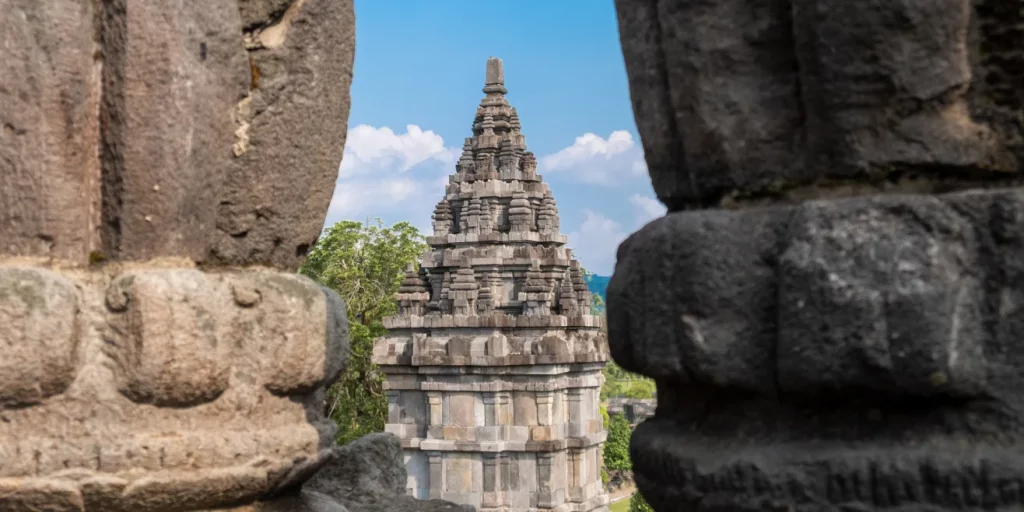
In Yogyakarta, a rare sultanate within a republic, tradition and modernity coexist. The Kraton, or Sultan’s Palace, sits on a cosmological axis between the Indian Ocean and Mount Merapi, symbolising centuries of Javanese heritage. Nearby, the Tamansari water castle blends Dutch and Indonesian styles, now surrounded by a vibrant tourist village of artists and craftspeople.
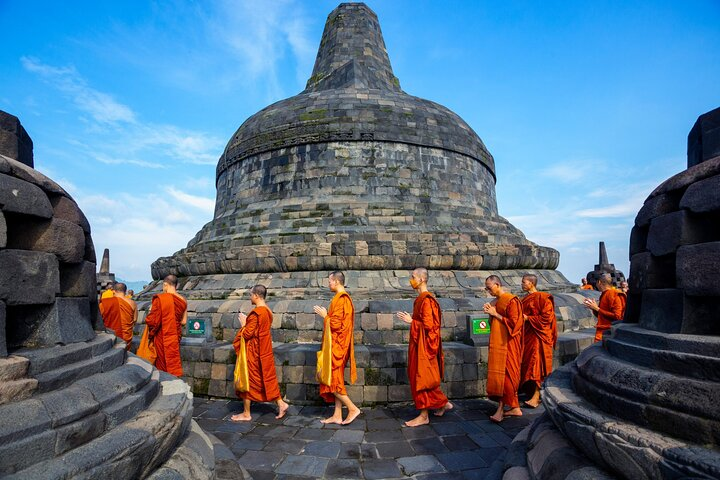
Just outside the city lie two UNESCO World Heritage sites. Borobudur, the monumental 8th‑century Buddhist temple, remains sacred despite centuries of abandonment. Its intricate reliefs narrate the life of the Buddha, while visitors today circle the temple in meditative pradakshina. Many of its treasures were taken abroad, though some are now being repatriated.
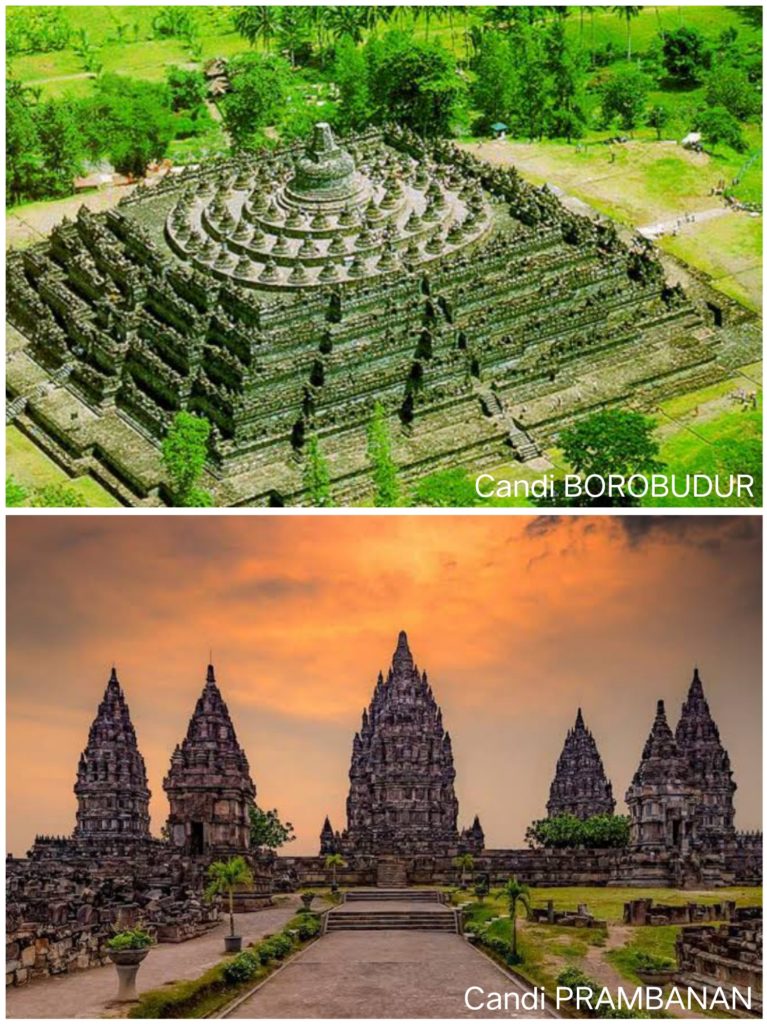
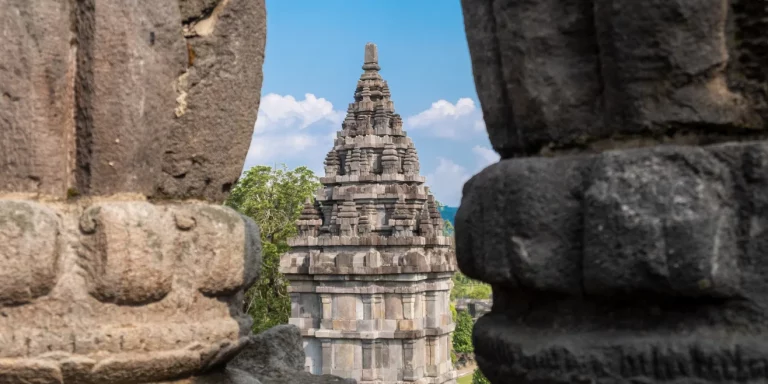
A short drive away, Prambanan showcases Indonesia’s largest Hindu temple complex, with soaring towers dedicated to Shiva, Brahma and Vishnu. Often compared to Angkor Wat, the site features more than 200 shrines across 40 hectares. Once neglected, it is now drawing increasing numbers of visitors, particularly from India’s growing middle class.
Together, Borobudur and Prambanan embody Java’s layered history — Buddhist and Hindu dynasties, Islamic conversion, colonial rule, and modern restoration. Amid the crowds and heat, the sense of spirituality remains palpable. As one local scholar put it, climbing Borobudur still rewards visitors “with a view of the world.”
About the Author