For the first time in its 66‑year history, Delhi’s National Museum opened its doors after dark, offering visitors a rare chance to explore India’s cultural treasures by night. The special walkthrough, held on World Heritage Day, drew more than 50 participants keen to see history in a new light.
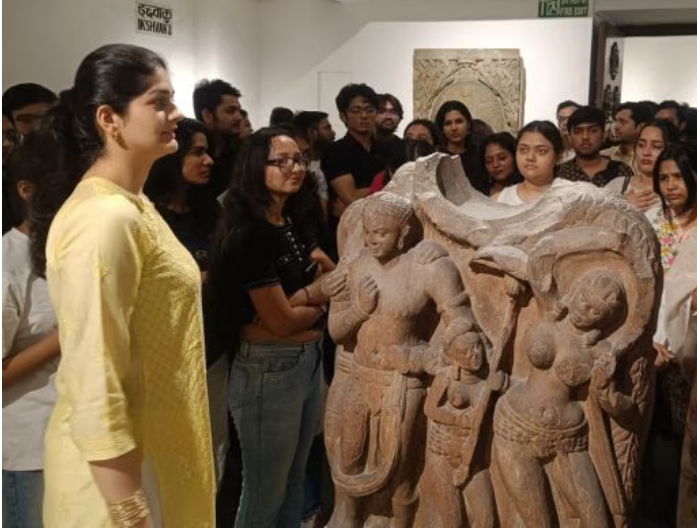
Led by public historians Kudrat Singh and Eric Chopra of the youth platform Itihāsology, the event blended storytelling with sharp questions about preservation and repatriation. Visitors were guided from the Harappan “Dancing Girl” to Gandhara Buddhas and Mughal paintings, tracing how India’s past is layered and shaped by global influences.
At the Harappan gallery, Chopra described the bronze “Dancing Girl” as the museum’s “first diva”, challenging colonial interpretations of the sculpture. Later, he explained how early depictions of the Buddha relied on symbols like footprints and the Bodhi tree before evolving into human forms influenced by Greco‑Roman art.
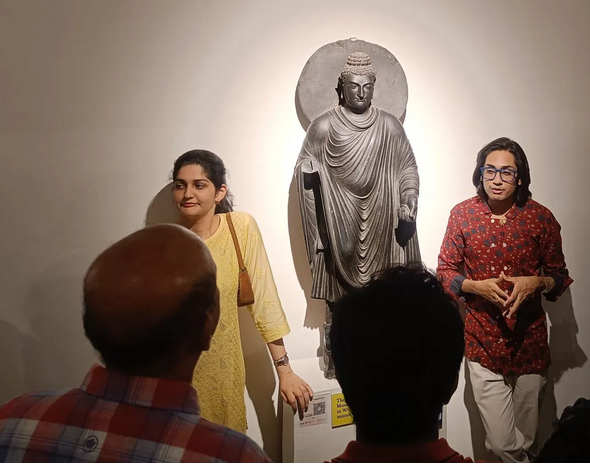
The tour also touched on the afterlife of repatriated artefacts, including a 10th‑century Yogini idol stolen in the 1970s and later returned to India. Chopra argued that while emotions run high over stolen heritage, the deeper challenge lies in infrastructure and education to properly value such legacies.
Mughal history was covered in brief, with a striking example of Emperor Jahangir portrayed holding an image of the Virgin Mary, reflecting the cosmopolitan exchanges at Akbar’s court.
For many, it was their first night inside the museum. “It was extraordinary,” said visitor Prachi Jha. “The walk leaders connected each artefact to a larger perspective.”
As the tour concluded, Chopra reminded the group: “We are inheritors of a multifaceted history. Let’s celebrate it, not turn it into a contest of who’s right or wrong.”
About the Author