South Korea is preparing to showcase one of its most unusual Buddhist sites as Busan gears up to host the 48th session of the UNESCO World Heritage Committee in July. Among the candidates is Unjusa Temple, a sprawling complex in Jeollanam-do Province that defies convention with its eclectic mix of stone Buddhas, pagodas and traces of ancient star worship.
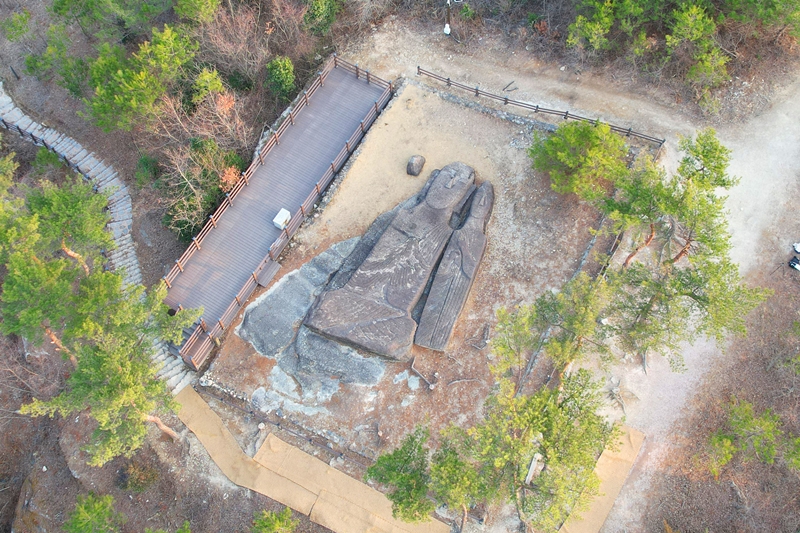
Unlike the formal grandeur of sites such as Bulguksa or Seokguram, Unjusa embraces simplicity and folk humour. Its grounds are dotted with more than 140 pagodas and 115 Buddha statues, many unfinished or oddly proportioned, reflecting provincial craftsmanship from the Goryeo era. The temple’s most striking feature is a colossal reclining Buddha, 12 metres long, said in legend to herald a new world when it rises.
What makes Unjusa exceptional is its inclusiveness. Alongside Buddhist imagery, rocks shaped like the Big Dipper point to Daoist and celestial beliefs woven into the site. This blending of traditions is rare even in East Asia, giving the temple high cultural and academic value. Scholars note that Unjusa also preserves evidence of the full production process of Buddhist art, from quarrying to transport, offering a rare glimpse into practices a thousand years old.
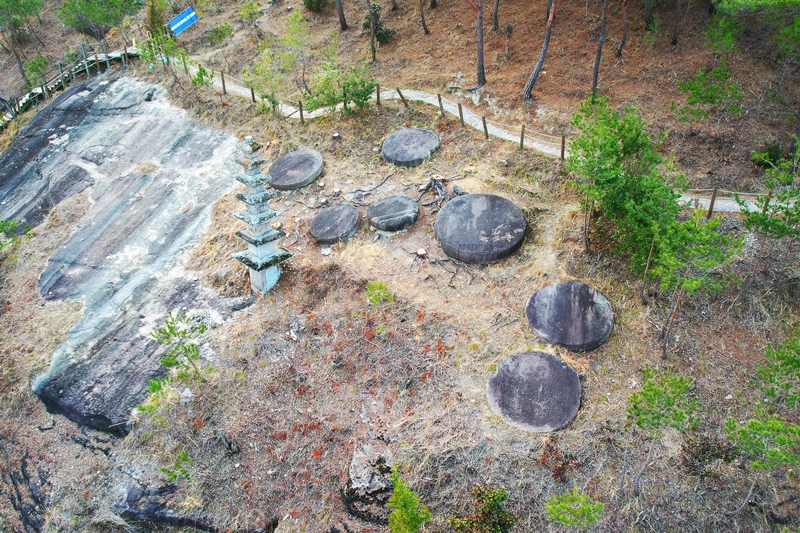
The temple’s layout maximises its natural terrain, with statues and pagodas aligned along ridgelines of a gentle valley. Though its origins remain uncertain, historians believe Unjusa flourished during the Goryeo Dynasty before suffering destruction in the late 16th century. Reconstruction began in the 19th century, with restorations continuing into the modern era.
Today, Unjusa stands as a living testament to Korea’s diverse spiritual heritage. Its unconventional forms and layered beliefs set it apart from other temples, strengthening its case for World Heritage recognition. As UNESCO prepares to deliberate, Unjusa offers a reminder that heritage is not only about grandeur but also about the everyday creativity and aspirations of people across centuries.
About the Author