A Mumbai museum has achieved a remarkable feat of historical detective work, digitally reconstructing a long-lost Buddhist monument in present-day Pakistan using little more than colonial diaries, excavation notes and scattered artefacts.
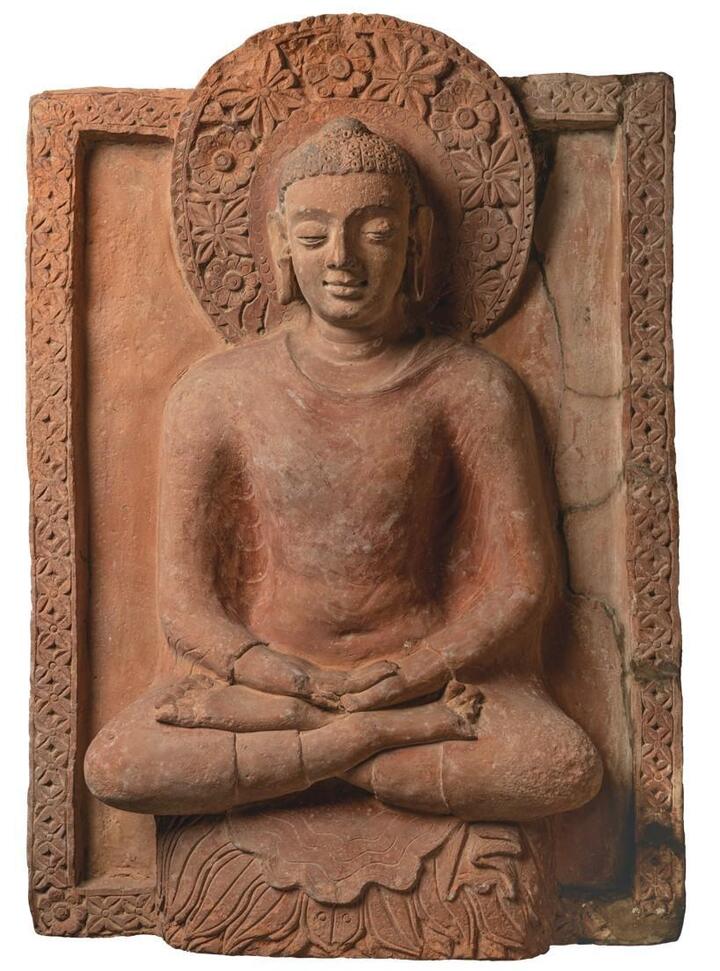
The project centres on Kahu-jo-daro, a fifth-century Buddhist monastic complex near Mirpurkhas in Sindh. Once an important religious and trading centre, the site was largely destroyed more than a century ago, with many of its ancient bricks crushed for use in railway construction during the British colonial era.
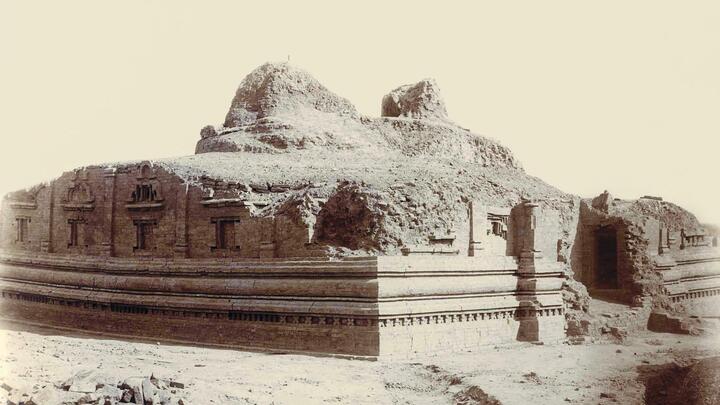
Now, Mumbai’s Chhatrapati Shivaji Maharaj Vastu Sangrahalaya (CSMVS) has published Kahu-jo-daro: Buddhist Stupa, a new volume documenting and analysing surviving objects from the site. The publication brings together decades of research and makes the collection available to scholars worldwide.
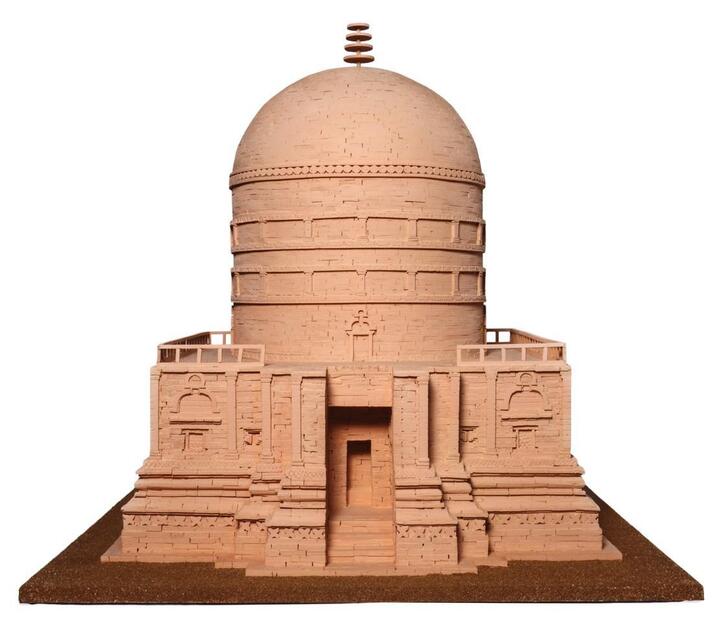
The story of Kahu-jo-daro is one of both loss and survival. Covering around 12 hectares, the complex stood on key trade routes linking the Indus region to western India. Yet in the 1890s, contractors building the Hyderabad-Umarkot railway dismantled large sections of the ancient mound, treating its historic bricks as construction material.
By the time archaeologist Sir Henry Cousens began excavations in 1909, much of the damage had already been done. Even so, he recovered important remains, including terracotta sculptures, carved bricks and parts of a Buddhist stupa. Many of these objects eventually found their way to Mumbai, while others were dispersed to museums and collections elsewhere.
For CSMVS director general Sabyasachi Mukherjee, reconstructing the monument presented a unique challenge. Modern political borders made field visits impossible, forcing researchers to rely on nineteenth-century records, excavation plans and comparisons with other Buddhist sites across Sindh.
Piece by piece, the team recreated a vision of the monument as it may have appeared 1,500 years ago: a towering brick stupa perhaps reaching 20 metres in height and attracting pilgrims from across the region.
The project also highlights the cultural exchanges that once flourished across South Asia. The site’s terracotta art blends influences from Gandharan, Kushana and Gupta traditions, reflecting an era when ideas and artistic styles travelled freely along ancient trade networks.
Although little remains visible at Mirpurkhas today, the reconstruction offers a powerful reminder that cultural heritage can transcend modern borders, reconnecting fragments of a shared past that history and politics have long kept apart.
About the Author