Weathered by a millennium of wind and rain, the Usuki Stone Buddhas in Ōita Prefecture remain among Japan’s most treasured cultural landmarks. Carved directly into volcanic rock during the late Heian to early Kamakura periods, the 61 figures scattered across a hillside have all been designated national treasures for their refined artistry and spiritual presence.
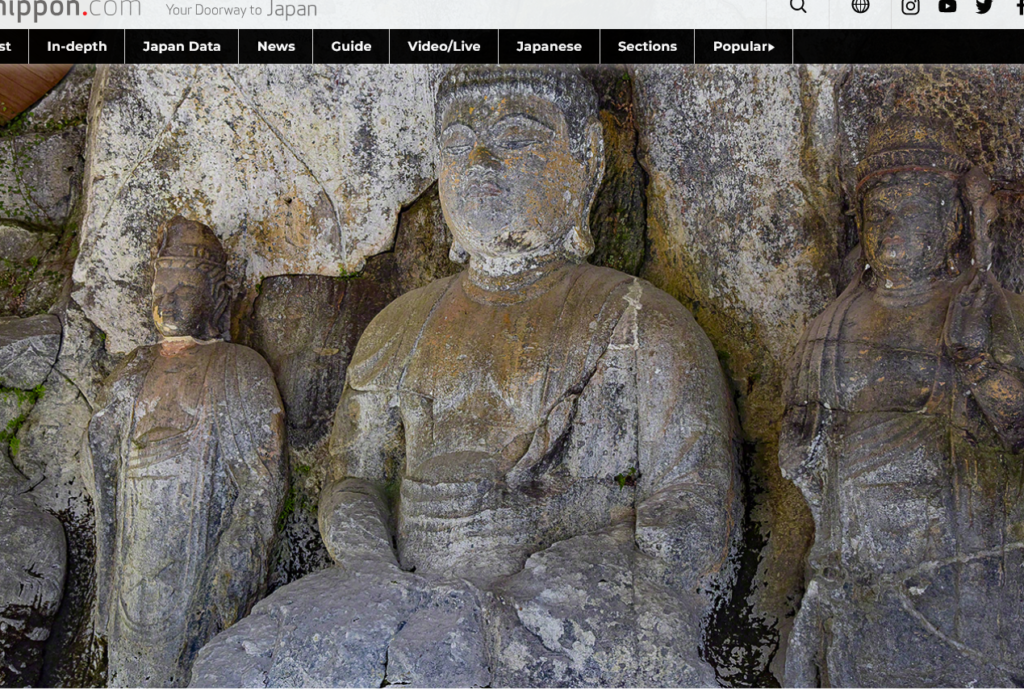
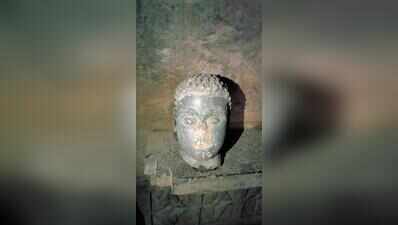
The most celebrated of the group is the Dainichi Nyorai, a 2.8‑metre seated figure at the heart of the Furuzono cluster. Once vividly painted, faint traces of pigment still hint at its original splendour. Yet for centuries, the statue stood headless: its head toppled in the Edo period and lay at its base, a haunting image captured by photographer Domon Ken in his acclaimed work A Pilgrimage to Ancient Temples.
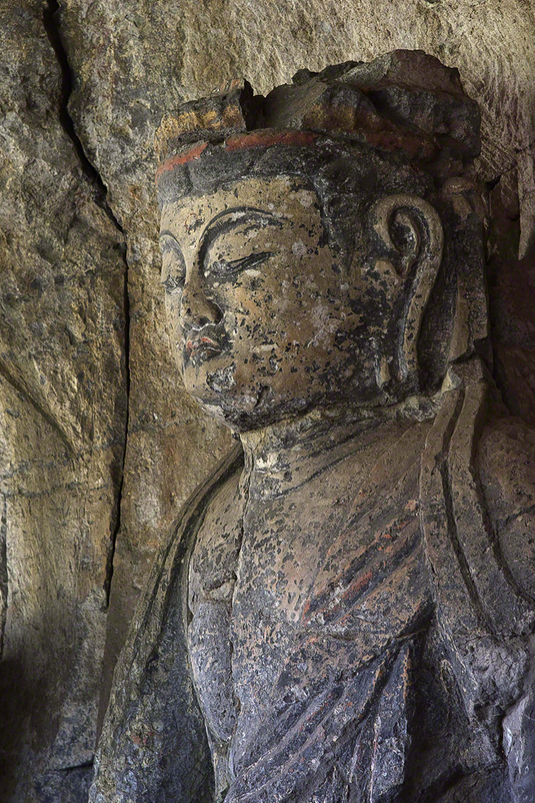
When restoration began in the 1980s, experts debated whether to leave the fallen head untouched as part of the statue’s history. Ultimately, it was reattached to secure national treasure status, and a protective roof was added. For some, the restored figure felt unfamiliar, but its downward gaze continues to invite reverence.
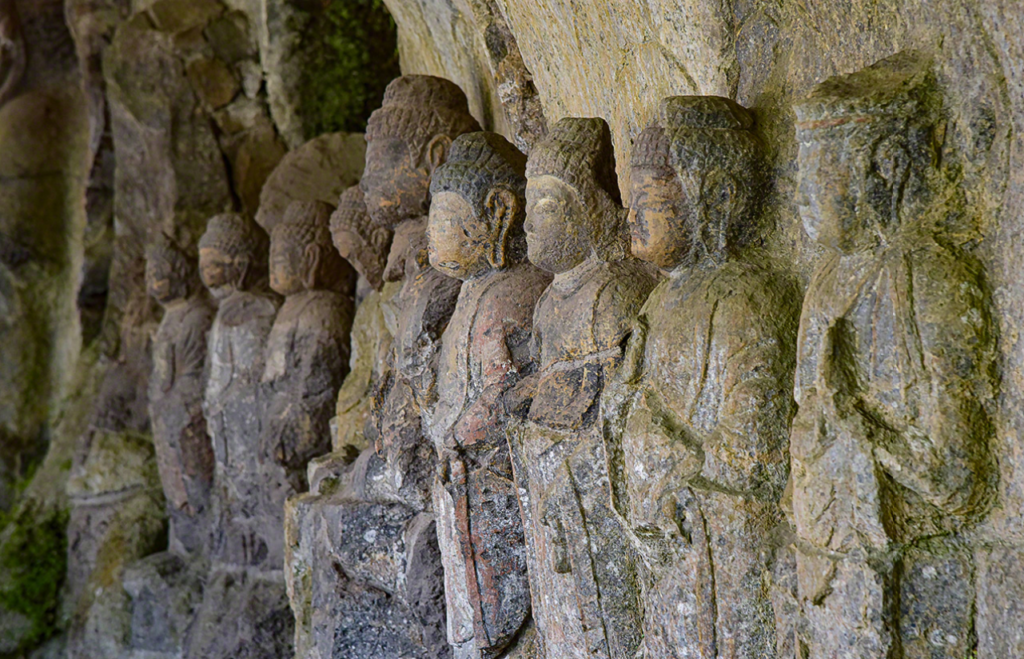
Ōita’s concentration of magaibutsu—around 400 cliff‑carved Buddhas, or 70% of Japan’s total—reflects both the region’s Buddhist heritage and its geology, shaped by a massive volcanic eruption 90,000 years ago. The Usuki figures, with their delicate carving and serene expressions, offer a rare glimpse into the spiritual landscape of medieval Japan.
Today, visitors look up at the Dainichi Nyorai with renewed awe, reminded that even after centuries of decay and debate, the compassion etched into stone endures.
About the Author